Vishnu Desam
The abodes of Vishnu across the whole of Bharat, crowned by the 108 Divya Desams sung by the twelve Alvars.
21 TemplesVishnu is the all-pervading: the ancient Vedic glossary of Yaska, the Nirukta, reads the name as 'one who enters everywhere'. His worship is spread the length and breadth of Bharat rather than gathered in any one region — Narayana asleep upon the serpent, Hari the preserver of the created order, and the avatars who descend age after age whenever dharma falters, each served under a hundred names and forms. The Vishnu Purana, the tradition's own scripture, is the very text that names this land: the country that lies north of the ocean and south of the snowy mountains is Bharata, it says, the land of works, from which men go to heaven or obtain liberation. The temples of this tradition trace exactly that span — Uttarakhand and Uttar Pradesh, Gujarat and Maharashtra, Odisha, Andhra Pradesh, Tamil Nadu and Kerala.
The crown of that geography is the 108 Divya Desams — 'divine places' — the abodes praised in the Nalayira Divya Prabandham, the four thousand Tamil verses of the twelve Alvars, the poet-saints who carried Vaishnava devotion through the early medieval centuries and whose canon Nathamuni gathered as the Dravida Veda, a Veda in Tamil. A shrine enters that list in only one way: through mangalasasanam, an Alvar's sung benediction upon the deity of that place, and no temple has been added since the age of the saints. Of the 108, one hundred and six stand on earth and two beyond it — Tirupparkadal, the ocean of milk, and Paramapadam, Vaikuntha itself. Eighty-four of the earthly abodes lie in Tamil Nadu and eleven in Kerala; the rest run north through Andhra Pradesh, Uttar Pradesh, Uttarakhand and Gujarat to Muktinath in the Nepal Himalaya.
What the Alvars sang, the acharyas set in order. Ramanuja (traditionally 1017–1137), seated at Srirangam, gave Vishishtadvaita — qualified non-dualism — its classic statement in the Sri Bhashya, his commentary on the Brahma Sutras; Madhvacharya, who founded the Krishna Matha at Udupi in 1285, argued the unqualified difference of Dvaita; Vallabhacharya (1478–1530) taught Shuddhadvaita and set the service of Shrinathji on Govardhan at the heart of his Pushtimarg; and Chaitanya Mahaprabhu (1486–1534), who made Puri his home for his last two decades, turned devotion into sankirtana, the congregational singing of the Name. In Maharashtra the same current runs through the Warkari sant parampara — Sant Dnyaneshwar, whose Dnyaneshwari opened the Bhagavad Gita in Marathi, and after him Sant Namdev, Sant Eknath and Sant Tukaram — whose lakhs of pilgrims still walk each Ashadha to Vitthal at Pandharpur.
The Pilgrimage Circuit
Tradition groups the 108 Divya Desams into six regions — Chola Nadu (40), Thondai Nadu (22), Pandya Nadu (18), Malai Nadu (13), Vada Nadu (11) and Nadu Nadu (2), besides the two that lie beyond the earth. The abodes of Vishnu gathered on MereMandir run from the Himalaya to the Deccan and both coasts, and more join them as the research completes. Among them are Divya Desams sung by the Alvars — Badrinath, Dwarka, Tirumala, Srirangam and Thiruvananthapuram, with the two janmabhoomis, Ayodhya and Mathura, whose place in the Alvars' list belongs to Shri Krishna Janmabhoomi — and shrines as great that lie outside that list: Jagannath at Puri, where Chaitanya spent his last years, and Vitthal at Pandharpur, the Warkaris' Bhu-Vaikuntha. Braj itself, the land of Krishna's childhood around Mathura, keeps its own: Dwarkadhish in the old city and Gokulnath Ji across the Yamuna, both served in Vallabhacharya's Pushtimarg; Banke Bihari of Nidhivan in Vrindavan; and Rangji, which carried Srirangam's Sri Vaishnava usage north into the Yamuna plain. They are walked together as the Braj yatra.
Vishnu Desam Temples
See all on the map →A hand-researched beginning, not a full count — more great temples of this tradition are added as our research completes.
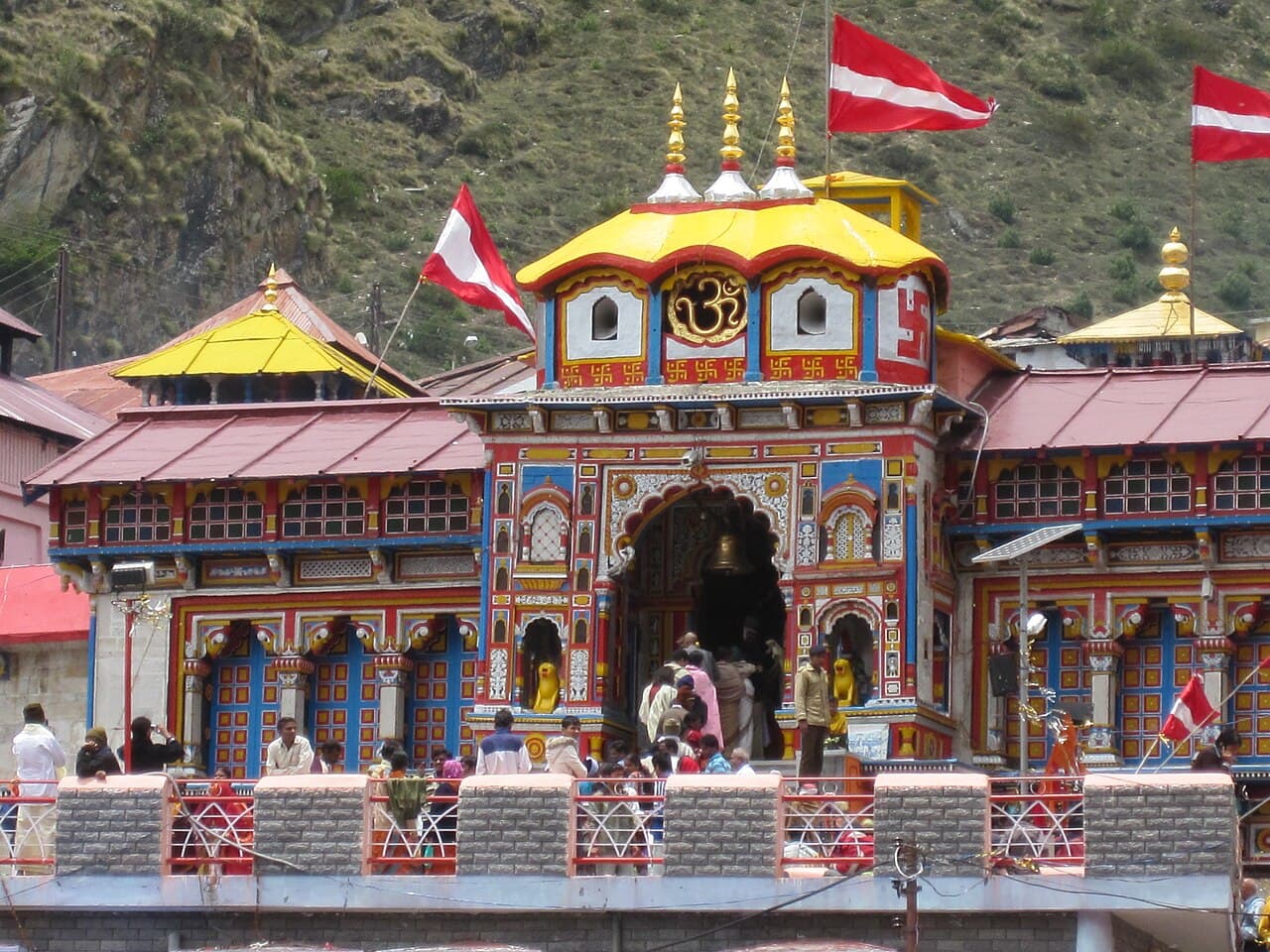
Badrinath
Chamoli, Uttarakhand
Vishnu as Badrinarayan in the high Himalaya — the northern seat of the Char Dham, on the Alaknanda between the Nar and Narayan peaks.
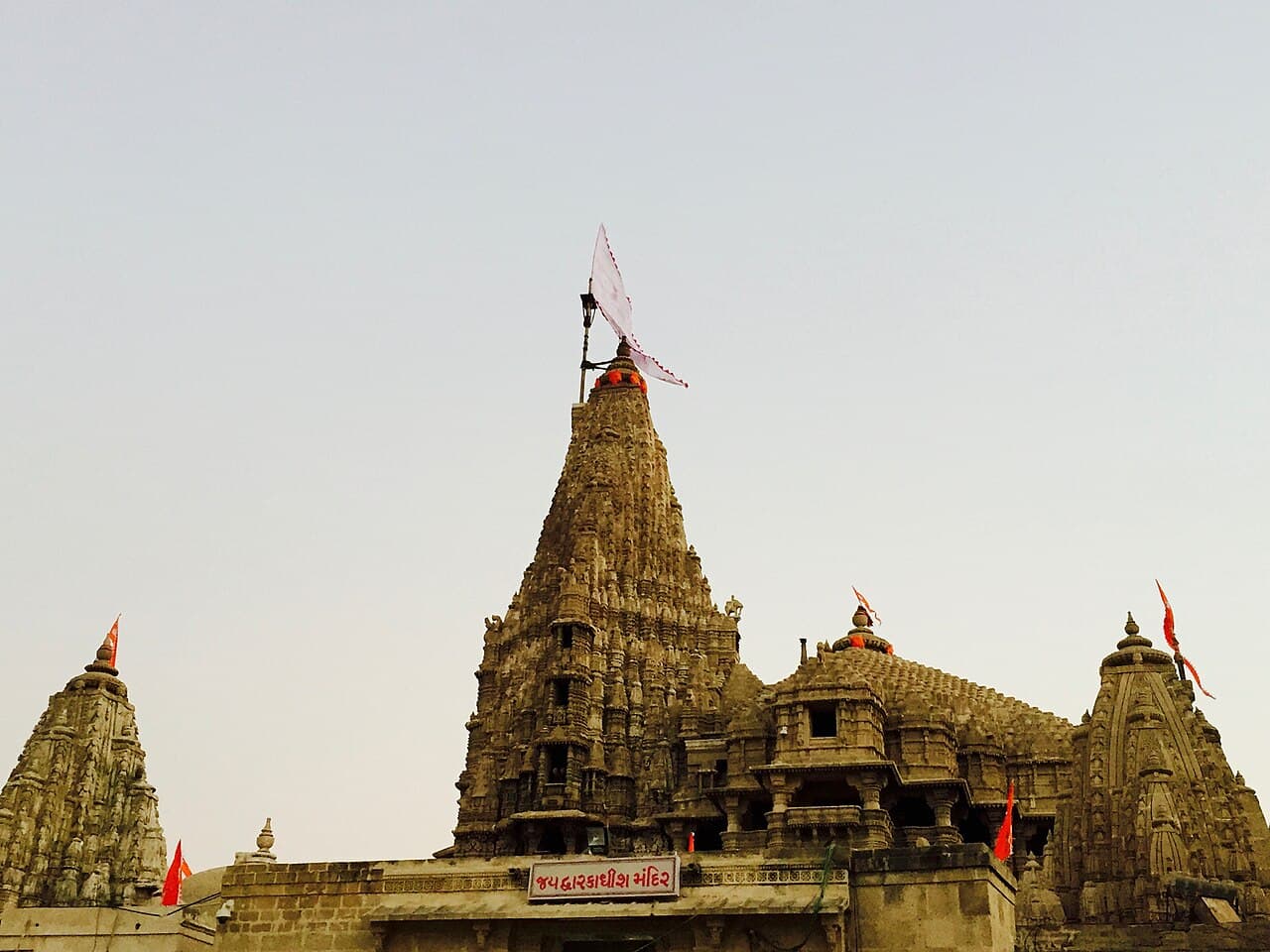
Dwarkadhish
Dwarka, Gujarat
Krishna's fabled sea-kingdom of Dwarka — the western seat of the Char Dham, rising in five storeys above the Gomti.
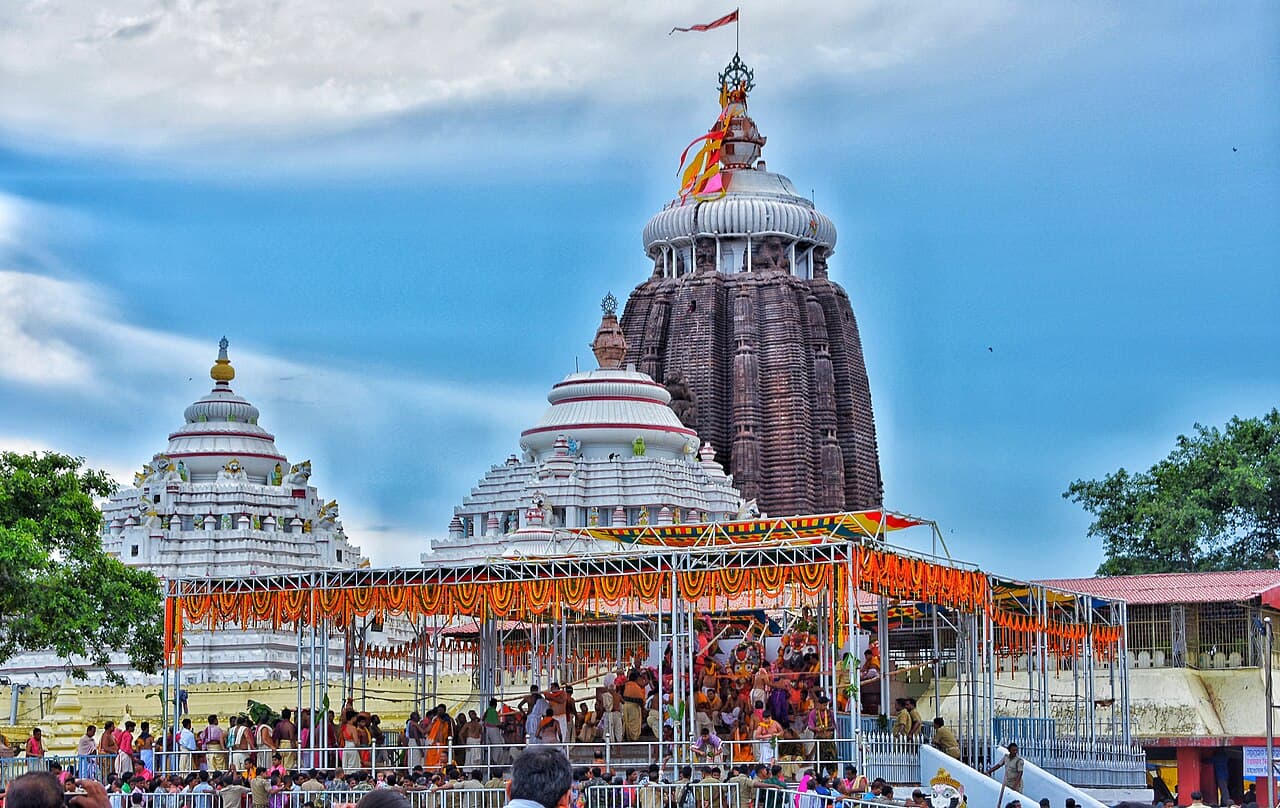
Jagannath Puri
Puri, Odisha
Lord Jagannath of Puri — the eastern seat of the Char Dham, famed for the world's grandest Rath Yatra.

Shri Ram Janmabhoomi (Ram Lalla)
Ayodhya, Uttar Pradesh
The grand new temple over Rama's birthplace on the Sarayu — consecrated in January 2024, where the Lord is worshipped as the child Ram Lalla.

Shri Krishna Janmabhoomi
Mathura, Uttar Pradesh
The temple complex over the prison cell in Mathura where Krishna was born at midnight — the heart of Braj and one of the holiest grounds of the Vaishnava world.

Venkateswara Swamy, Tirumala
Tirumala, Tirupati, Andhra Pradesh
Vishnu as Venkateswara on the seventh of the Seshachalam hills — the Kali Yuga Vaikuntha, and the most visited shrine on earth.

Ranganathaswamy, Srirangam
Srirangam, Tiruchirappalli, Tamil Nadu
The foremost of the 108 Divya Desams — Ranganatha asleep upon his serpent inside seven walled enclosures, the largest functioning Hindu temple complex on earth.

Sree Padmanabhaswamy
Thiruvananthapuram, Kerala
Vishnu asleep on the serpent Adisesha in the city that carries his name — an eighteen-foot Padmanabha seen not at once, but through three separate doors.

Guruvayur Sri Krishna (Guruvayurappan)
Guruvayur, Thrissur, Kerala
Vishnu standing four-armed in a Kerala sanctum and loved as a small boy — the Bhuloka Vaikuntha where Melpathur sang the Narayaniyam and the Ekadasi night belongs to music.

Varadaraja Perumal, Kanchipuram
Kanchipuram, Tamil Nadu
Vishnu as Varadaraja on the elephant-hill of Hastagiri — the shrine Sri Vaishnavas call simply Perumal Koil, whose fig-wood deity rises from its tank once in forty years.

Parthasarathy, Triplicane
Triplicane (Thiruvallikeni), Chennai, Tamil Nadu
A Divya Desam in the heart of old Madras — Krishna as Arjuna's charioteer, moustached and weaponless, his face still marked by the arrows he took for the friend he drove.

Vitthal Rukmini, Pandharpur
Pandharpur, Maharashtra
Vishnu as Vitthal, standing arms-akimbo on Pundalik's brick beside the Chandrabhaga — the heart of Maharashtra's Warkari faith, where every Ashadhi the walking pilgrimage of a whole people comes home.
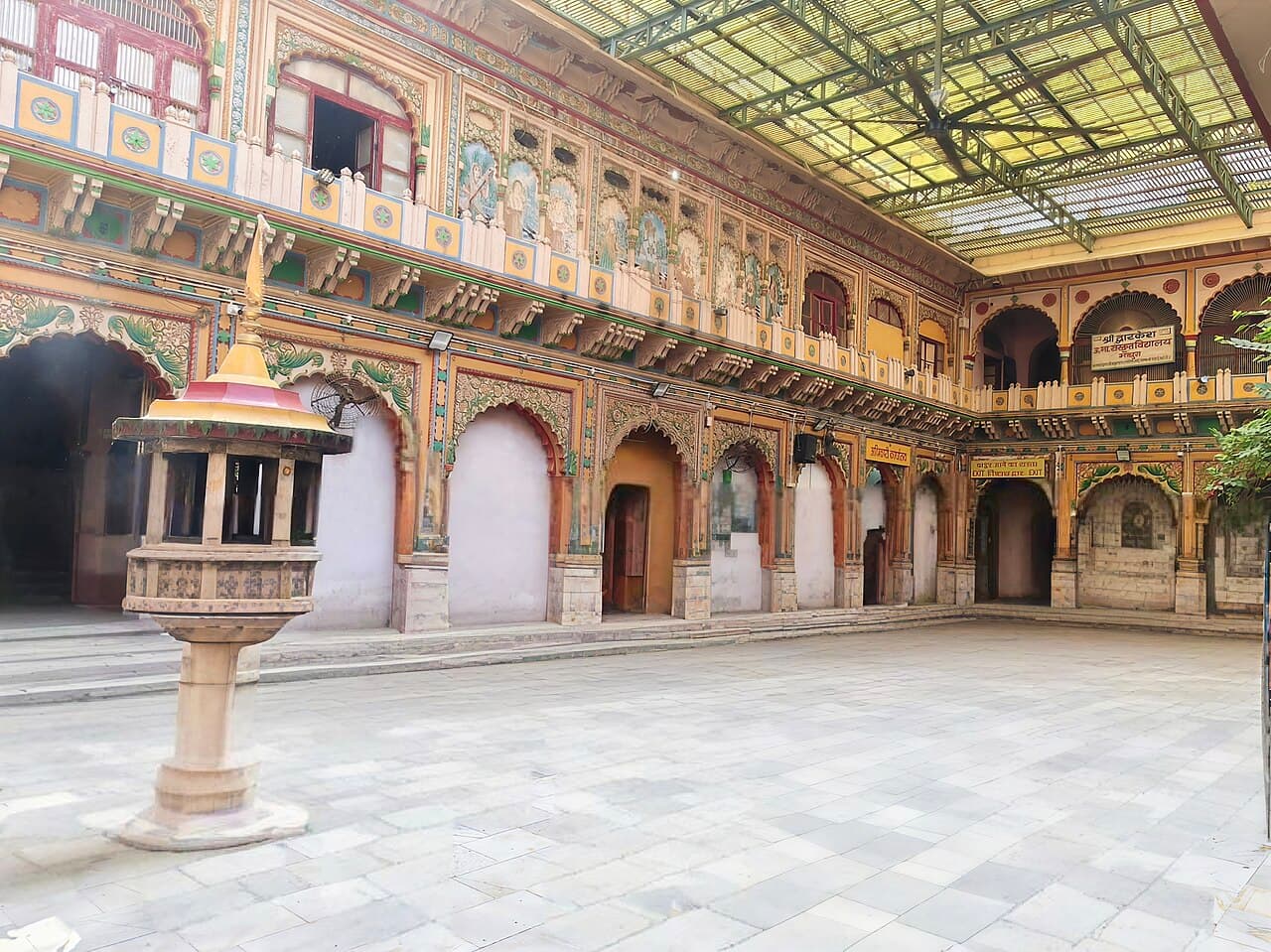
Shri Dwarkadhish, Mathura
Mathura, Uttar Pradesh
Krishna kept as a king in a merchant's mansion — the Pushtimarg haveli above Mathura's Vishram Ghat, where the doors open eight times a day and not once between.
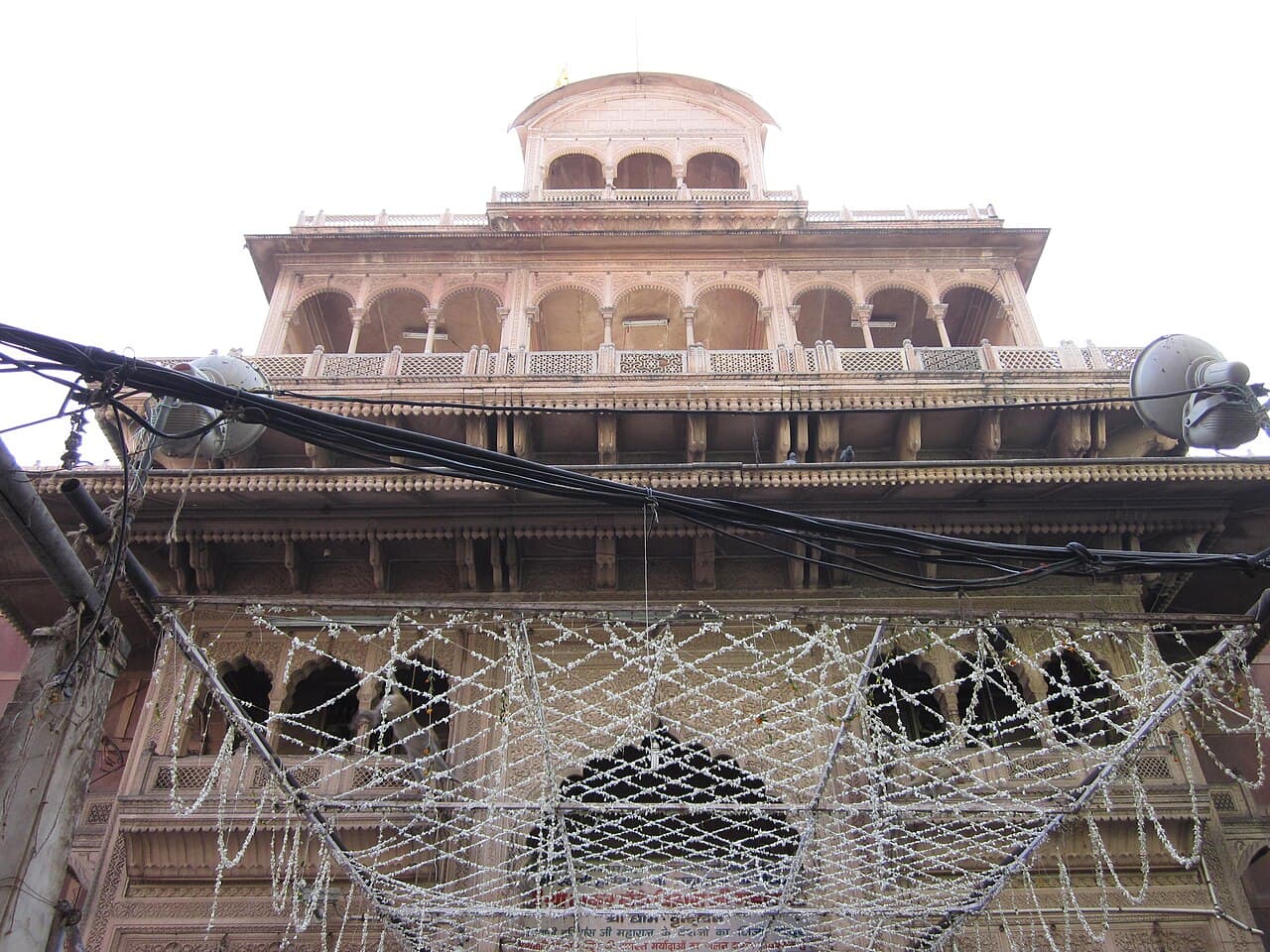
Shri Banke Bihari Mandir, Vrindavan
Vrindavan, Mathura, Uttar Pradesh
Krishna as Banke Bihari, revealed to Swami Haridas in the grove of Nidhivan — where the curtain closes every few minutes, no bell is ever rung, and the Mangala aarti comes once a year.
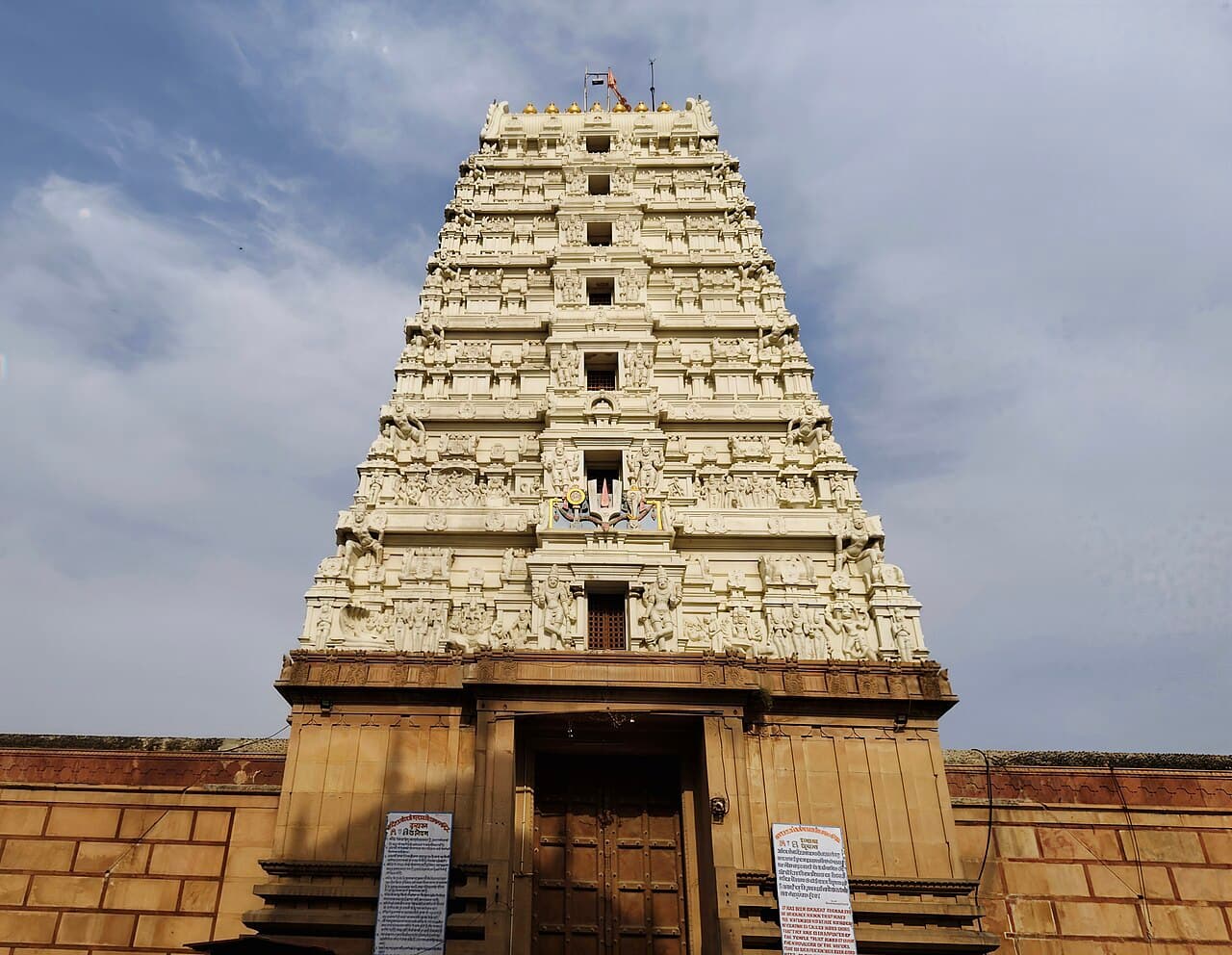
Shri Rangji (Ranganatha), Vrindavan
Vrindavan, Mathura, Uttar Pradesh
A seven-storey Dravidian gopuram and a fifty-foot gilded flagstaff in the middle of Braj — Ranganatha of the South brought north in 1851 to keep Andal's wish to live at Krishna's feet in Vrindavan.
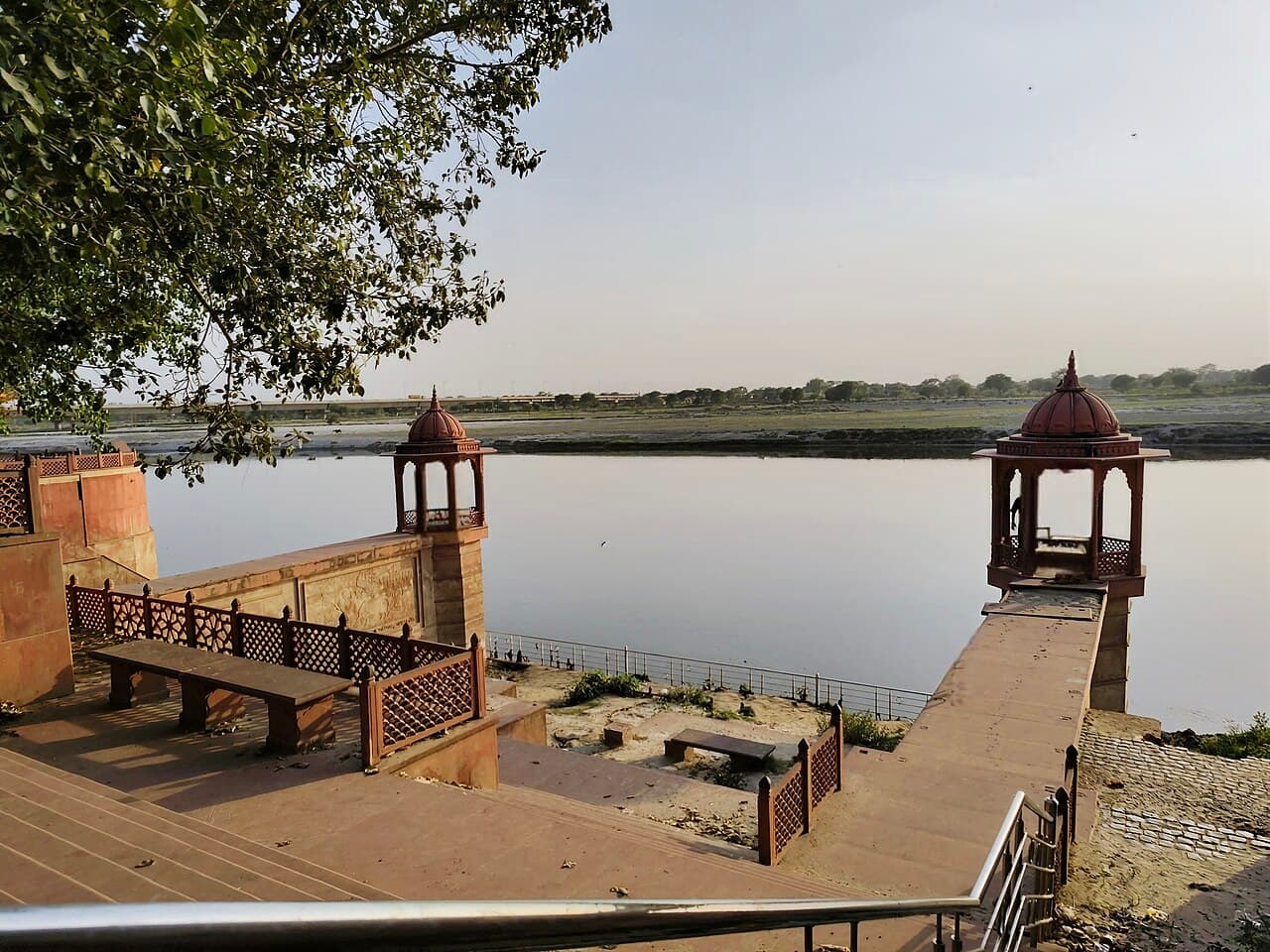
Shri Gokulnath Ji, Gokul
Gokul, Mathura, Uttar Pradesh
The haveli of Gokulnath Ji in the lanes of Gokul — principal shrine of the town Krishna was carried to the night he was born, seat of the fourth house of Vallabhacharya's Pushtimarg, hearth of the infancy leelas.

Udupi Sri Krishna Matha
Udupi, Karnataka
Krishna as a small boy of Dwarka, raised from a lump of sacred clay by Madhvacharya — and given, to this day, only through the window Kanakadasa's singing opened.

Khatu Shyam Ji, Khatu
Khatu, Sikar, Rajasthan
Barbarika, Ghatotkacha's son, who gave Shri Krishna his sheesh before Kurukshetra and received the Lord's own name in return — Shyam, Haare ka Sahara, the refuge of the defeated, enthroned in marble at Khatu.

Shri Govind Dev Ji, Jaipur
Jaipur, Rajasthan
Krishna as Govind Dev, in the image tradition ascribes to Bajranabh's own hand — carried out of Braj in the Aurangzeb era and enthroned by Sawai Jai Singh II as Jaipur's true sovereign, whose court sits seven times a day beside the City Palace.

Sita Ramachandraswamy, Bhadrachalam
Bhadrachalam, Bhadradri Kothagudem, Telangana
Rama enthroned as Vaikuntha Rama — four-armed, conch and discus in his upper hands — with Sita upon his knee and Lakshmana at his side, on the Godavari hill that is the devotee Bhadra himself.

Shri Kalaram Mandir, Panchavati
Panchavati, Nashik, Maharashtra
The black Rama of Panchavati — Rama, Sita and Lakshmana in dark stone on the Godavari at Nashik, on ground the Ramayana remembers as the forest of the exile years.
Frequently Asked Questions
What is a Divya Desam?+
A Divya Desam ('divine place') is one of the 108 abodes of Vishnu praised in the Nalayira Divya Prabandham, the four-thousand-verse Tamil hymnal of the twelve Alvars. A shrine belongs to the list only through mangalasasanam — an Alvar's sung benediction upon the deity there — so the count has been closed since the age of the saints. One hundred and six are on earth and two beyond it: Tirupparkadal, the ocean of milk, and Paramapadam, Vaikuntha. Srirangam is counted the foremost, sung by eleven of the twelve Alvars in 247 verses and called Bhooloka Vaikuntam, 'Vaikuntha on earth'.
Who were the Alvars?+
The Alvars were twelve poet-saints of Vishnu whose Tamil hymns carried Vaishnava devotion through the early medieval centuries — Andal the only woman among them, and Madhurakavi the one who sang of no deity at all, only of his guru Nammalvar. Nathamuni (traditionally 824–924 CE) gathered their four thousand verses into the Nalayira Divya Prabandham and gave the collection the standing of a Dravida Veda, a Veda in Tamil. Singing of Ayodhya, Mathura, Dwarka and Badrinath from the far south, they bound the whole of Bharat into one Vaishnava geography.
Which acharyas shaped the worship of Vishnu?+
Ramanuja (traditionally 1017–1137) of Srirangam expounded Vishishtadvaita, qualified non-dualism, in the Sri Bhashya on the Brahma Sutras. Madhvacharya, who established the Krishna Matha at Udupi in 1285, taught Dvaita — an eternal difference between the soul and Vishnu. Vallabhacharya (1478–1530) taught Shuddhadvaita and founded the Pushtimarg around the service of Shrinathji on Govardhan. Chaitanya Mahaprabhu (1486–1534), settled at Puri, made sankirtana — the congregational chanting of the Name — the practice of the age, and the Gaudiya tradition follows him. In Maharashtra the the Warkari parampara's Sant Dnyaneshwar, Sant Namdev, Sant Eknath and Sant Tukaram carried the same devotion in Marathi song.
Which are the greatest Vishnu temples of Bharat?+
They stand in every direction: Badrinath in the Uttarakhand Himalaya, Dwarka on the coast of Gujarat, Krishna's Mathura and Rama's Ayodhya in Uttar Pradesh, Jagannath at Puri in Odisha, Vitthal at Pandharpur in Maharashtra, Venkateswara at Tirumala in Andhra Pradesh, Ranganatha at Srirangam in Tamil Nadu and Ananta Padmanabha at Thiruvananthapuram in Kerala. Seven of the nine are Divya Desams; Puri belongs to the Char Dham and Pandharpur to the Warkari wari. And in Braj itself, the temples of Krishna's own leela — Banke Bihari of Vrindavan foremost among them — carry the same devotion.