
Temples in Maharashtra
16 Temples*
A hand-researched beginning, not a full count — more great temples of this state are added as our research completes.
Maharashtra holds one of the densest concentrations of living pilgrimage traditions in Bharat. At its heart is the Ashtavinayaka yatra — eight svayambhu (self-manifested) Ganesha temples ringed around Pune: Mayureshwar at Morgaon, Siddhivinayak at Siddhatek, Ballaleshwar at Pali, Varadvinayak at Mahad, Chintamani at Theur, Girijatmaj at Lenyadri, Vighnahar at Ozar and Mahaganapati at Ranjangaon. Girijatmaj sits carved into a Buddhist-era cave hill, Ballaleshwar is the only Ganesha temple named after a devotee, and the circuit as a whole was nurtured under Peshwa patronage in the eighteenth century.
Shiva, Devi and Vitthal complete the picture. Three of the twelve Jyotirlingas stand here: Bhimashankar amid the forested Sahyadris, Trimbakeshwar at the source of the Godavari near Nashik, and Grishneshwar beside the Ellora caves — traditionally counted as the twelfth and final Jyotirlinga. In the south, Mahalakshmi (Ambabai) of Kolhapur is revered as a Shakti Peetha, where the setting sun's rays fall directly on the deity during Kiranotsav each year, and north of Nashik the eighteen-armed Saptashringi Nivasini keeps her seven-peaked gad above Vani; at Pandharpur on the Bhima, Vitthal stands on his brick for the Warkaris. The geography travels well: the eight Ashtavinayaka temples and Bhimashankar radiate from Pune, Trimbakeshwar and Saptashringi are both easy runs from Nashik, Grishneshwar pairs naturally with an Ellora visit from Chhatrapati Sambhajinagar (Aurangabad), and Kolhapur and Pandharpur anchor a southern leg — so most pilgrims cover Maharashtra's fourteen in three or four unhurried trips.
Jyotirlinga
New to this tradition? Read the overview →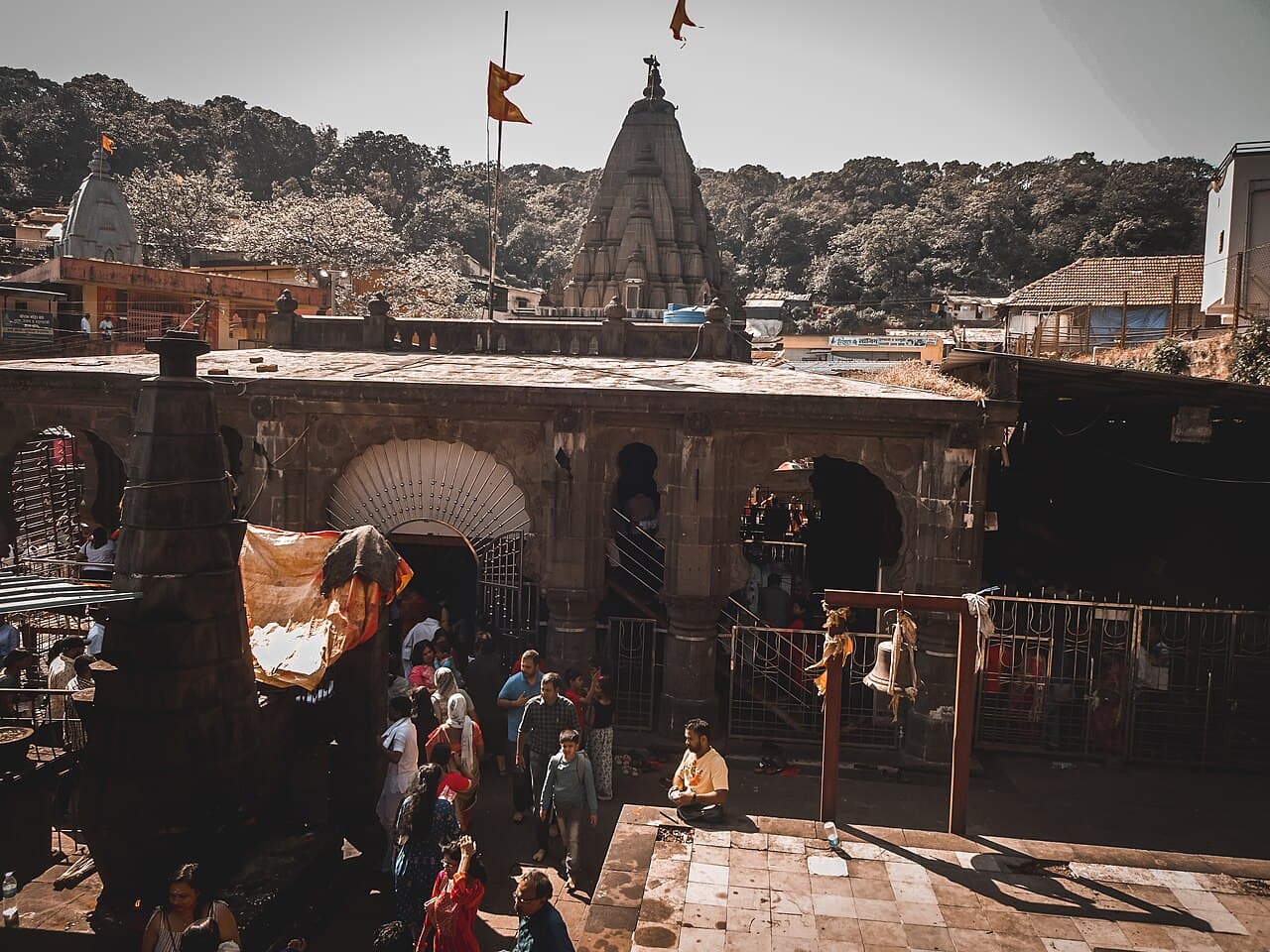
Bhimashankar
Pune district, Maharashtra
A forest Jyotirlinga in the Sahyadris — source of the Bhima river and home of the rare Indian giant squirrel.
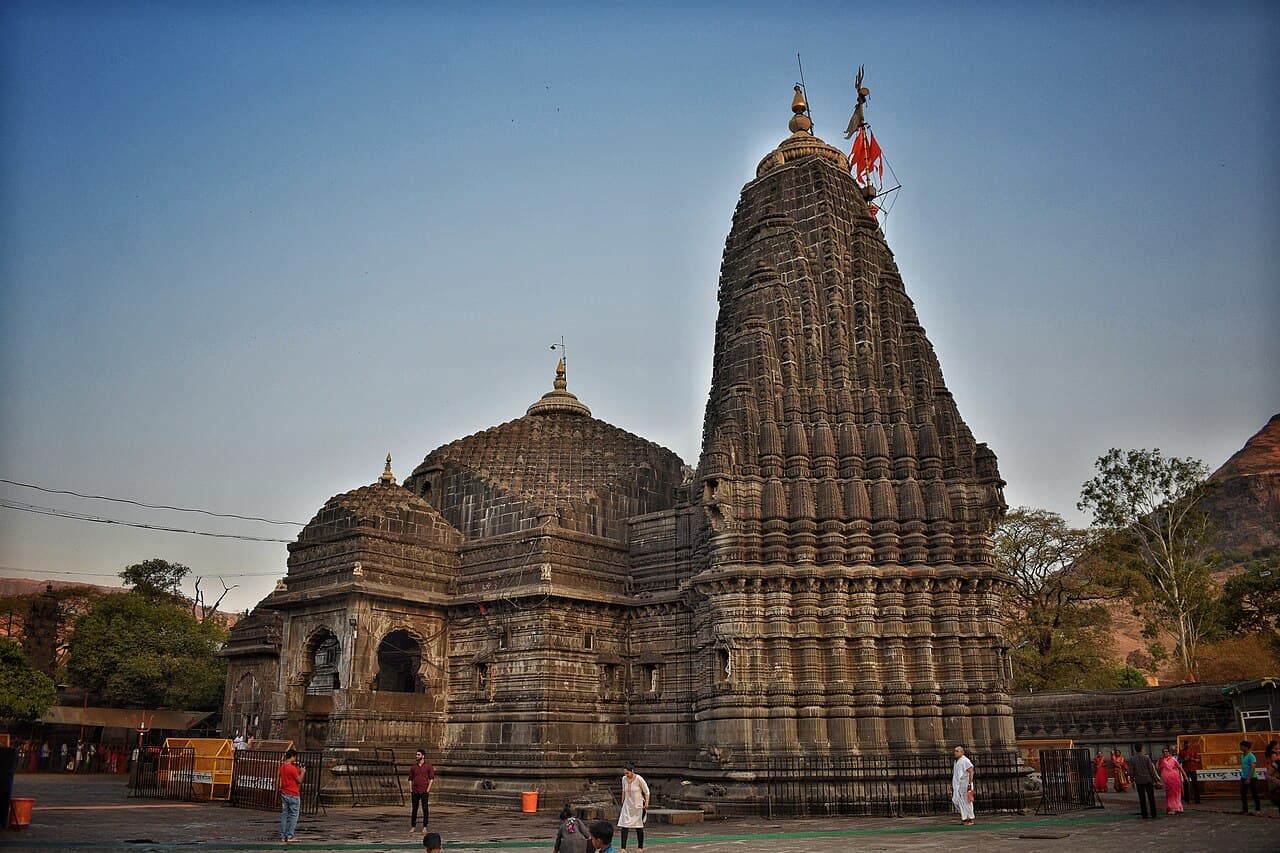
Trimbakeshwar
Nashik, Maharashtra
The three-faced lingam at the source of the Godavari, beneath the Brahmagiri hill near Nashik.
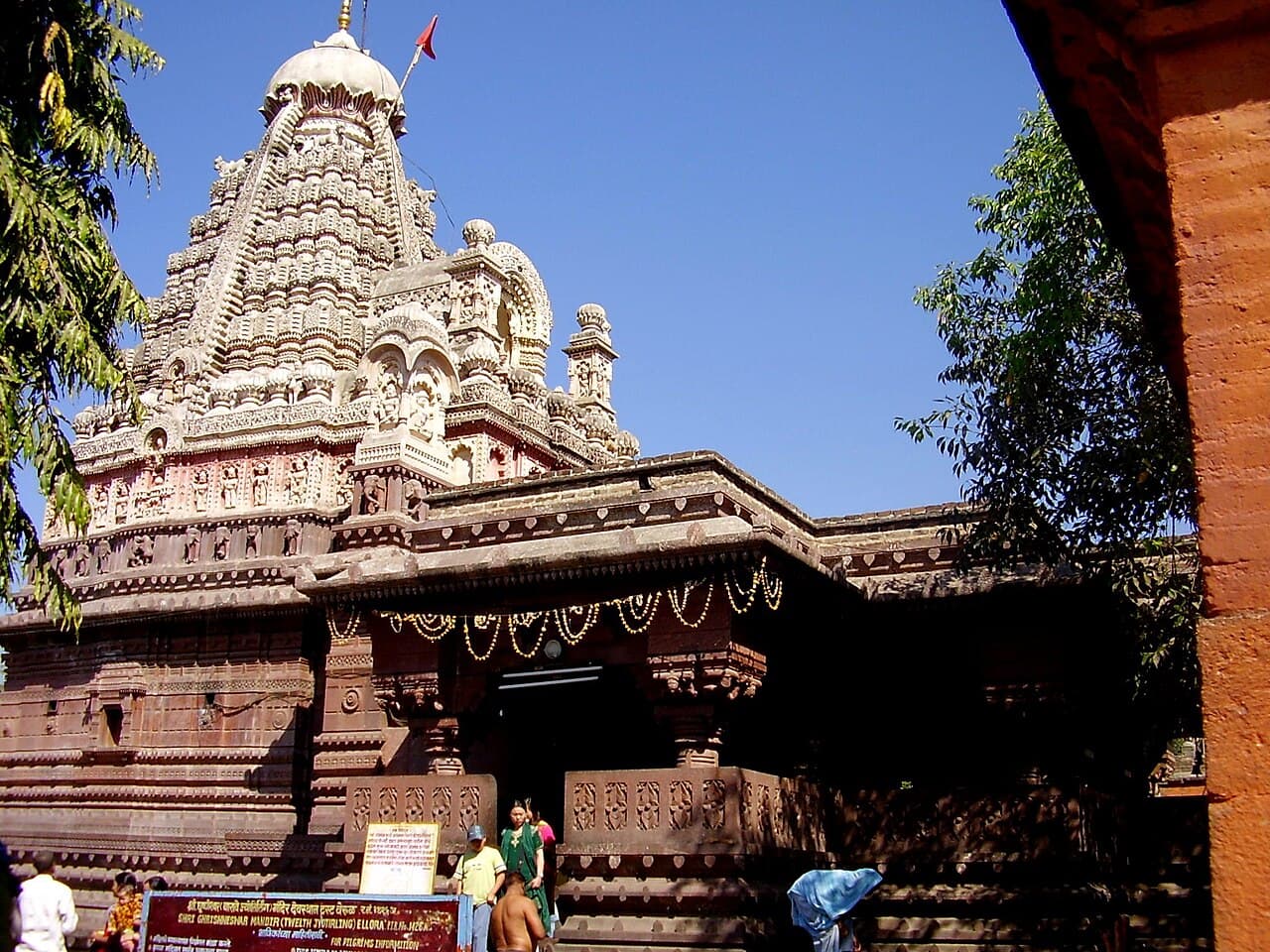
Grishneshwar
Ellora, Aurangabad, Maharashtra
The twelfth and final Jyotirlinga, beside the Ellora caves — a red-stone temple revived by Ahilyabai Holkar.
Shakti Peethas
New to this tradition? Read the overview →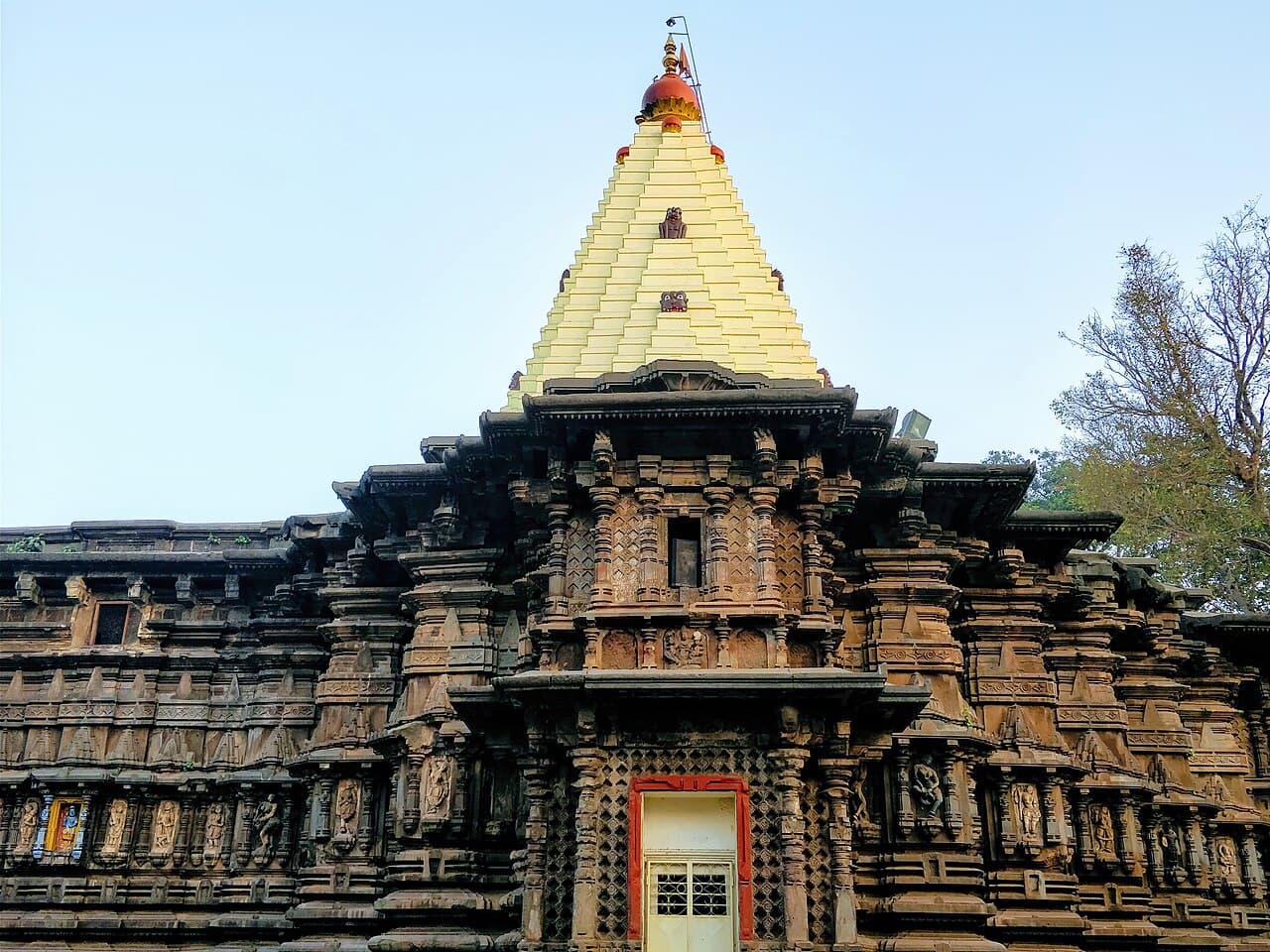
Mahalakshmi, Kolhapur
Kolhapur, Maharashtra
Ambabai of Kolhapur — the living Devi of Karvir, whom the setting sun itself comes to worship at the Kiranotsav.

Saptashringi, Vani
Vani, Nashik, Maharashtra
The eighteen-armed Mother in the living rock of a seven-peaked Sahyadri gad above Vani — Saptashringi Nivasini, held among the sade-tin Shakti Peethas of Maharashtra.
Ashtavinayaka
New to this tradition? Read the overview →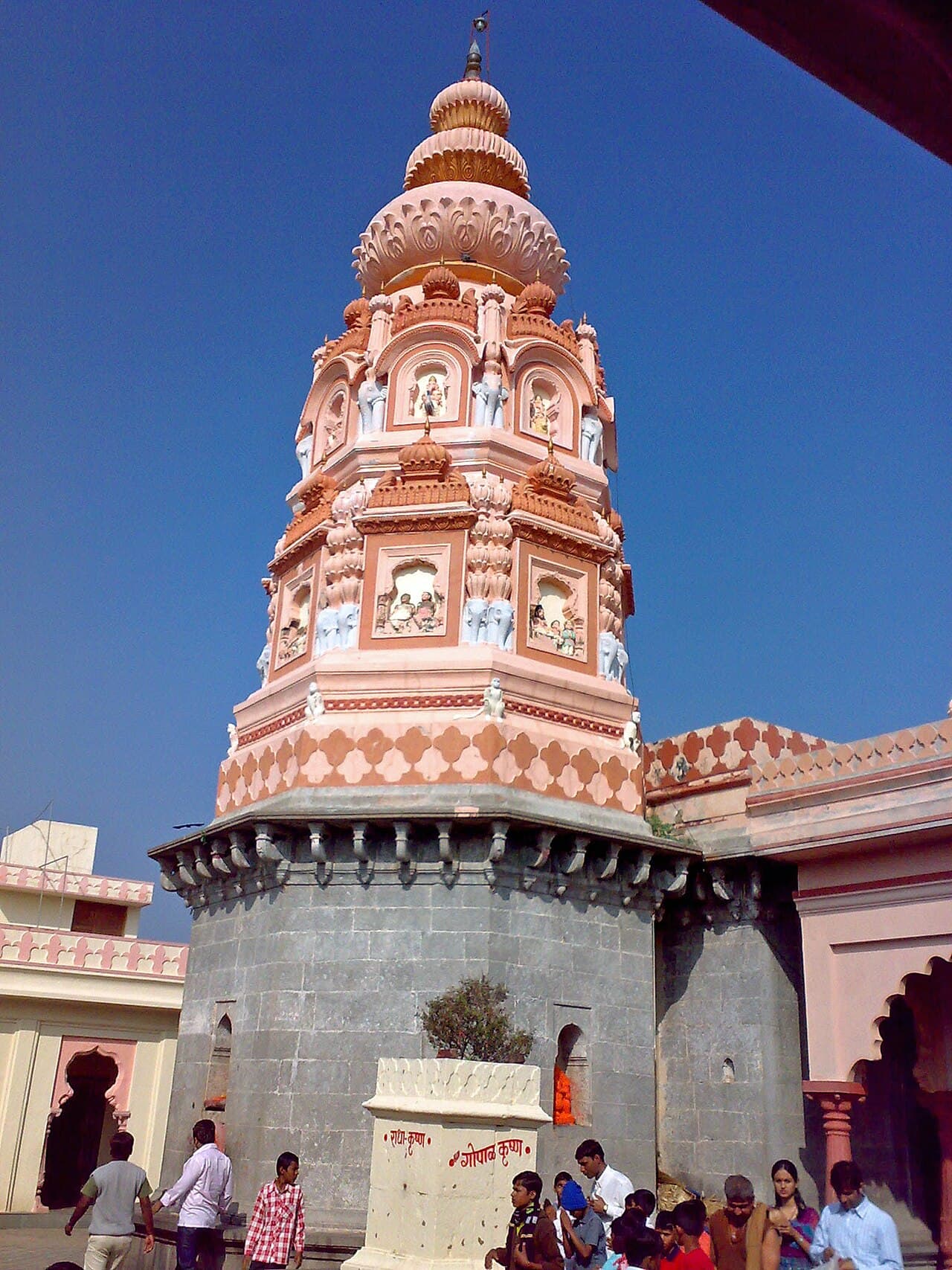
Mayureshwar, Morgaon
Morgaon, Pune, Maharashtra
The first and last bow of the Ashtavinayak yatra — where Ganesha, riding his peacock, slew the demon Sindhu at Morgaon on the Karha.
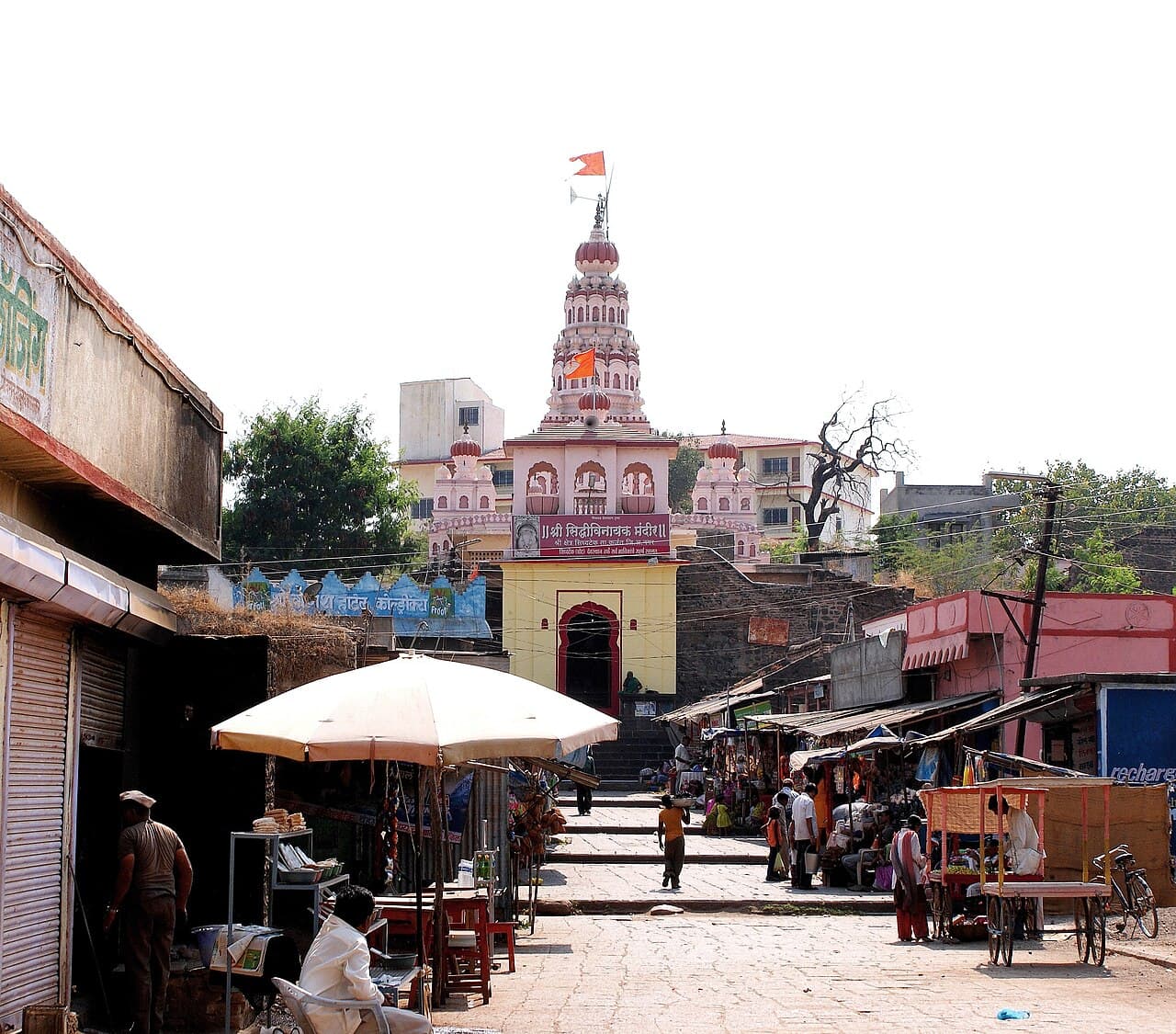
Siddhivinayak, Siddhatek
Siddhatek, Ahilyanagar, Maharashtra
The only right-trunked Ganesha of the eight — Siddhivinayak on a hill above the Bhima, the giver of siddhi, attainment.
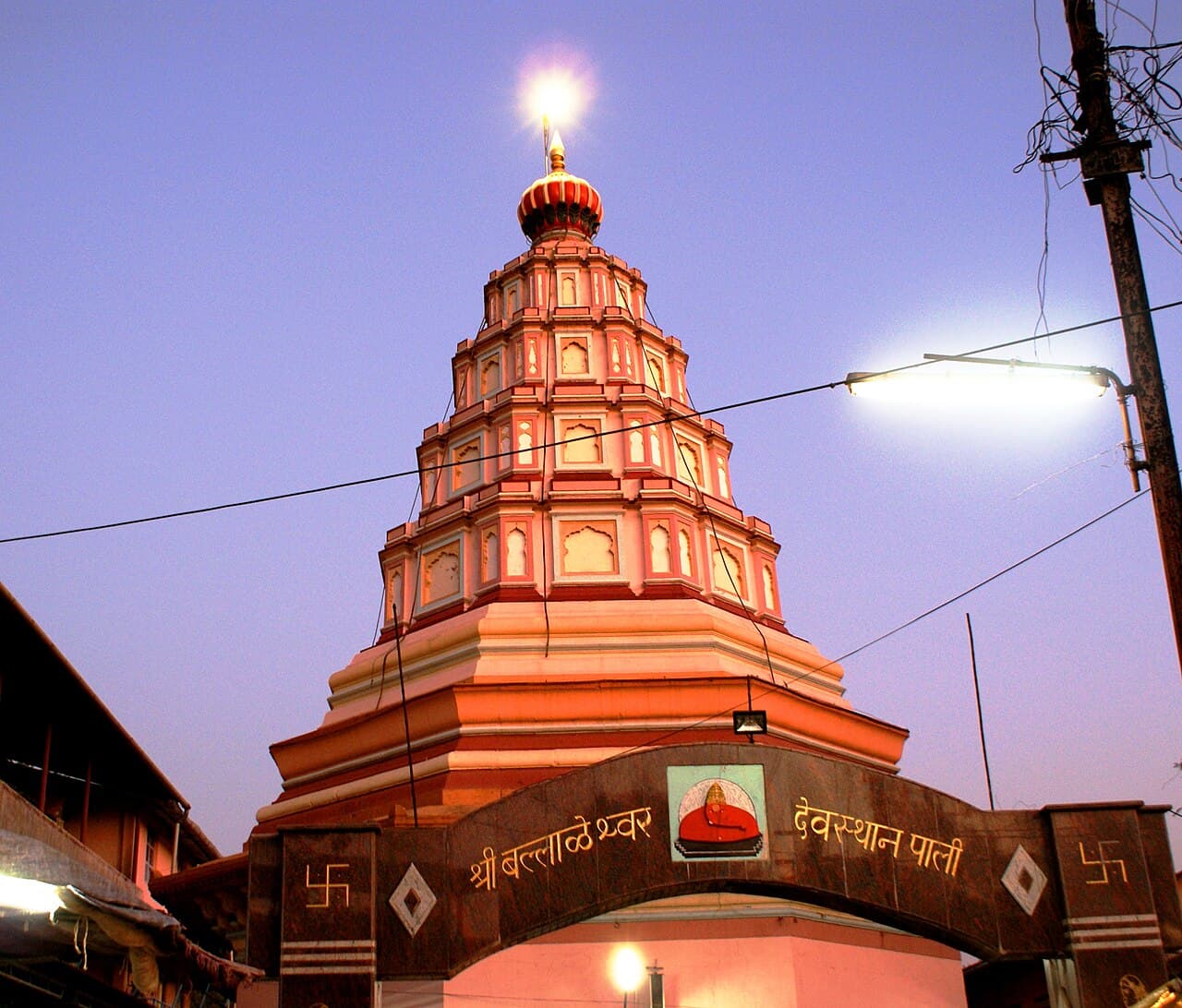
Ballaleshwar, Pali
Pali, Raigad, Maharashtra
The only Ashtavinayak named for a devotee — the child Ballal — set between Sarasgad fort and the Amba, its prasad the besan laddoo.
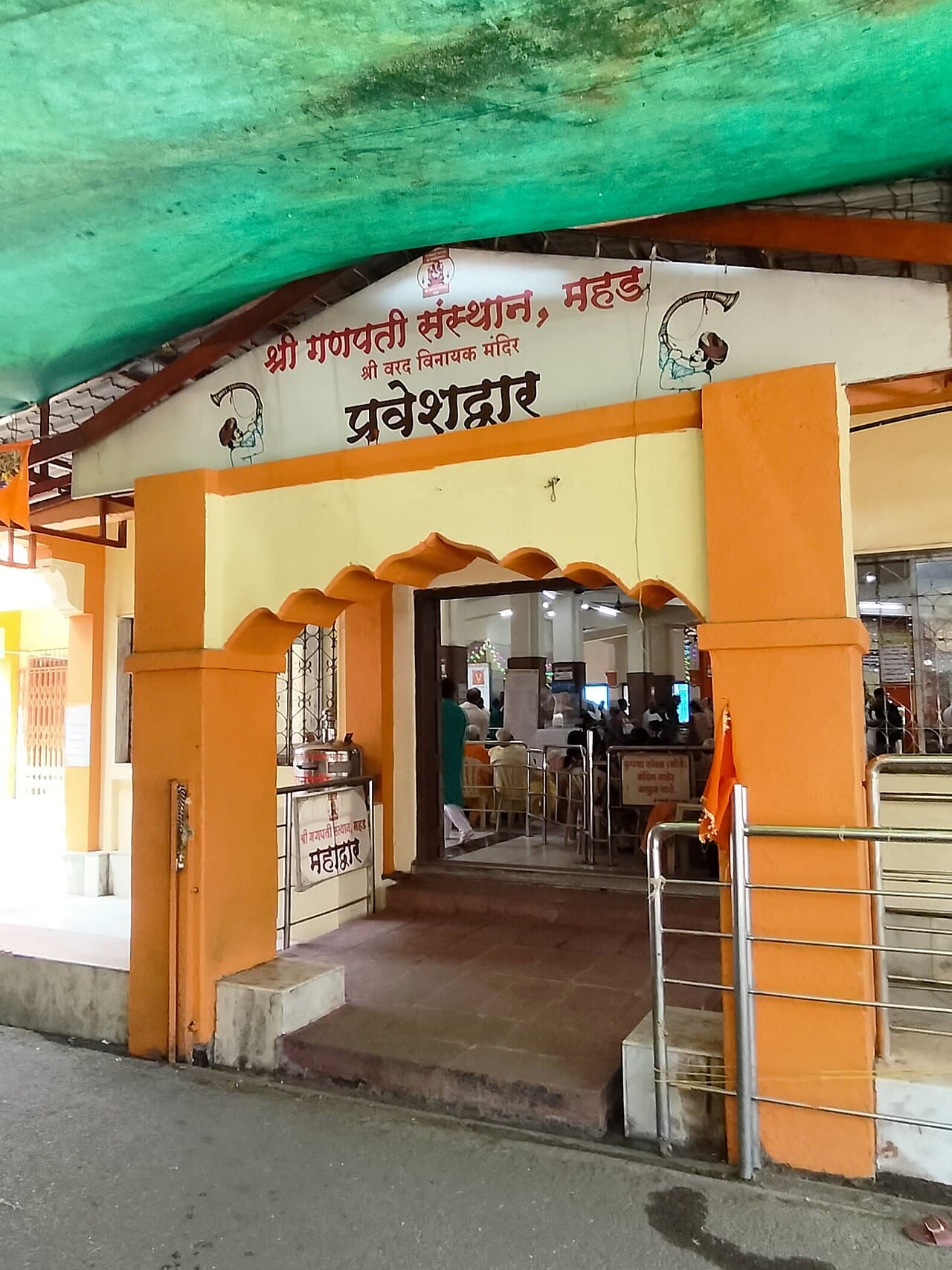
Varadvinayak, Mahad
Mahad, Raigad, Maharashtra
The boon-giver of the eight — Varadvinayak of Mahad village, where a Nandadeep lamp is said to have burned since 1892.
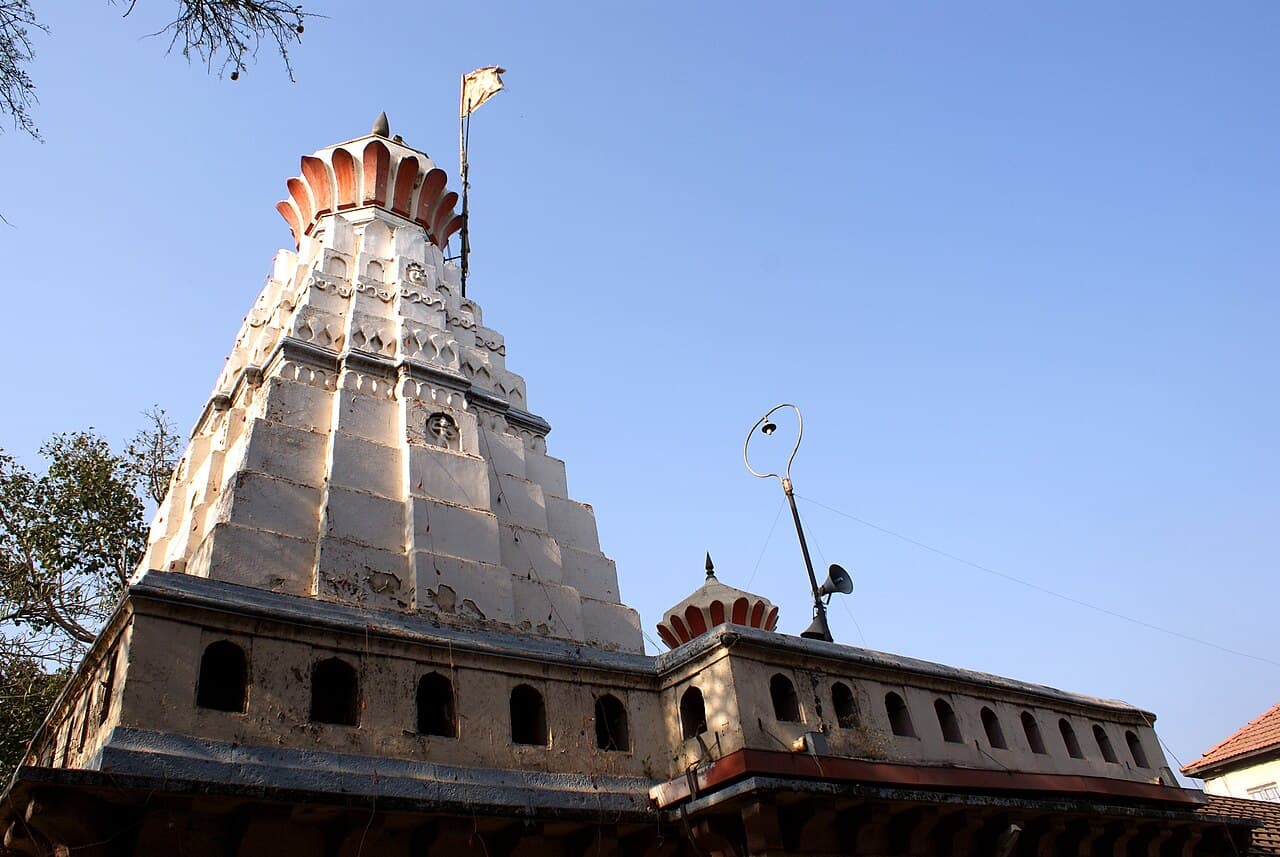
Chintamani, Theur
Theur, Pune, Maharashtra
The Ganesha who stills the restless mind — the fifth Ashtavinayak, on the river-meet at Theur and a cherished shrine of the Peshwas.
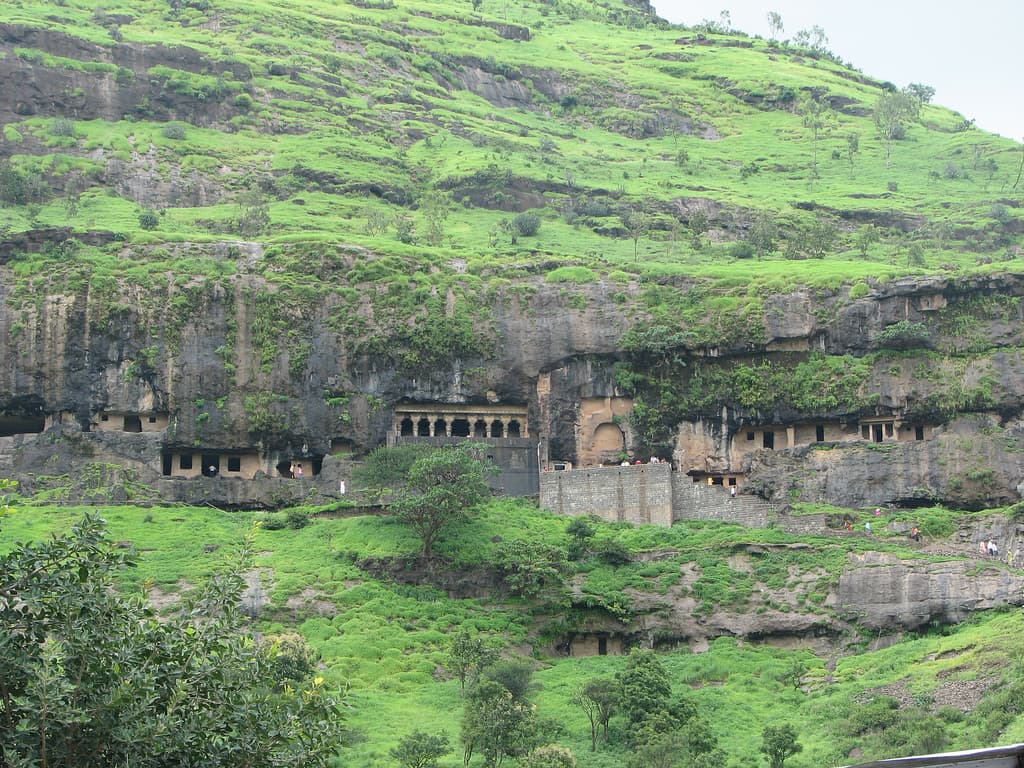
Girijatmaj, Lenyadri
Lenyadri, Pune, Maharashtra
The only hill-and-cave Ganesha of the eight — Girija's son, enshrined in an ancient rock-cut Buddhist vihara above the Kukadi.
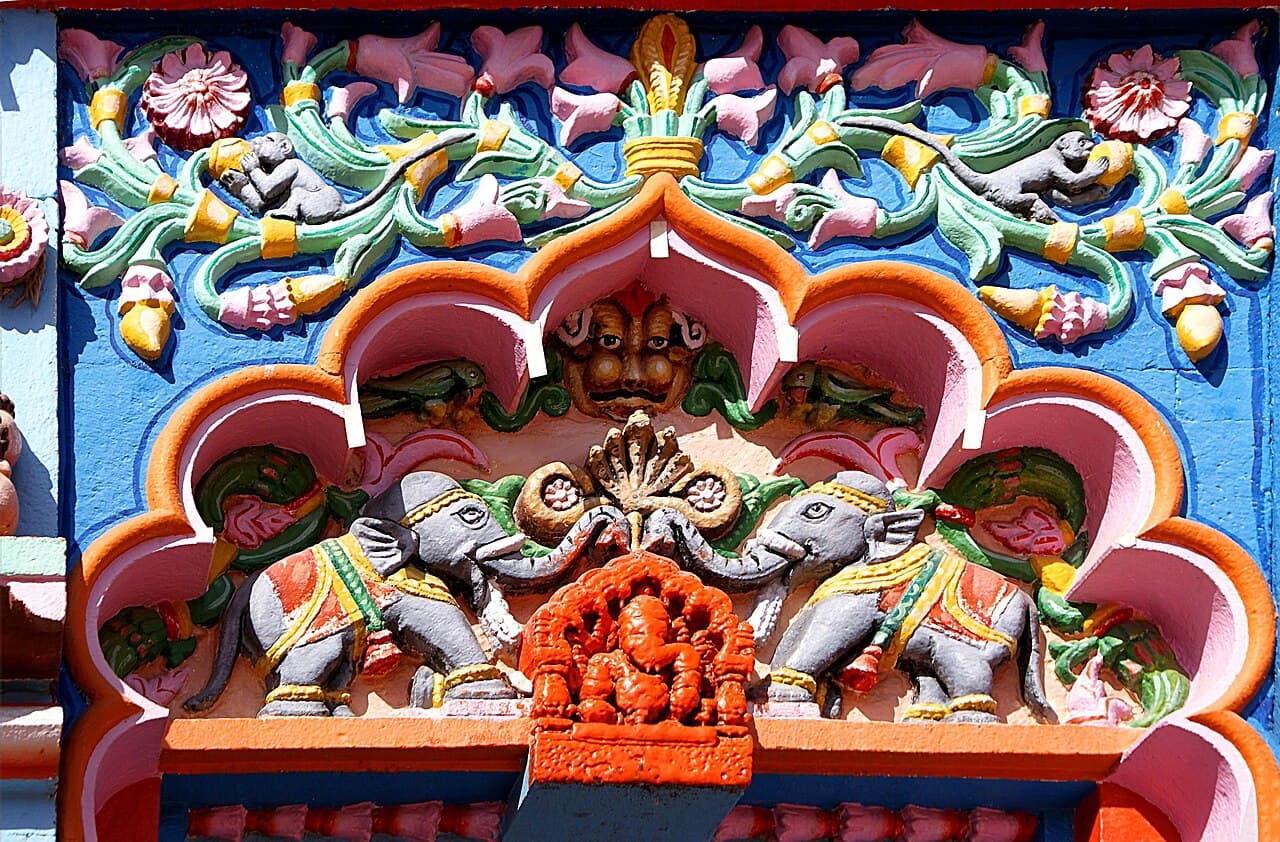
Vighnahar, Ozar
Ozar, Pune, Maharashtra
The remover of obstacles on the Kukadi — the golden-domed Ozar shrine where Ganesha subdued the demon Vighnasura.
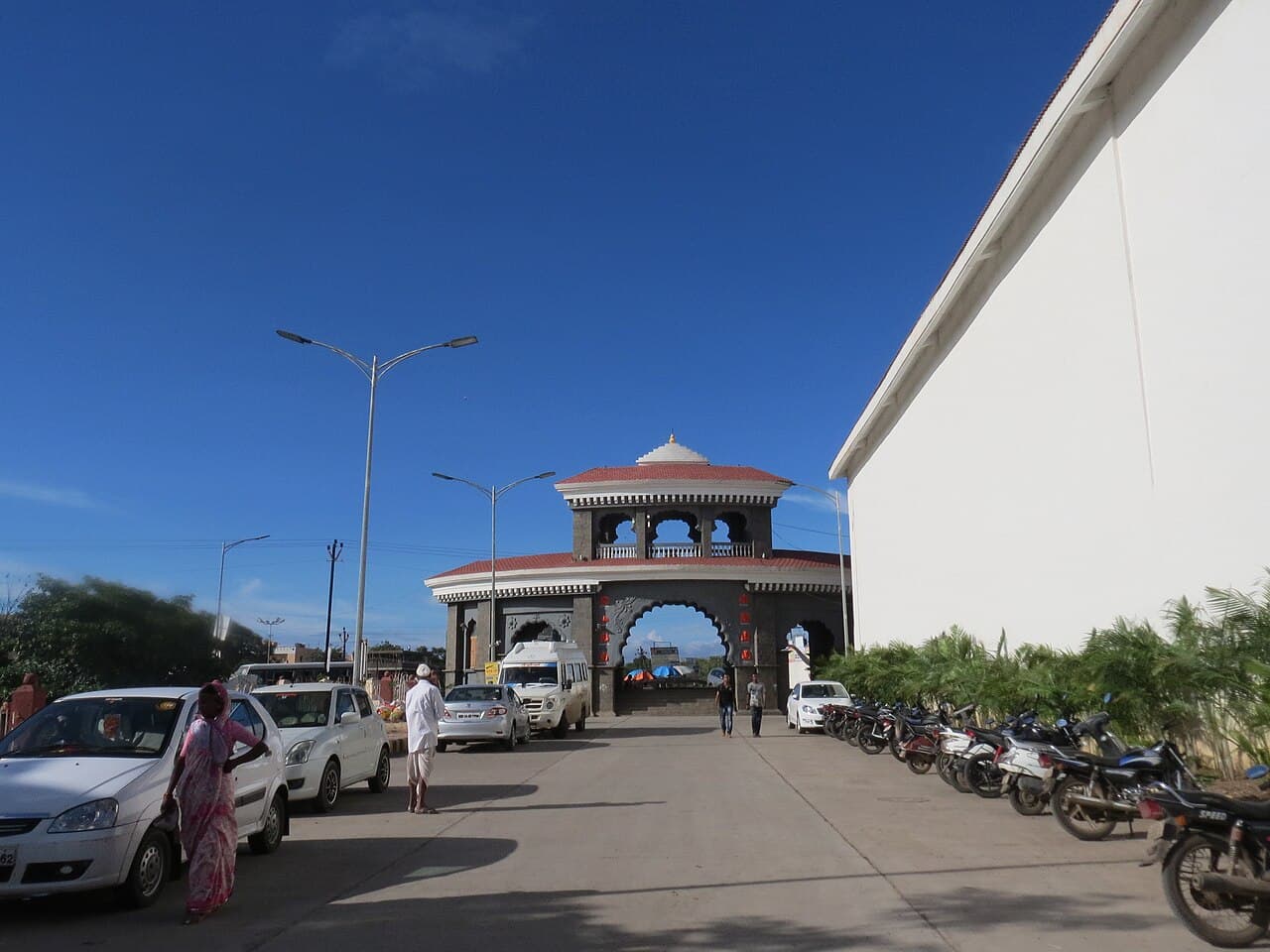
Mahaganapati, Ranjangaon
Ranjangaon, Pune, Maharashtra
The mightiest of the eight — the Ranjangaon shrine where Shiva himself invoked Ganesha before facing the demon Tripurasura.
Vishnu Desam
New to this tradition? Read the overview →
Vitthal Rukmini, Pandharpur
Pandharpur, Maharashtra
Vishnu as Vitthal, standing arms-akimbo on Pundalik's brick beside the Chandrabhaga — the heart of Maharashtra's Warkari faith, where every Ashadhi the walking pilgrimage of a whole people comes home.

Shri Kalaram Mandir, Panchavati
Panchavati, Nashik, Maharashtra
The black Rama of Panchavati — Rama, Sita and Lakshmana in dark stone on the Godavari at Nashik, on ground the Ramayana remembers as the forest of the exile years.

Frequently Asked Questions
How many major temples are listed in Maharashtra on MereMandir?+
Fourteen — the eight Ashtavinayaka Ganesha temples around Pune (Morgaon, Siddhatek, Pali, Mahad, Theur, Lenyadri, Ozar and Ranjangaon), three Jyotirlingas (Bhimashankar, Trimbakeshwar and Grishneshwar), two Devi seats — Mahalakshmi at Kolhapur and Saptashringi above Vani, both counted among Maharashtra's sade-tin Shakti Peethas — and Vitthal of Pandharpur, the Warkari heart of the state. Together they span the Ganesha, Shiva, Devi and Vishnu traditions in a single state.
Which Jyotirlingas are in Maharashtra?+
Three of the twelve Jyotirlingas feature on MereMandir's Maharashtra list: Bhimashankar in the Sahyadri hills northwest of Pune, Trimbakeshwar near Nashik at the source of the river Godavari, and Grishneshwar beside the Ellora caves — traditionally recited as the twelfth and final Jyotirlinga in the Dvadasha Jyotirlinga Stotram.
Can the Ashtavinayaka yatra be combined with Maharashtra's Jyotirlingas?+
Yes, quite naturally. The eight Ashtavinayaka temples form a two-to-three-day circuit from Pune, and Bhimashankar is a day trip from the same base. Trimbakeshwar fits a Nashik leg, while Grishneshwar pairs with the Ellora caves near Chhatrapati Sambhajinagar (Aurangabad). Kolhapur's Mahalakshmi suits a separate southern trip.
What is the best season to visit temples in Maharashtra?+
October to February offers cool, dry weather ideal for the Ashtavinayaka circuit and hill temples like Bhimashankar. Shravan and Ganesh Chaturthi (August–September) bring intense devotional energy but heavy crowds, and monsoon months make the Sahyadris lush yet roads slower. Kiranotsav at Kolhapur, around late January and early November, is a special draw.