Ganesh Chaturthi celebrates the birth of Lord Ganesha, the elephant-headed son of Shiva and Parvati, worshipped across India as Vighnaharta — the remover of obstacles — and as the lord of beginnings, wisdom, and auspiciousness. The festival falls on the Chaturthi (fourth day) of the bright fortnight of the Hindu month of Bhadrapada; in 2026 this is Monday, 14 September. For devotees it is not merely an anniversary but a homecoming: for these days Bappa is welcomed into the household as its most honoured guest, served, sung to, and finally sent off with the promise that he will return early next year.
The celebration begins with sthapana — a clay murti of Ganesha is carried home to cries of “Ganpati Bappa Morya,” installed on a decorated altar, and invoked through pranapratishtha, the ritual that breathes divine presence into the image. Families offer him his beloved modak, durva grass, and red flowers, and gather for aarti each morning and evening. Alongside home worship stands the sarvajanik (public) tradition: since Lokmanya Tilak popularised community celebrations in 1893 as a way of uniting people, neighbourhood pandals have grown into spectacular centres of devotion, music, and art. Households bid farewell after one and a half, three, five, seven days, or the full festival period, but the grandest conclusion comes on Anant Chaturdashi — Friday, 25 September 2026 — when processions dance the murtis to rivers, lakes, and the sea for visarjan, the immersion that dissolves form back into the formless.
Nowhere does the festival burn brighter than in Maharashtra. Mumbai's Lalbaugcha Raja draws darshan queues that run through the night, Pune's Shreemant Dagdusheth Halwai and Kasba Ganpati anchor a city transformed, and entire mohallas live around their pandals for the duration. Maharashtra is also home to the Ashtavinayaka — eight ancient temples encircling Pune, at Morgaon, Theur, Siddhatek, Ranjangaon, Ozar, Lenyadri, Mahad, and Pali, each enshrining a svayambhu (self-manifested) form of Ganesha. The Ashtavinayaka yatra, which by tradition begins and ends at Morgaon's Mayureshwar, sees its greatest tide of pilgrims around Ganeshotsav, when devotees time the circuit to seek the eightfold darshan in the very season of Bappa's arrival. To complete the yatra during these days is counted among the most fulfilling of Ganesha pilgrimages.
Where to take darshan
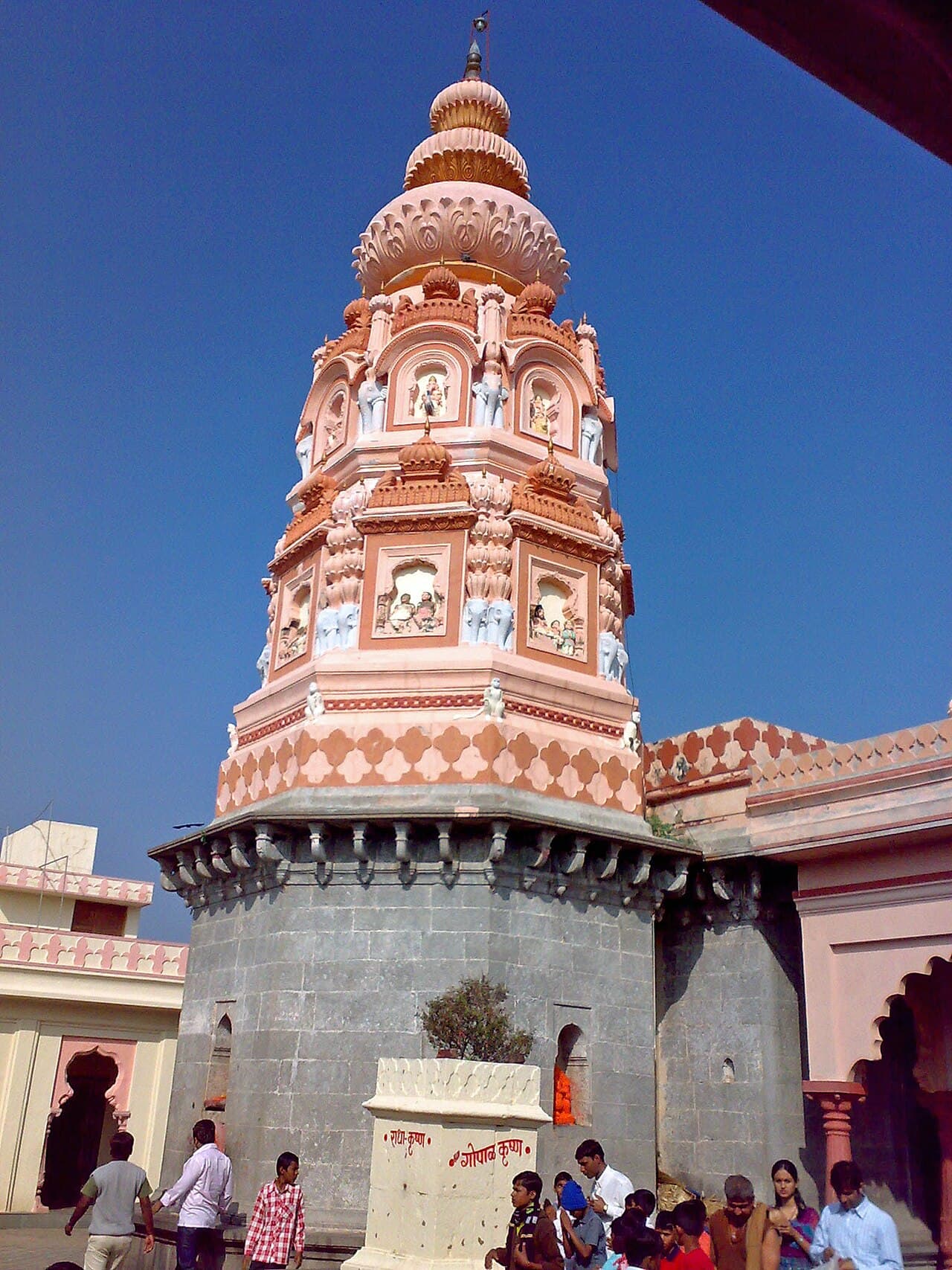
Mayureshwar, Morgaon
Morgaon, Pune, Maharashtra
The first and last bow of the Ashtavinayak yatra — where Ganesha, riding his peacock, slew the demon Sindhu at Morgaon on the Karha.
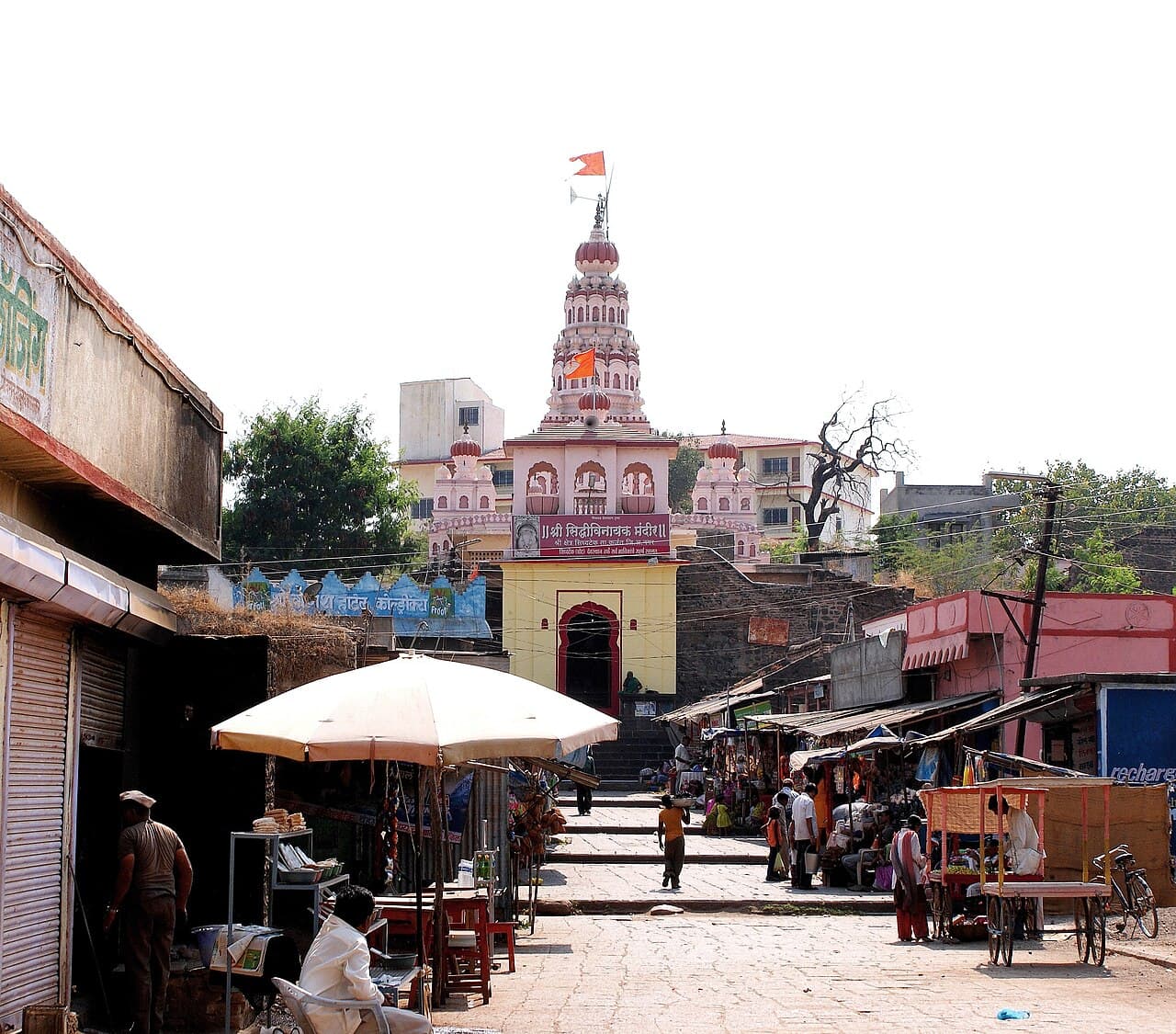
Siddhivinayak, Siddhatek
Siddhatek, Ahilyanagar, Maharashtra
The only right-trunked Ganesha of the eight — Siddhivinayak on a hill above the Bhima, the giver of siddhi, attainment.
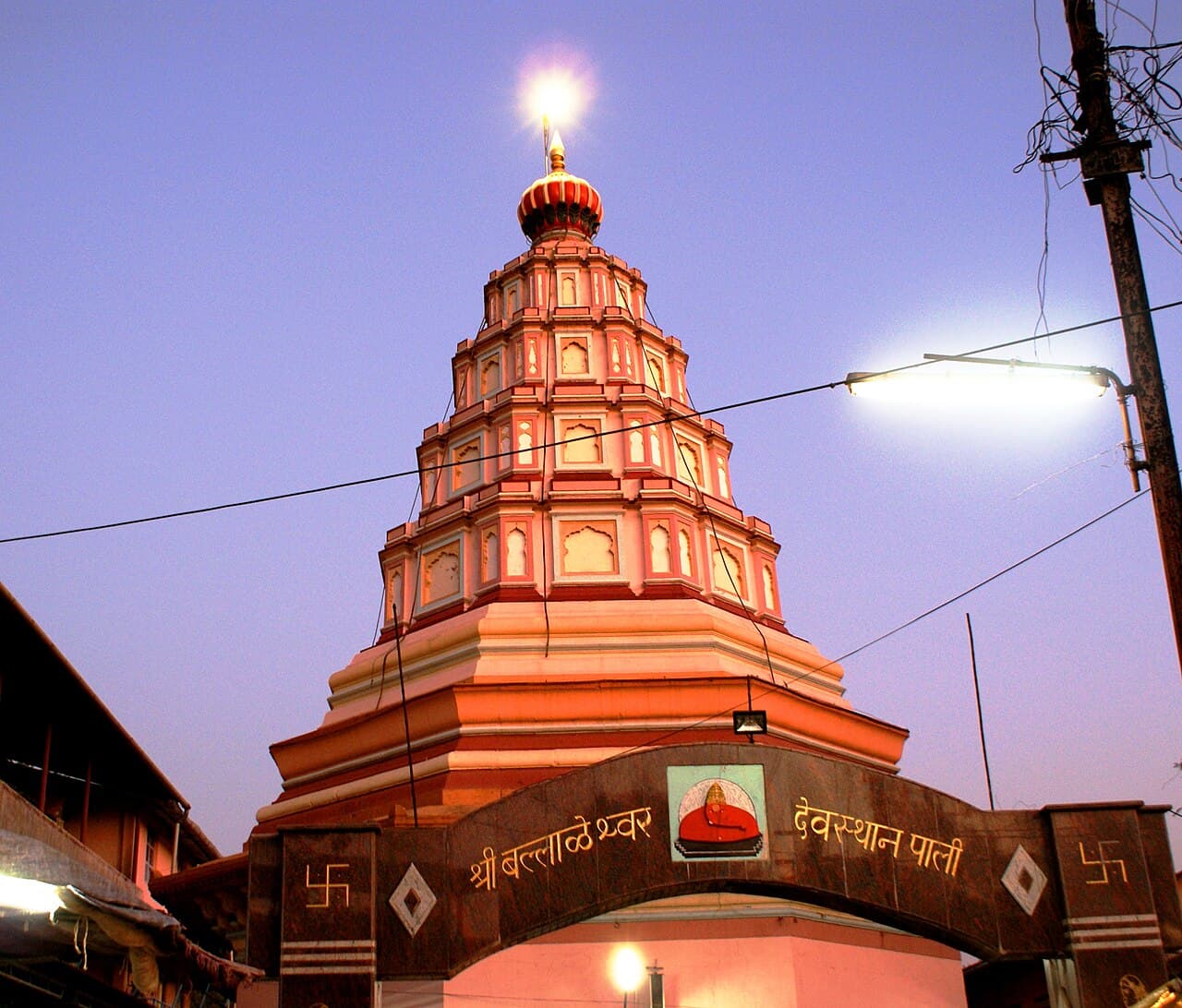
Ballaleshwar, Pali
Pali, Raigad, Maharashtra
The only Ashtavinayak named for a devotee — the child Ballal — set between Sarasgad fort and the Amba, its prasad the besan laddoo.
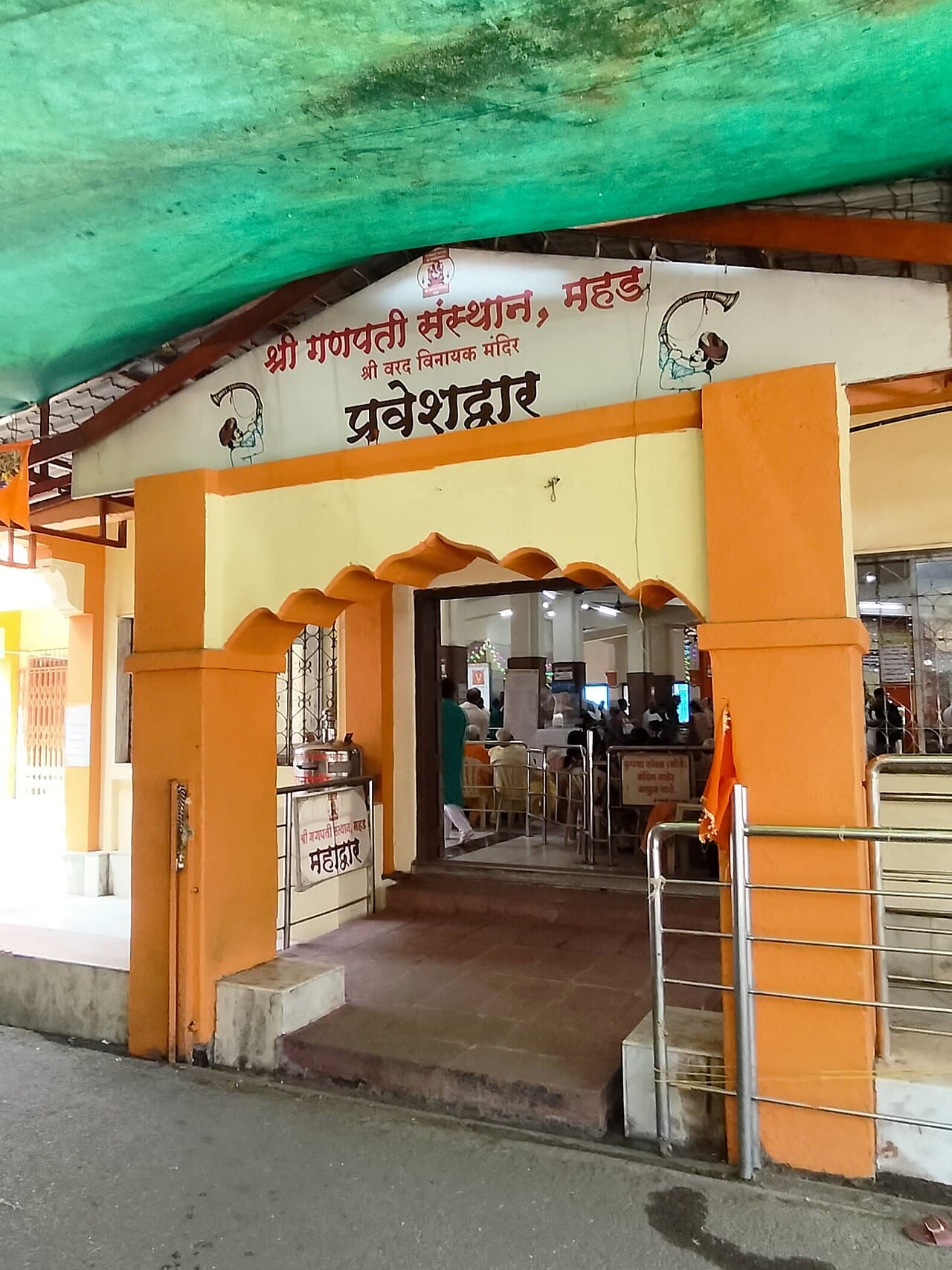
Varadvinayak, Mahad
Mahad, Raigad, Maharashtra
The boon-giver of the eight — Varadvinayak of Mahad village, where a Nandadeep lamp is said to have burned since 1892.
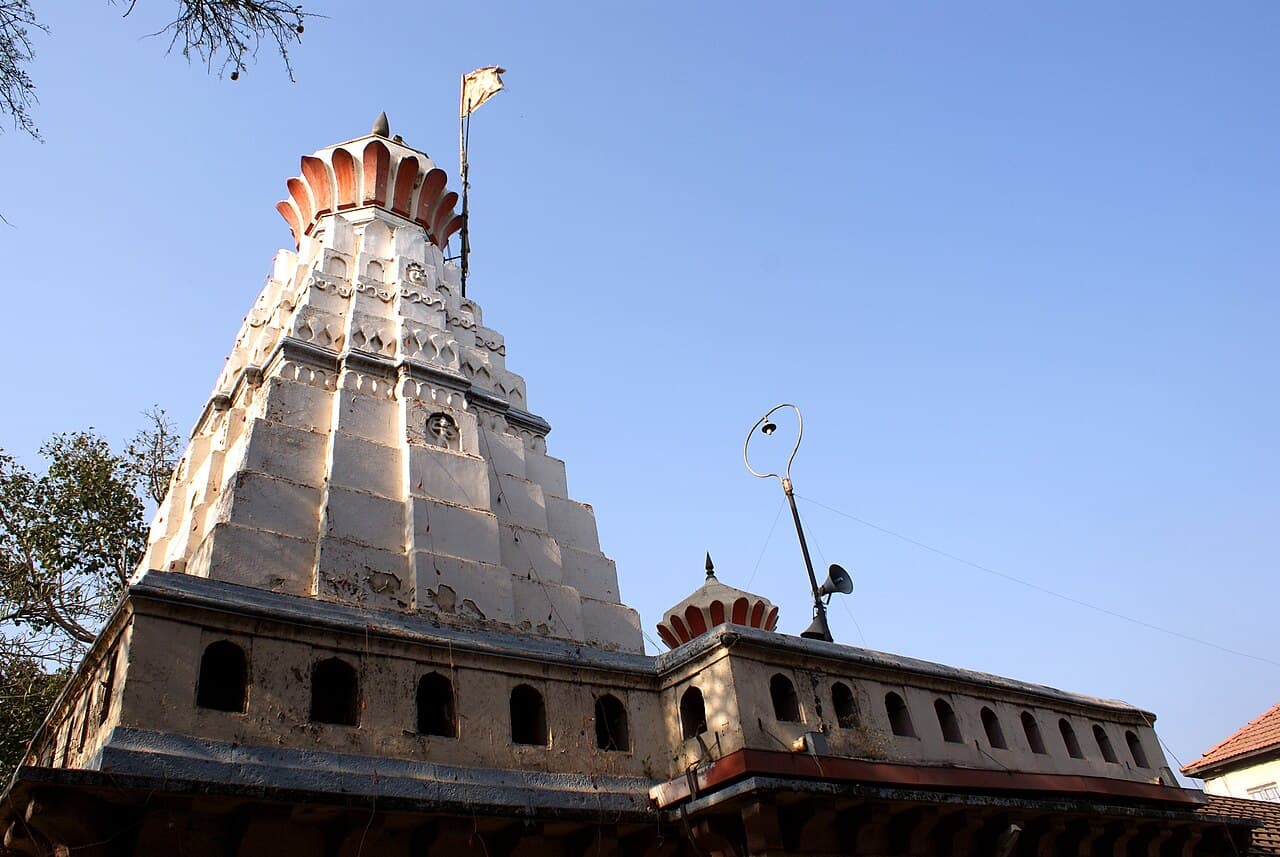
Chintamani, Theur
Theur, Pune, Maharashtra
The Ganesha who stills the restless mind — the fifth Ashtavinayak, on the river-meet at Theur and a cherished shrine of the Peshwas.
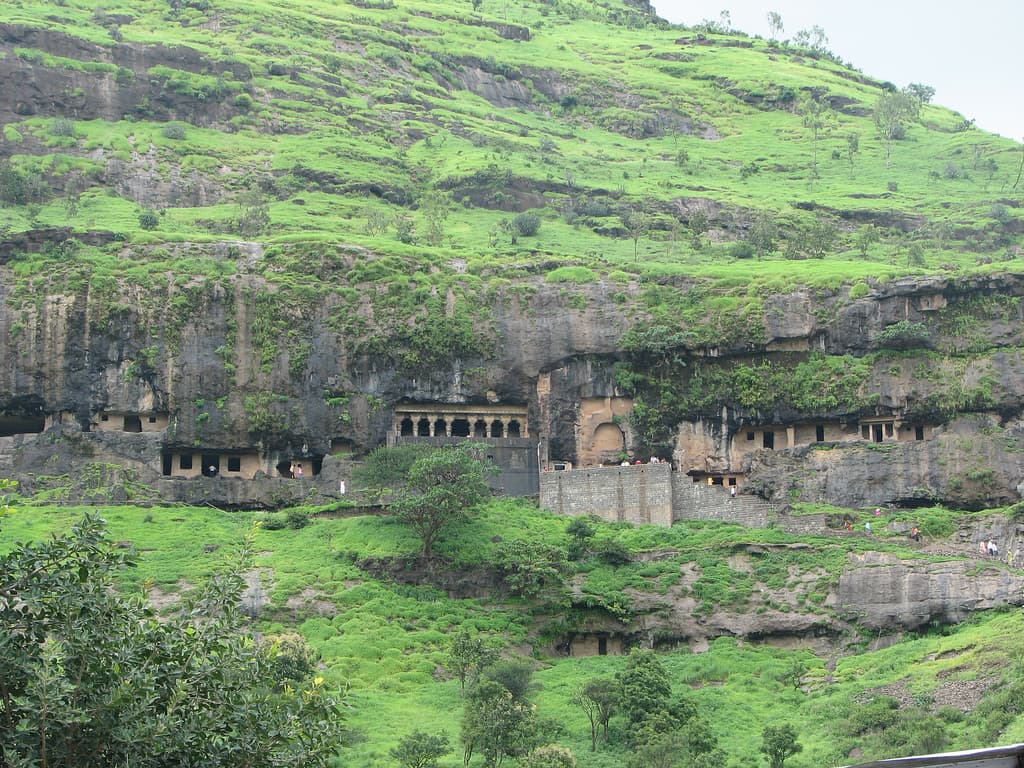
Girijatmaj, Lenyadri
Lenyadri, Pune, Maharashtra
The only hill-and-cave Ganesha of the eight — Girija's son, enshrined in an ancient rock-cut Buddhist vihara above the Kukadi.
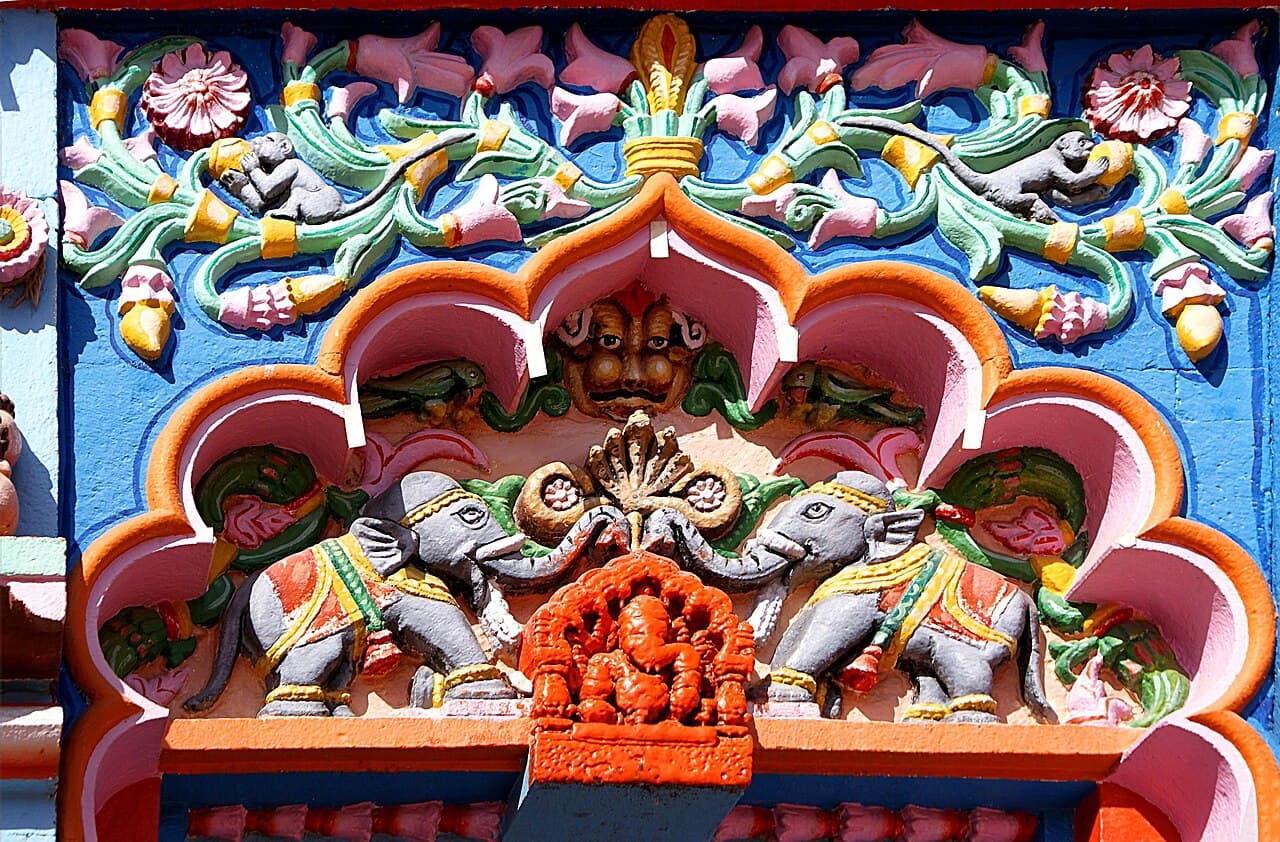
Vighnahar, Ozar
Ozar, Pune, Maharashtra
The remover of obstacles on the Kukadi — the golden-domed Ozar shrine where Ganesha subdued the demon Vighnasura.
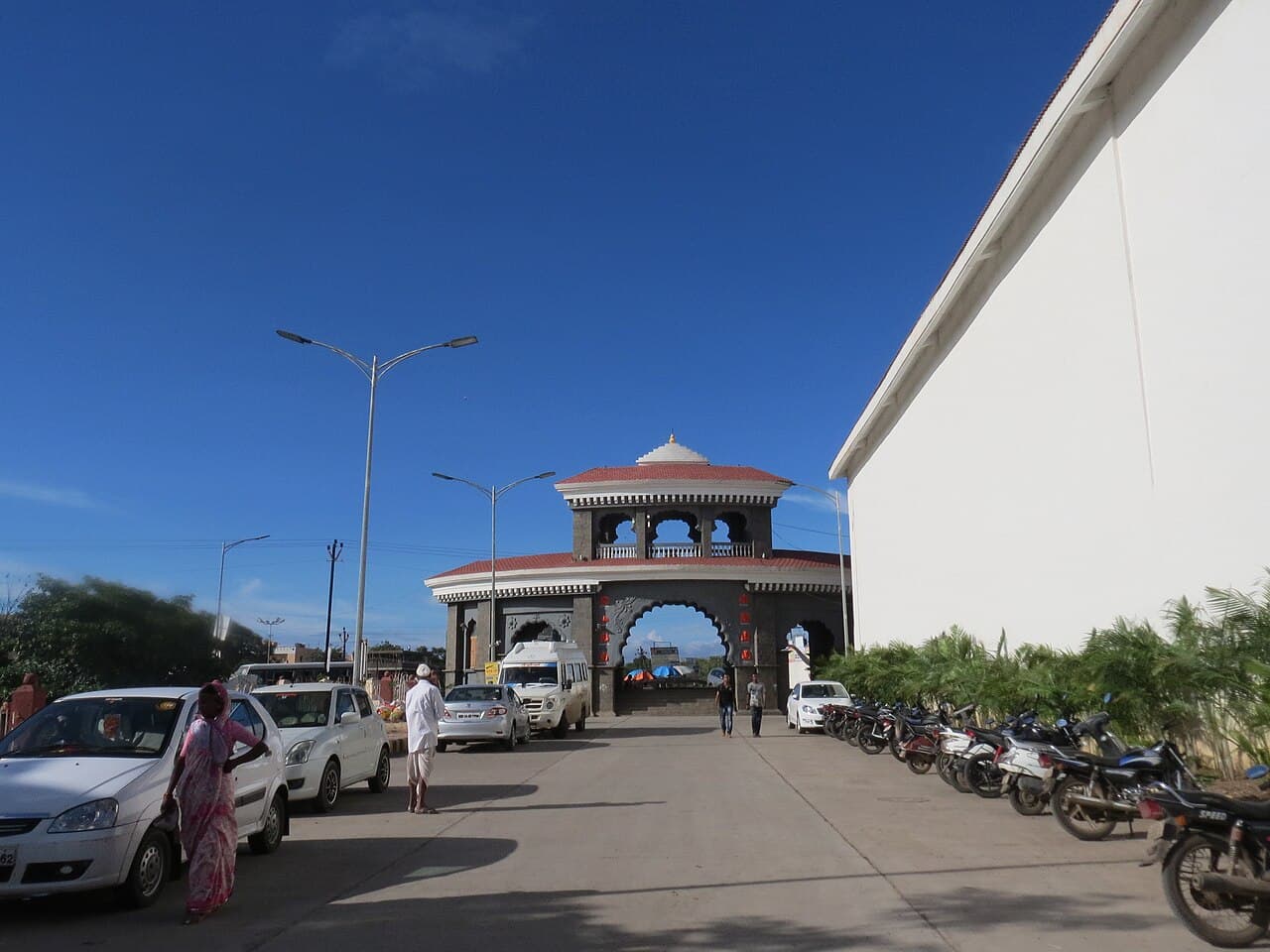
Mahaganapati, Ranjangaon
Ranjangaon, Pune, Maharashtra
The mightiest of the eight — the Ranjangaon shrine where Shiva himself invoked Ganesha before facing the demon Tripurasura.
Frequently Asked Questions
When is Ganesh Chaturthi in 2026?+
Ganesh Chaturthi falls on Monday, 14 September 2026, on Bhadrapada Shukla Chaturthi, as per Drik Panchang and other panchang authorities. The ideal time for Ganpati sthapana is the madhyahna (midday) muhurat; exact timings vary by city, so check a local panchang. The festival concludes with visarjan on Friday, 25 September 2026.
How long does the festival last?+
Ganeshotsav is traditionally a ten-day festival, beginning on Ganesh Chaturthi and ending with the grand visarjan on Anant Chaturdashi — in 2026, from 14 September to 25 September. Many families, however, keep Ganpati at home for a shorter period and perform visarjan after one and a half, three, five, or seven days, according to their family tradition.
Where is it celebrated most grandly?+
Maharashtra hosts the grandest celebrations. Mumbai's towering pandals — most famously Lalbaugcha Raja — draw millions of devotees, while Pune's Shreemant Dagdusheth Halwai and Kasba Ganpati anchor the city's historic sarvajanik tradition begun by Lokmanya Tilak in 1893. The festival is also celebrated with great fervour in Goa, Karnataka, Telangana, and by Hindu communities worldwide.
What is Anant Chaturdashi?+
Anant Chaturdashi is the fourteenth day of the bright fortnight of Bhadrapada — Friday, 25 September 2026. Devotees of Lord Vishnu worship him as Anant on this day, and it also marks the final day of Ganeshotsav, when the largest visarjan processions carry Ganesha murtis to rivers, lakes, and the sea for immersion, bidding Bappa farewell until next year.
Which temples are best for darshan?+
The eight Ashtavinayaka temples encircling Pune are the most revered for Ganesha darshan: Mayureshwar at Morgaon, Chintamani at Theur, Siddhivinayak at Siddhatek, Mahaganapati at Ranjangaon, Vighnahar at Ozar, Girijatmaj at Lenyadri, Varadvinayak at Mahad, and Ballaleshwar at Pali. Each enshrines a svayambhu (self-manifested) murti, and completing the yatra during Ganeshotsav is considered especially auspicious.