
The 12 Jyotirlingas yatra is the most cherished of all Shiva pilgrimages — a journey to the twelve shrines where, according to the Shiva Purana, Lord Shiva manifested as an endless column of light, the jyotirlinga. Spread across eight states, from the Arabian Sea coast of Gujarat to the Himalayan heights of Uttarakhand and the island tip of Tamil Nadu, these temples together trace the sacred geography of India. Pilgrims traditionally recite the Dvadasha Jyotirlinga Stotra — “Saurashtre Somanatham cha Srisaile Mallikarjunam…” — which names the shrines in a fixed devotional order beginning with Somnath and ending with Grishneshwar. In practice, though, almost no one travels in stotra order: the sensible way to complete the yatra is in geographic clusters, and that is exactly how this guide arranges the route.
The clusters fall into place naturally. Gujarat offers a pair — Somnath on the Saurashtra coast and Nageshwar near Dwarka. Maharashtra holds a trio: Trimbakeshwar near Nashik, Bhimashankar in the Sahyadri hills, and Grishneshwar beside the Ellora caves. Madhya Pradesh adds another pair — Omkareshwar on its island in the Narmada, and Mahakaleshwar in Ujjain, famed for its early-morning Bhasma Aarti. The northern pair needs the most planning: Kashi Vishwanath in Varanasi welcomes pilgrims year-round, but Kedarnath stands above 3,500 metres and its portals open only from around Akshaya Tritiya (late April–May) until Bhai Dooj (October–November); the temple is reached by a trek of roughly 16–18 km from Gaurikund, with helicopter services also operating in season. The remaining three complete the circuit east and south — Vaidyanath in Deoghar (Jharkhand), Mallikarjuna atop Srisailam (Andhra Pradesh), and Rameshwaram on Pamban Island (Tamil Nadu). Most pilgrims complete the twelve over several trips, taking one or two clusters at a time; a single continuous yatra by road and rail realistically takes three to four weeks.
For most of the circuit, October to March is the kindest season — cool, clear weather in Gujarat, Maharashtra, Madhya Pradesh, and the south. Kedarnath must be slotted into its own window: May–June before the monsoon, or September–October after it. Avoid the Himalayan stretch during peak monsoon (July–August), when heavy rain can disrupt roads, and note that the Western Ghats around Bhimashankar and Trimbakeshwar also receive intense rainfall then. The month of Sawan brings vast, devoted crowds to Vaidyanath and Kashi — a beautiful sight, but budget extra time. A little preparation deepens the experience: book darshan and aarti slots through each temple's official trust website where available, confirm current temple timings before you travel, and keep your itinerary loose enough that each darshan can be unhurried. The yatra rewards patience far more than speed.
The route, in darshan order
- 1
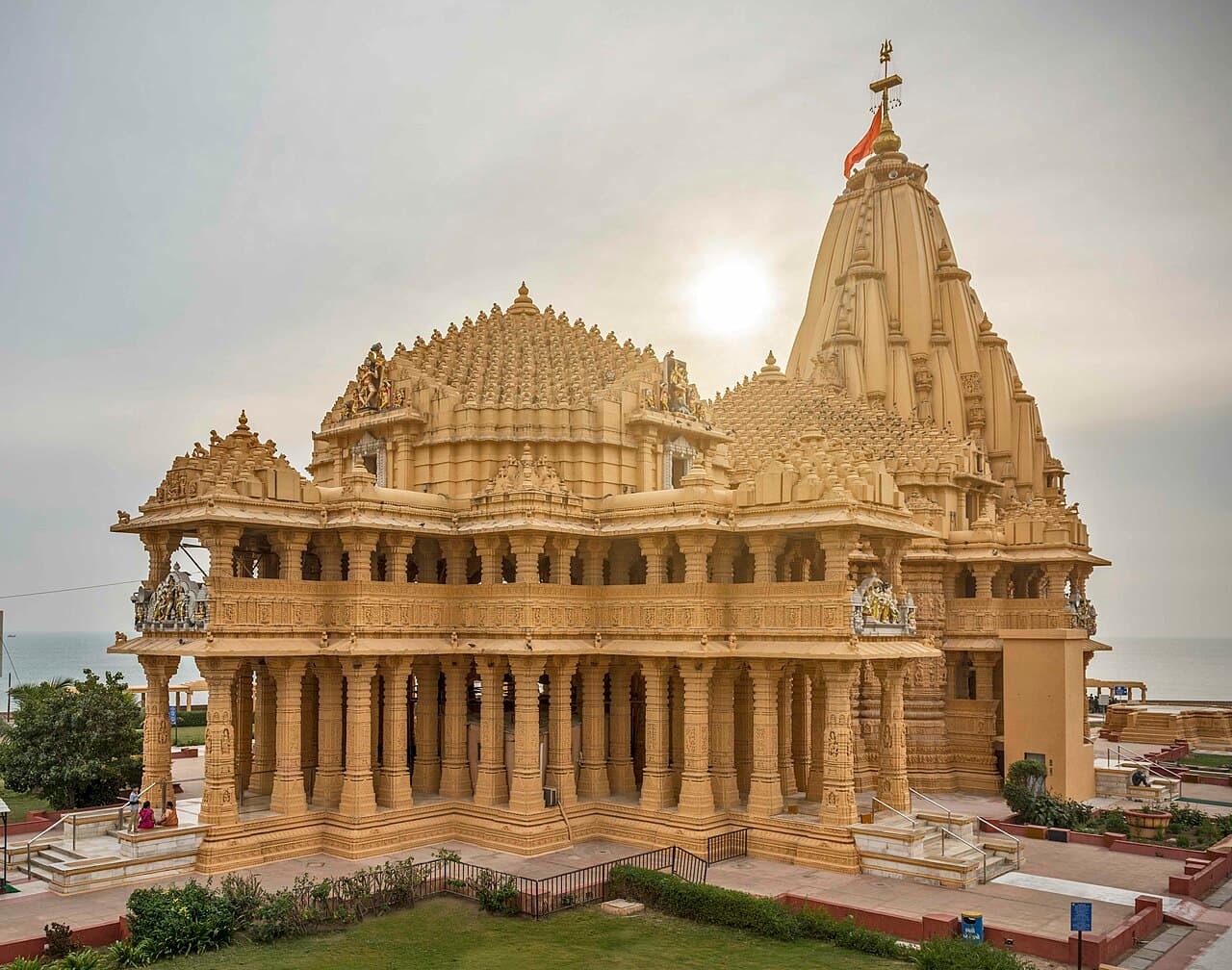
Somnath
Prabhas Patan, Veraval, Gujarat
The first of the twelve Jyotirlingas, rising on the Arabian Sea shore — destroyed and rebuilt through the ages as a symbol of faith's endurance.
- 2~211 km aerial distance
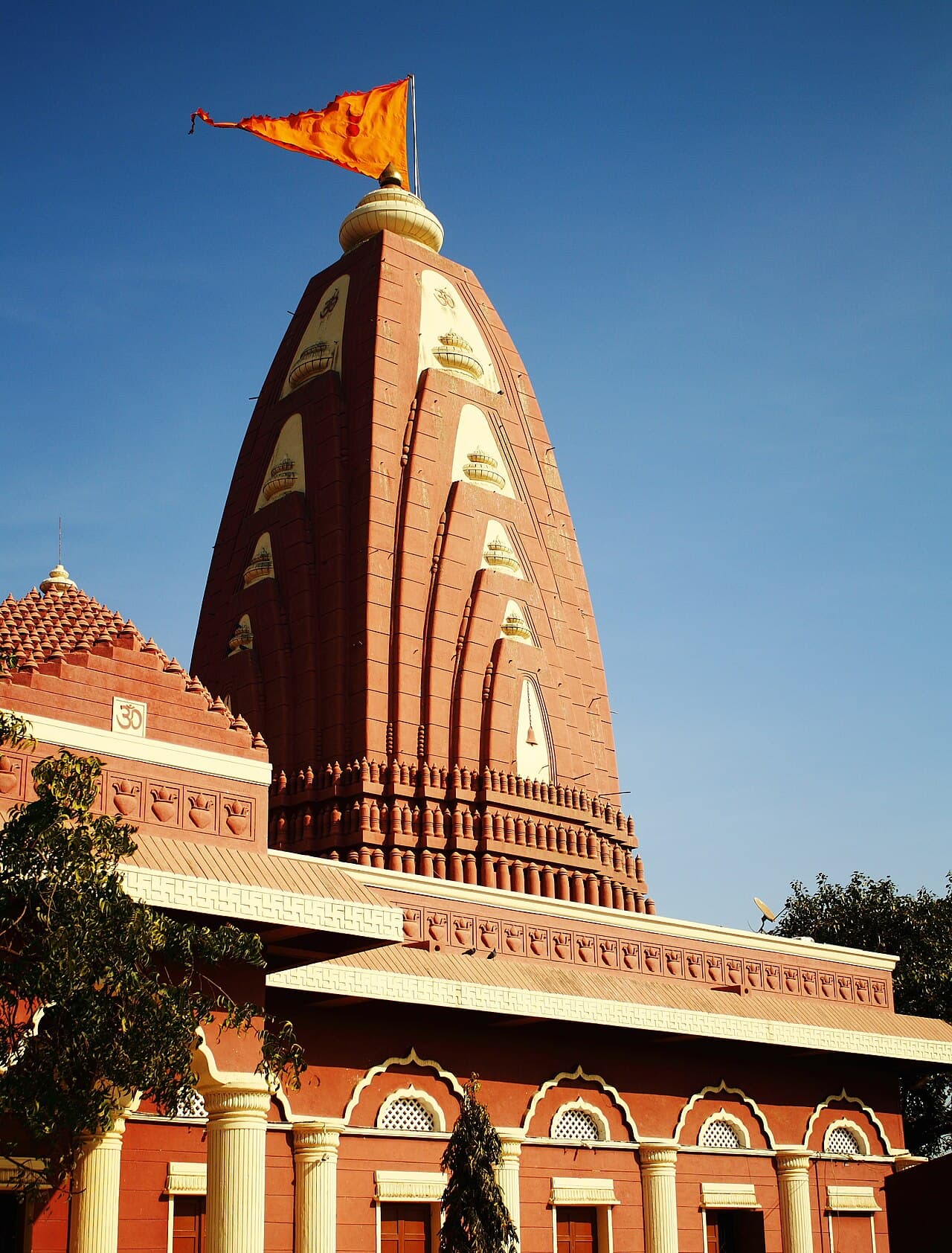
Nageshwar
Dwarka, Gujarat
The serpent-lord of Daruka-vana near Dwarka, guardian against all poison, marked by a towering Shiva statue.
- 3~533 km aerial distance
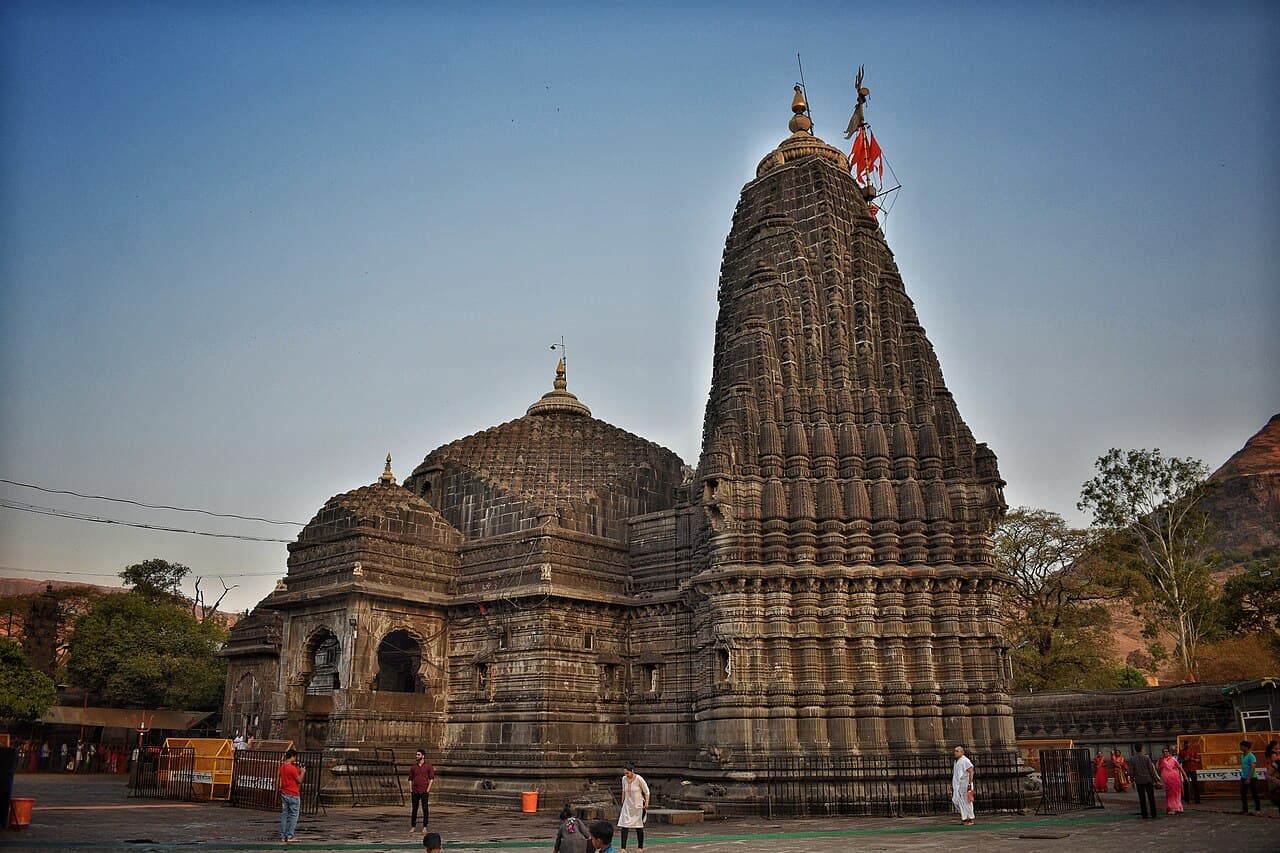
Trimbakeshwar
Nashik, Maharashtra
The three-faced lingam at the source of the Godavari, beneath the Brahmagiri hill near Nashik.
- 4~96 km aerial distance
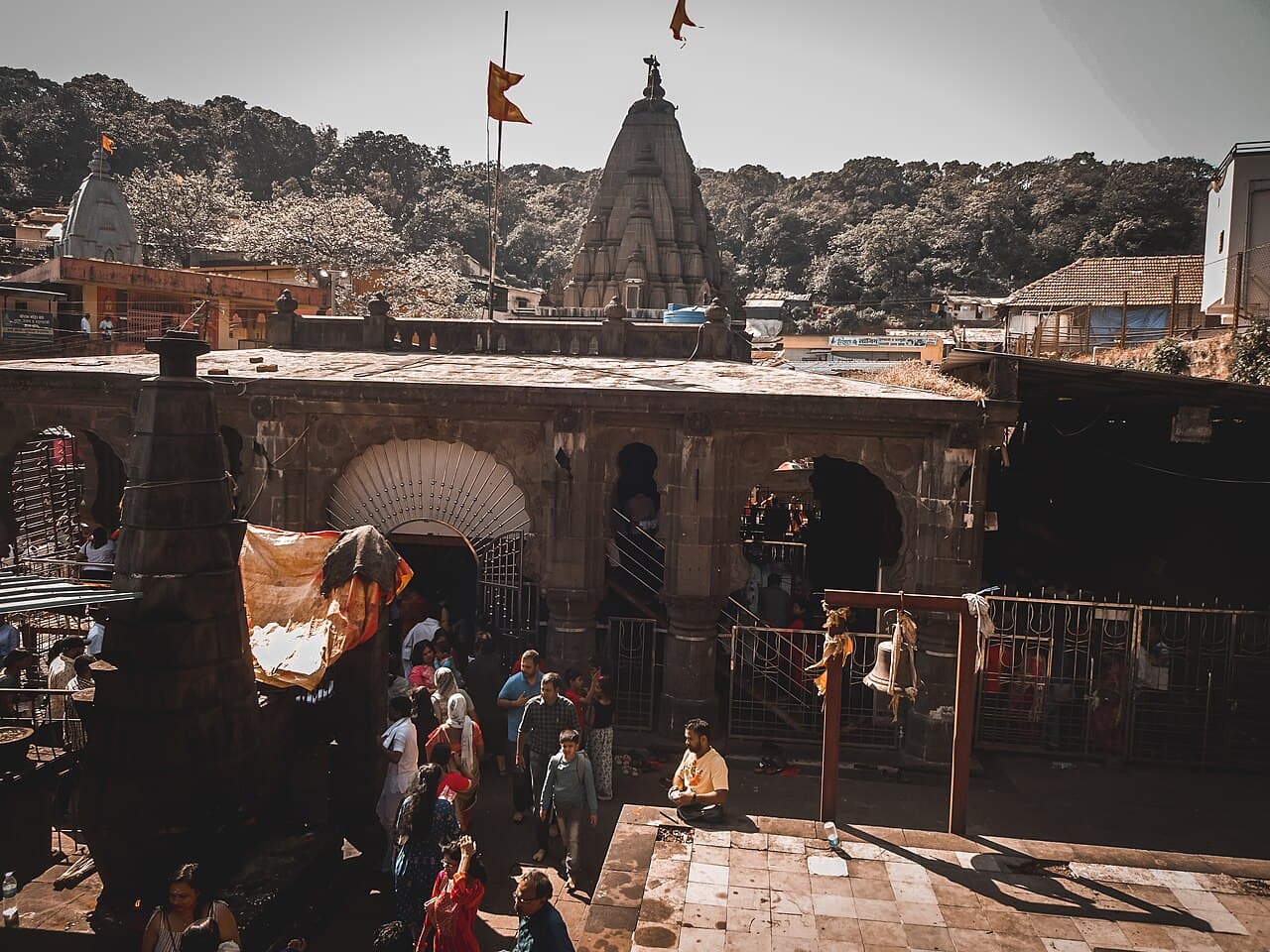
Bhimashankar
Pune district, Maharashtra
A forest Jyotirlinga in the Sahyadris — source of the Bhima river and home of the rare Indian giant squirrel.
- 5~201 km aerial distance
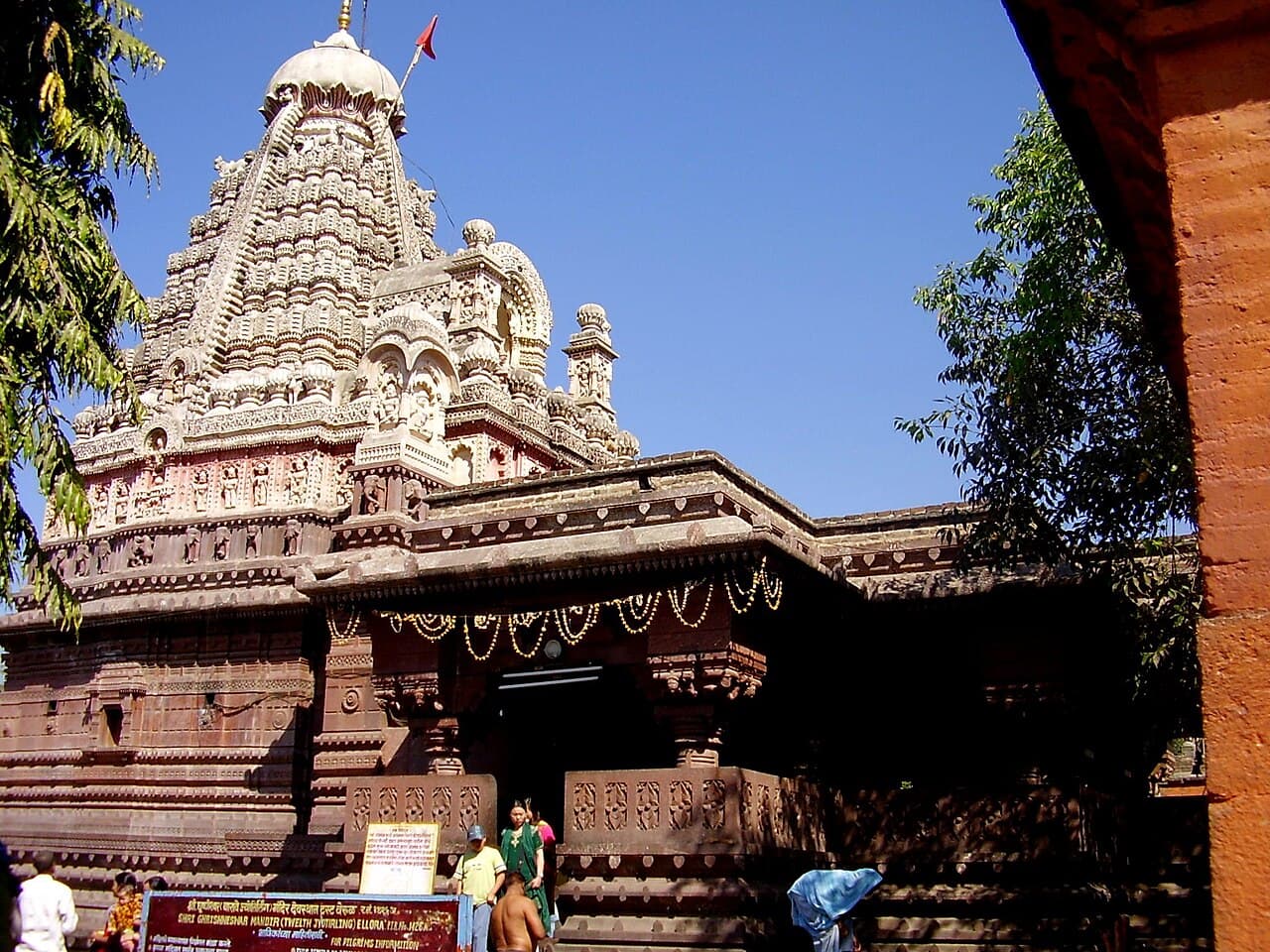
Grishneshwar
Ellora, Aurangabad, Maharashtra
The twelfth and final Jyotirlinga, beside the Ellora caves — a red-stone temple revived by Ahilyabai Holkar.
- 6~267 km aerial distance
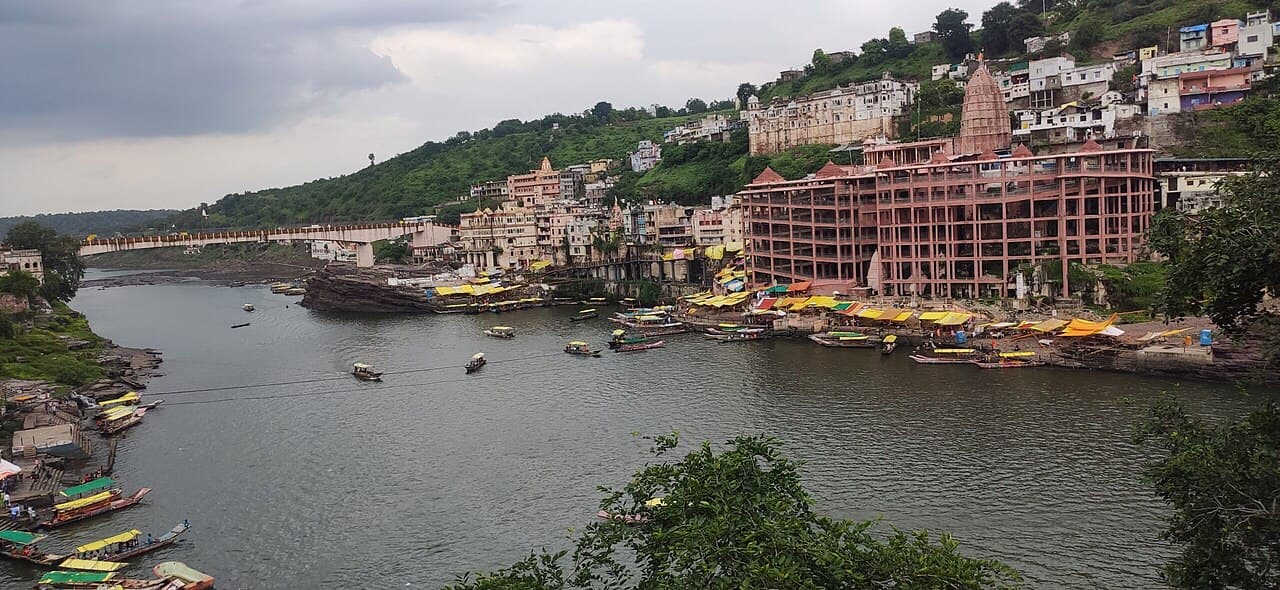
Omkareshwar
Khandwa, Madhya Pradesh
An island in the Narmada shaped like the sacred syllable ॐ, holding the Omkar Jyotirlinga.
- 7~111 km aerial distance
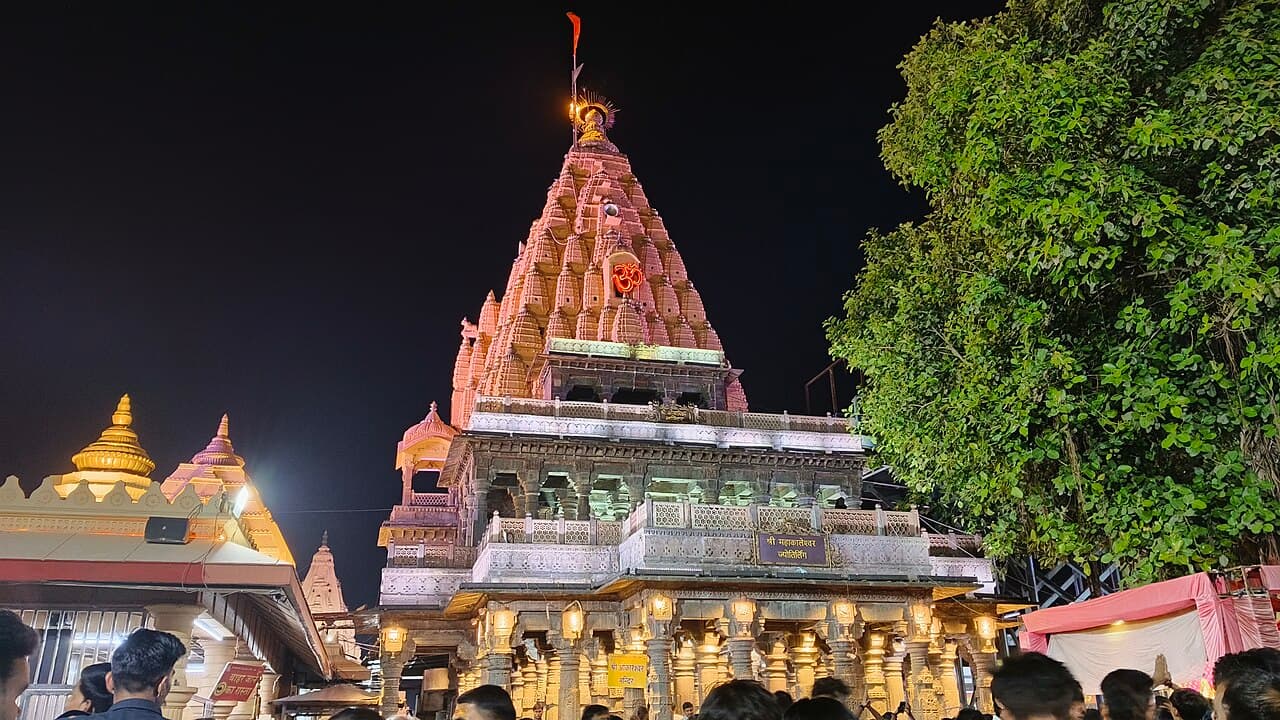
Mahakaleshwar
Ujjain, Madhya Pradesh
Ujjain's south-facing, self-manifested Lord of Time — the only Jyotirlinga woken each dawn with the famous Bhasma Aarti.
- 8~901 km aerial distance
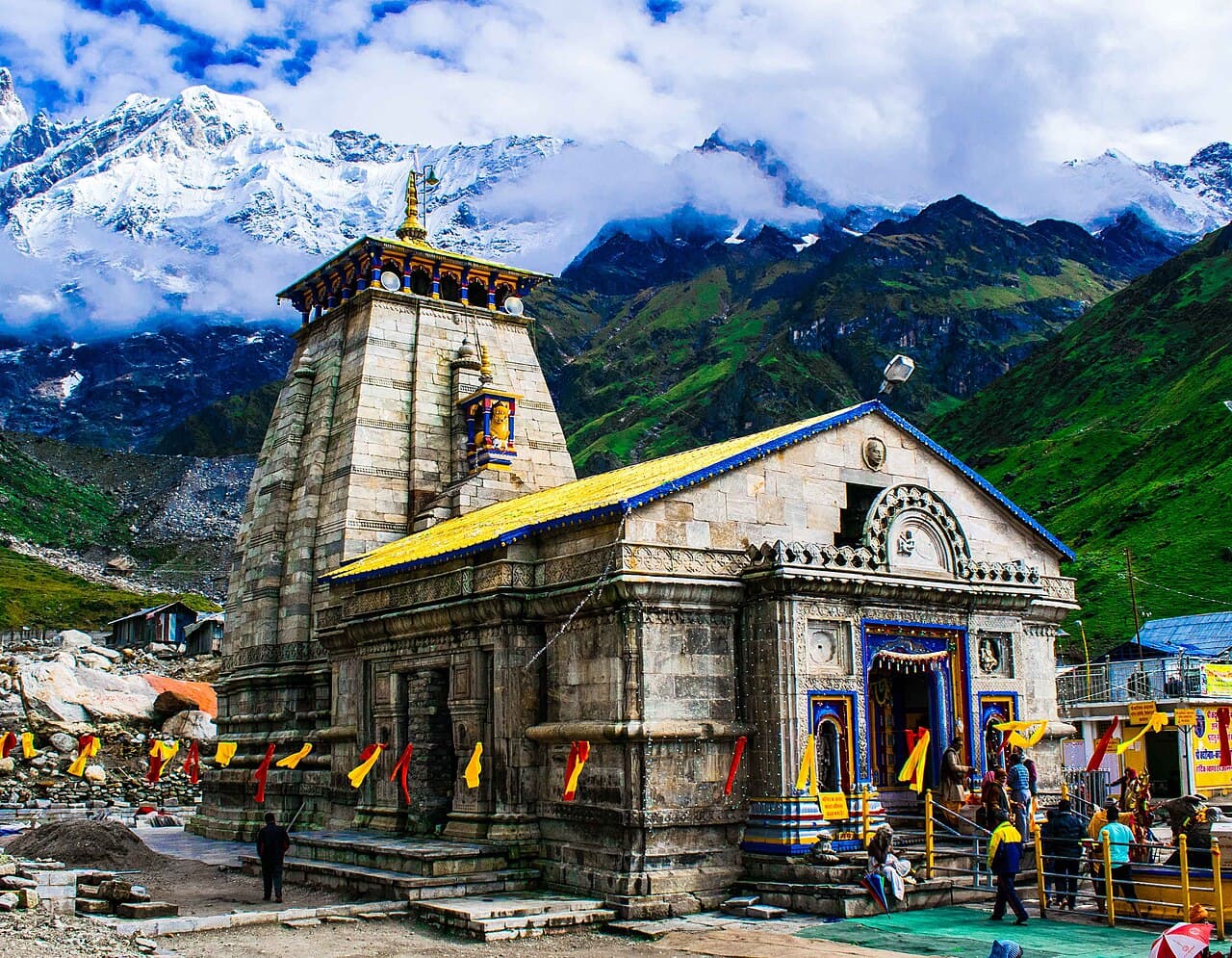
Kedarnath
Kedarnath, Uttarakhand
One of Shiva's most revered abodes — the highest of the twelve Jyotirlingas, at 3,583 m in the Garhwal Himalaya, open only half the year.
- 9~717 km aerial distance
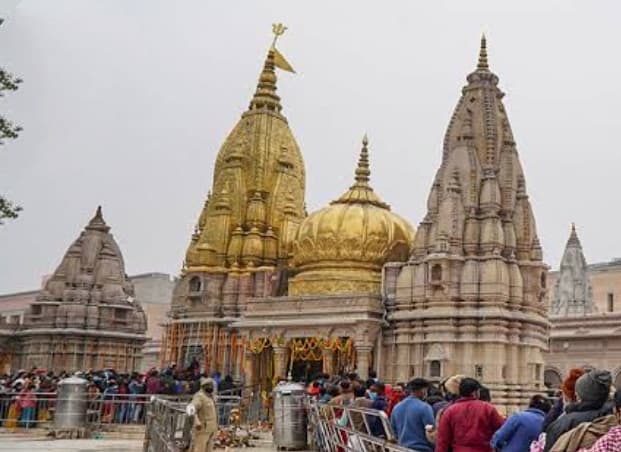
Kashi Vishwanath
Varanasi, Uttar Pradesh
The golden-spired Lord of Kashi on the Ganga at Varanasi — among the most revered of all Shiva shrines.
- 10~383 km aerial distance
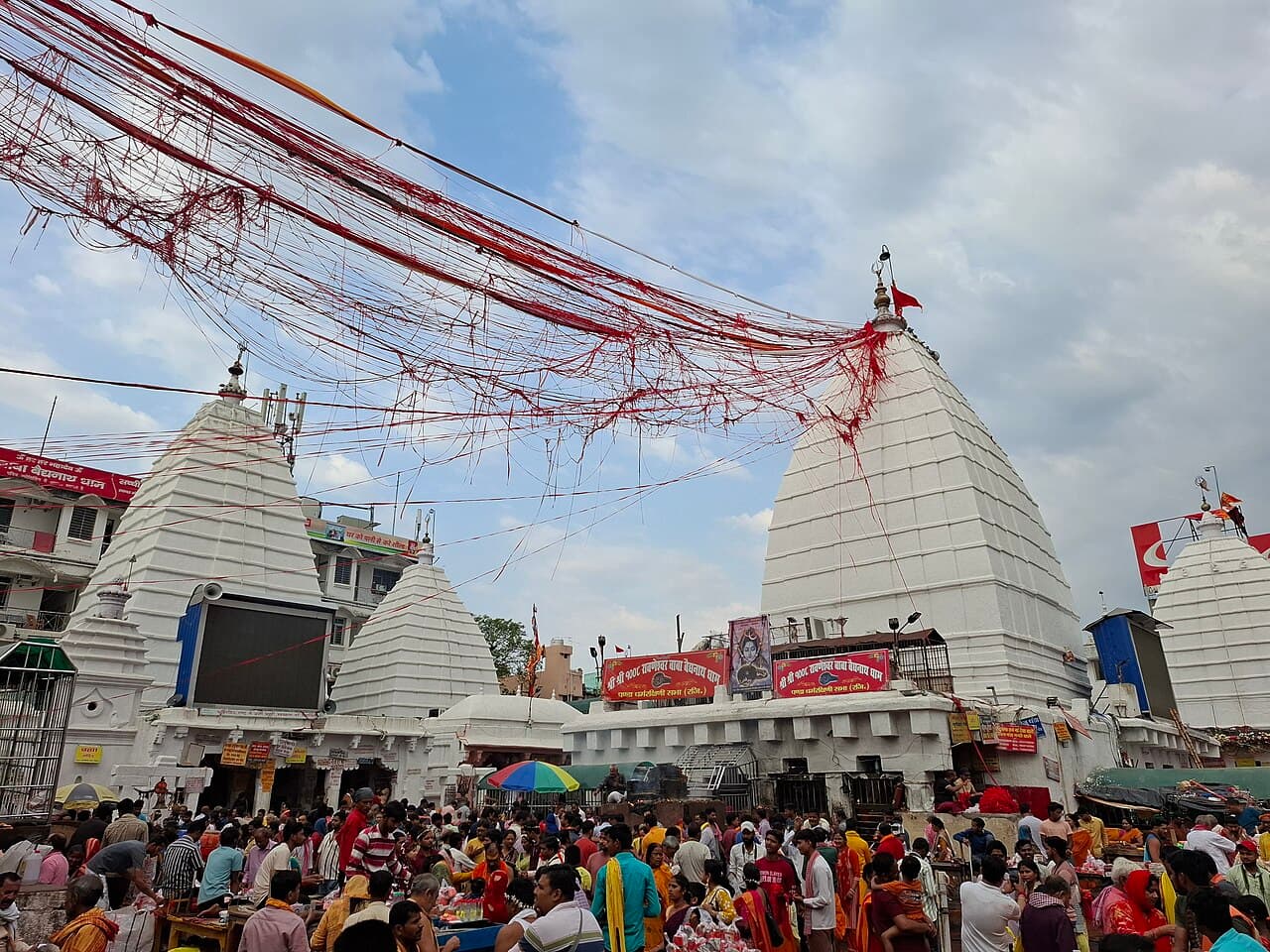
Vaidyanath (Baidyanath)
Deoghar, Jharkhand
Baba Baidyanath Dham at Deoghar — the 'divine physician', thronged by Kanwariyas through the month of Shravan.
- 11~1242 km aerial distance
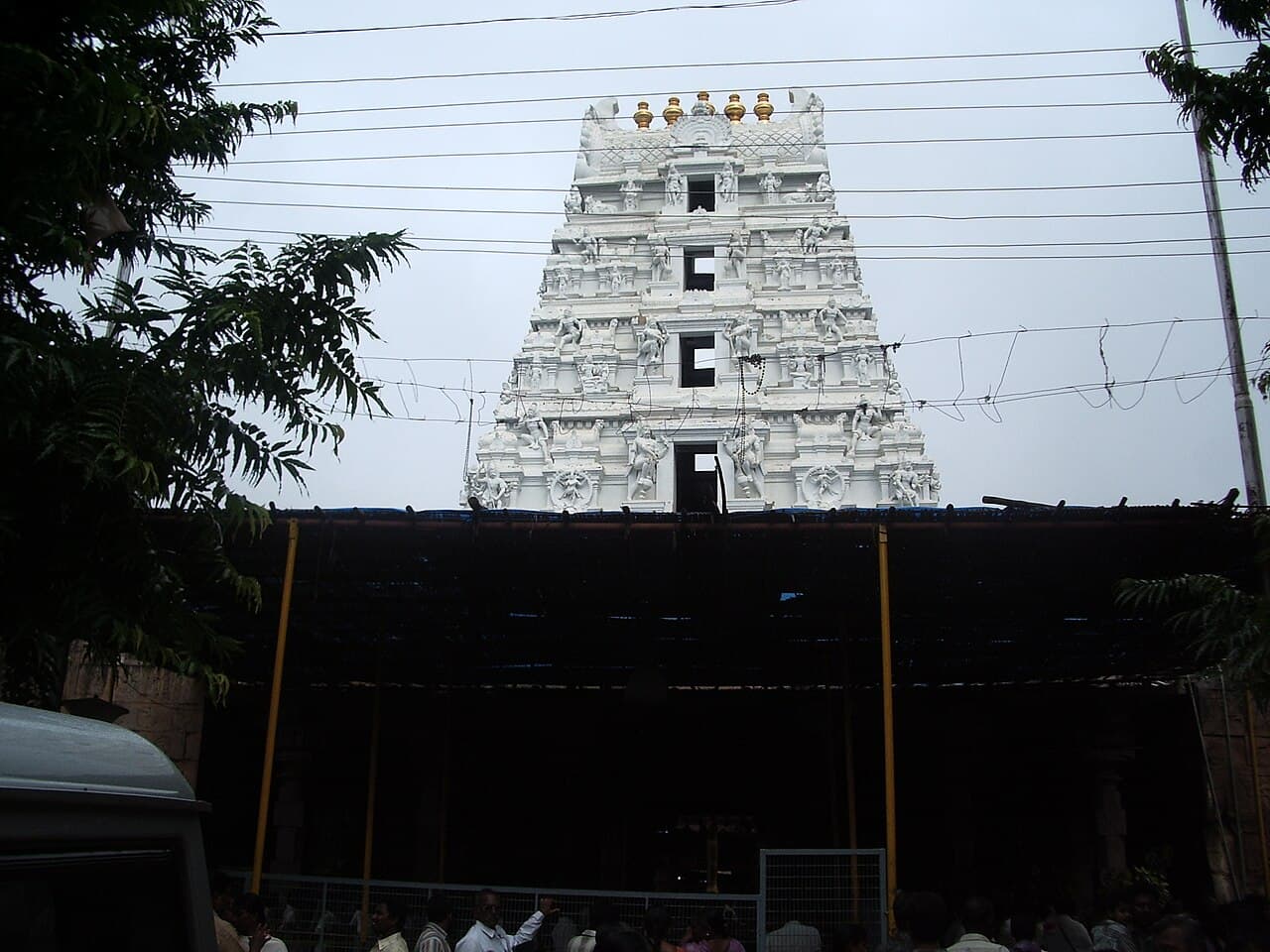
Mallikarjuna
Srisailam, Andhra Pradesh
The 'Kailash of the South' on the Nallamala hills — a rare site that is at once a Jyotirlinga and a Shakti Peetha.
- 12~756 km aerial distance

Ramanathaswamy (Rameshwaram)
Rameswaram, Tamil Nadu
Where Rama worshipped Shiva before crossing to Lanka — a Jyotirlinga and Char Dham with India's longest temple corridor.
Frequently Asked Questions
How many days does the 12 Jyotirlinga yatra take?
A single continuous yatra covering all twelve shrines by road and rail realistically takes three to four weeks, including travel days and the Kedarnath trek. Most pilgrims instead complete the circuit over several shorter trips — the Gujarat pair in about three to four days, the Maharashtra trio in four to five — spreading the twelve darshans across a few years.
Can the 12 Jyotirlingas be done in one trip?
Yes, with enough time and stamina. The key constraint is Kedarnath's season — the temple opens only from around late April–May to October–November — so a single continuous trip must fall within that window. Organized yatra tours and rail-based pilgrim itineraries exist; independent travellers usually combine trains or flights between clusters with local taxis for the temples.
Which Jyotirlinga should I visit first?
Tradition begins with Somnath in Gujarat, the first shrine named in the Dvadasha Jyotirlinga Stotra, and this route starts there too. There is no scriptural bar on a different order, though — pilgrims commonly begin with whichever cluster is nearest or easiest to reach, and many keep Rameshwaram or Kedarnath for the end as the culmination of the yatra.
What is the best season for the 12 Jyotirlinga yatra?
October to March suits most of the circuit, with pleasant weather across Gujarat, Maharashtra, Madhya Pradesh, and the south. Kedarnath is the exception — plan it for May–June or September–October, since the temple closes every winter. Avoid the Himalayan leg during the July–August monsoon, and expect very large crowds at Shiva temples during Sawan and around Mahashivratri.
What is the traditional order of the 12 Jyotirlingas?
The Dvadasha Jyotirlinga Stotra lists them as Somnath, Mallikarjuna, Mahakaleshwar, Omkareshwar, Vaidyanath, Bhimashankar, Rameshwaram, Nageshwar, Kashi Vishwanath, Trimbakeshwar, Kedarnath, and Grishneshwar. This is an order of recitation, not a prescribed travel route — practical itineraries, including this one, regroup the shrines geographically to minimise backtracking between distant states.