
Shakti Peethas
The seats where the body of Sati came to earth — the Peethas of the canonical reckonings, counted as eighteen, as fifty-one, and beyond.
11 TemplesThe Shakti Peethas are the seats of the Mother — the ground where, in the great katha of Daksha's yajna, the body of Sati came to earth. Daksha the Prajapati made a sacrifice and called every power in creation to it but his own daughter and her husband; Sati went unbidden, and finding Mahadev slighted before the assembled gods she would carry that body no further, and gave it up in the fire of her own yoga. Grief took Shiva then as nothing else has ever taken him: he lifted her upon his shoulder and wandered the worlds with her, and the worlds could not bear that wandering. To release him, Vishnu's Sudarshana chakra parted her form, and wherever a part of the Mother came down — a limb, the eyes, the tongue, the yoni, or an ornament she wore — that ground rose as a Peetha, charged with her presence and never ordinary again. At every seat she is worshipped under her own name, and with her stands her Bhairava, a form of Shiva keeping the gate; so a Peetha is not the memorial of a parting but the place where the two are met for good.
How many such seats there are has never been settled, and the tradition has never pretended otherwise. The Ashtadasha Shakti Peetha Stotram ascribed to Adi Shankaracharya names eighteen — the Maha Peethas, from Shankari in Lanka to Saraswati in Kashmir — and these are the ones a pilgrim is likeliest to hear counted first. The Pithanirnaya, also called the Mahapithanirupana, describes fifty-one, the number most often given today; in parts of Bengal the reckoning runs to fifty-two. The Brahmanda Purana names the chausath, the sixty-four; the Devi Bhagavata Purana carries a list of one hundred and eight; the Kalika Purana keeps a short list of seven, and the tantras their own — eighteen in the Kularnava, forty-two in the Kubjika. Regions count for themselves besides: the east holds four Adi Peethas, the primal seats, and Maharashtra its sade-tin, the three and a half. The lists differ from text to text and from region to region, and a shrine honoured in one may be absent from the next. What they agree upon is the Mother, and that where a Peetha stands she is present in her fullness.
This page holds the temples of MereMandir whose own standing is of that kind — a seat named in one of the canonical reckonings, with the fall of Sati that tradition attaches to it. Five are among the eighteen of the stotram: Kamakhya on Nilachal hill above the Brahmaputra, widely revered as the foremost of all the Peethas, where the yoni of the Mother came down; Jwala Ji of Kangra, where nine natural flames burn in the rock and there is no image at all; Jogulamba at Alampur by the Tungabhadra, traditionally counted the fifth; Kamakshi of Kanchipuram, whom the stotram names in its opening breath; and Mahalakshmi — Ambabai — of Kolhapur. With them stand Kalighat, the seat that gave Kolkata its name, and Tara Tarini on the Rushikulya, both counted in the east among the four Adi Peethas; Vindhyavasini on the Ganga, spoken of as a Shakti Peetha and, more often, as a Siddha Peetha, the goddess who chose her hill of her own will; Naina Devi above the waters of the Govind Sagar; and Saptashringi of Vani, held in Maharashtra as the ardha that closes the sade-tin. The Mother's land reaches far beyond these seats, and the great Devi homes that make no Peetha claim are gathered on their own tradition page here, as Devi.
The Pilgrimage Circuit
No single road joins them: the Peethas gathered here stand in eight states, from the Himalayan foothills to the Deccan and the Bay of Bengal, so pilgrims take them in regional legs rather than one drive — and the Shakti Peetha Yatra guide on MereMandir sets those legs in order. Of the reckonings, the eighteen of the Ashtadasha stotram are the set most often attempted whole. Navaratri, kept twice in the year, in Chaitra and in Sharad, is the season of every Peetha: nine nights of alankara, hawan and jagran, and the greatest darshan of the year.
Shakti Peethas Temples
See all on the map →A hand-researched beginning, not a full count — more great temples of this tradition are added as our research completes.
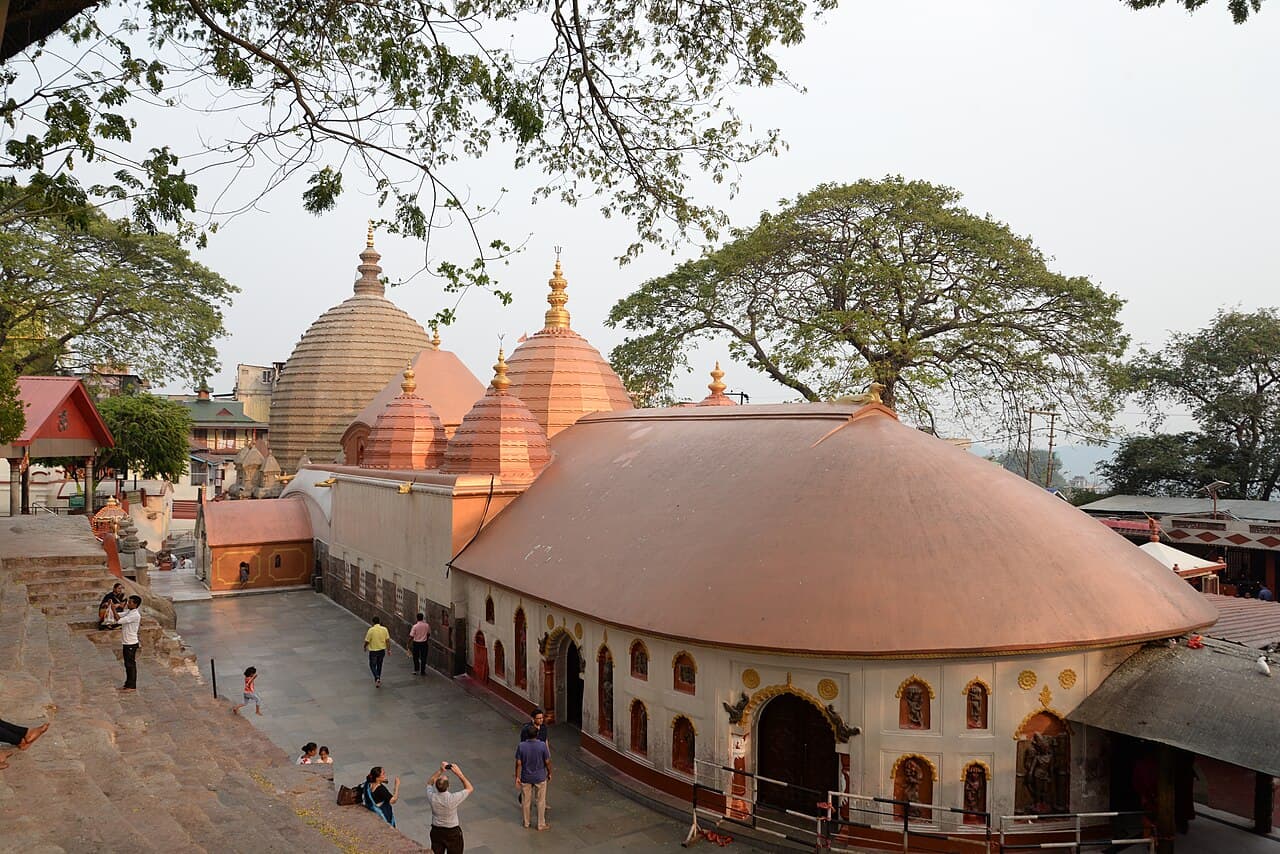
Kamakhya
Guwahati, Assam
The great Tantric seat on Nilachal Hill above the Brahmaputra — where the Goddess is worshipped as the yoni and is believed to menstruate each year.
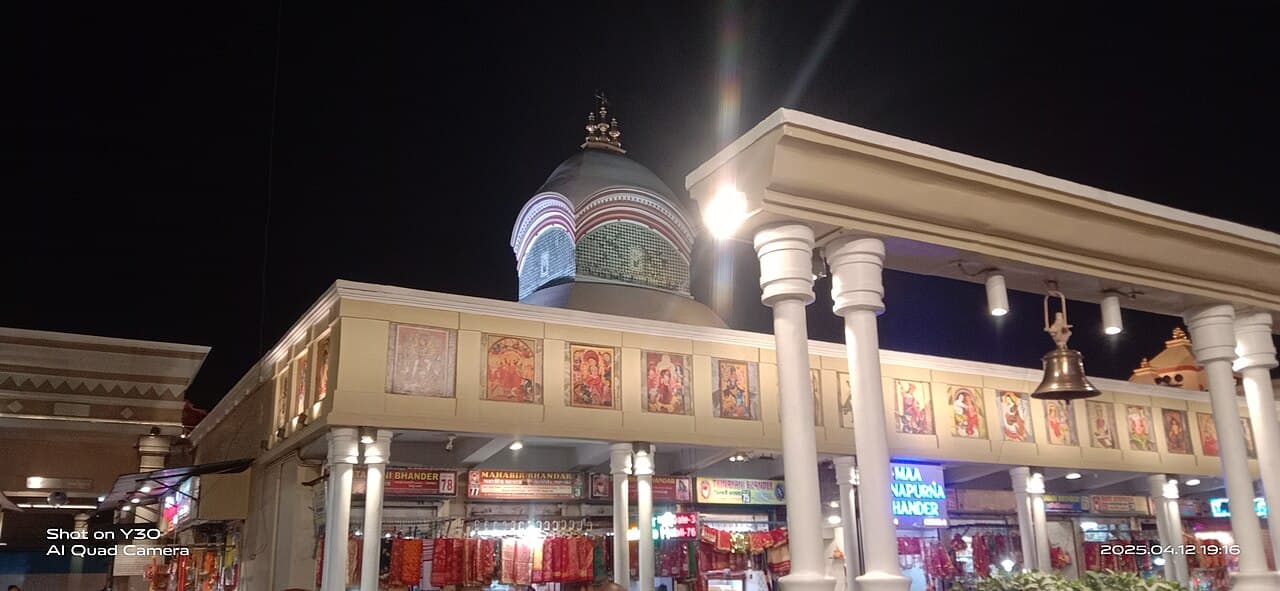
Kalighat
Kolkata, West Bengal
Kali's toe-fall on the Adi Ganga that gave Kolkata its name — the city's most revered Shakti Peetha, worshipped as Dakshina Kali.
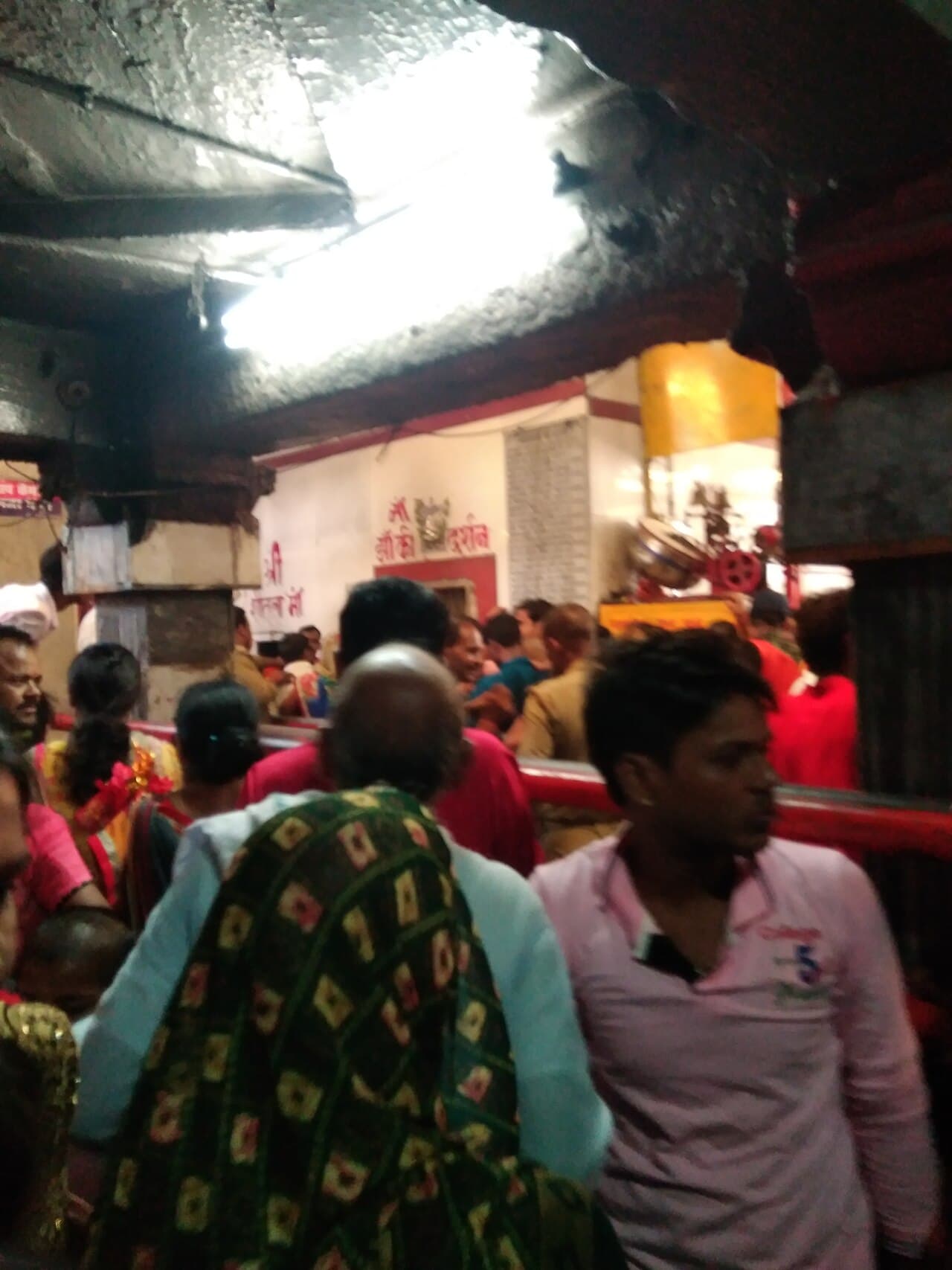
Vindhyavasini
Vindhyachal, Mirzapur, Uttar Pradesh
The ever-present Devi of the Vindhyas, on the Ganga at Vindhyachal — a great Shakti and Siddha Peetha thronged through Navaratri.

Jwala Ji
Kangra, Himachal Pradesh
The goddess as living flame — a temple with no idol, where eternal fires burn from the rock in the Kangra hills.
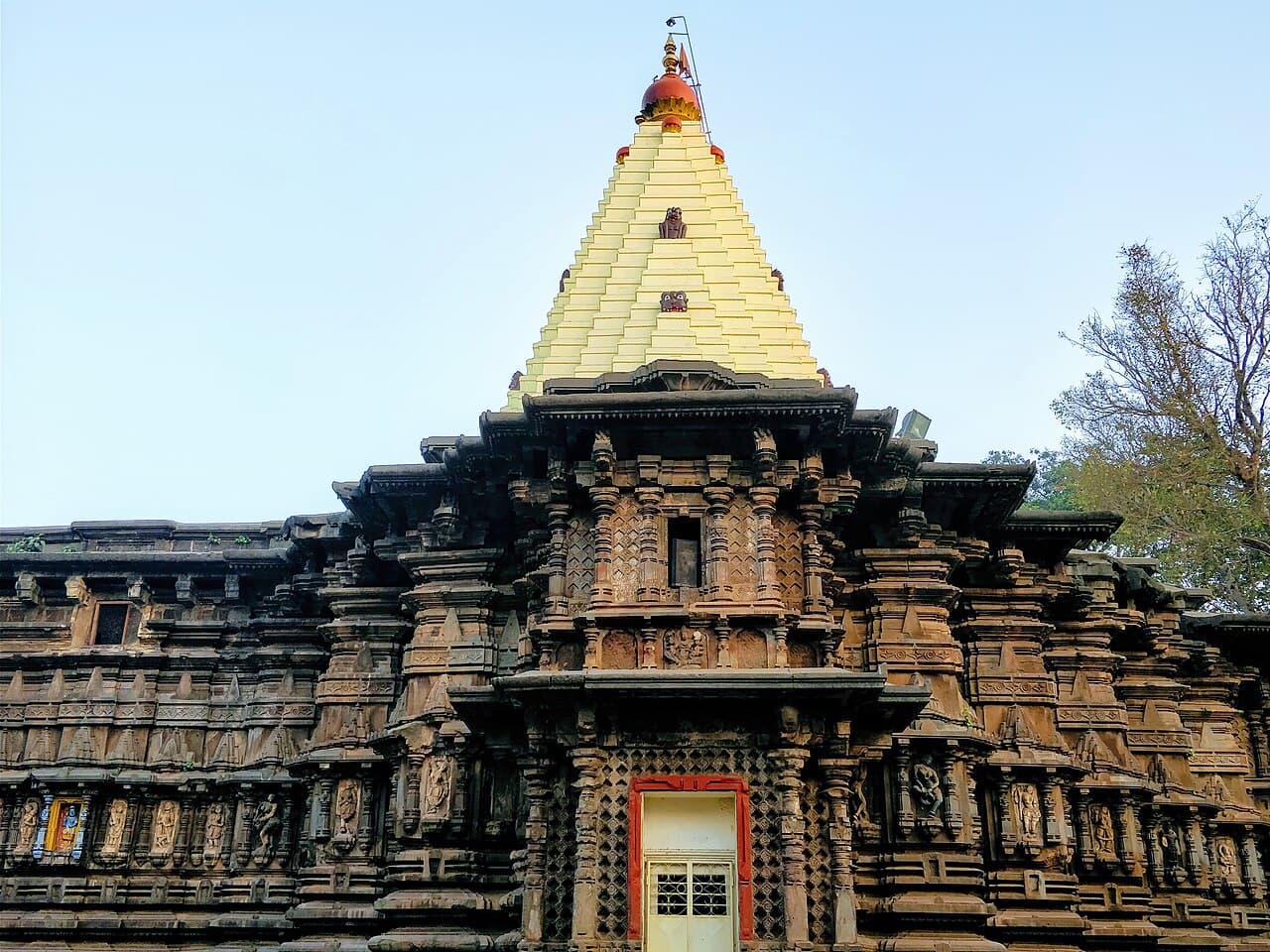
Mahalakshmi, Kolhapur
Kolhapur, Maharashtra
Ambabai of Kolhapur — the living Devi of Karvir, whom the setting sun itself comes to worship at the Kiranotsav.
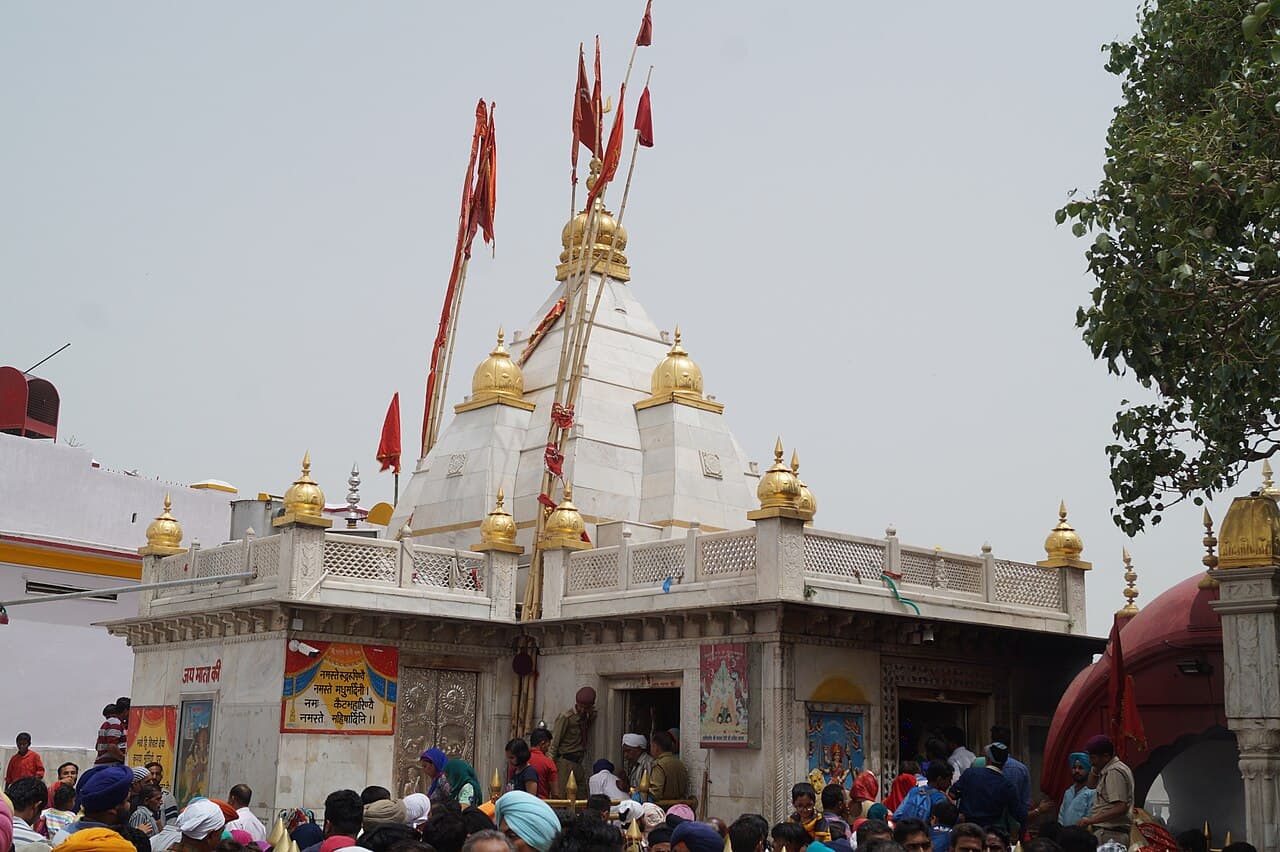
Naina Devi
Bilaspur, Himachal Pradesh
The hill-shrine where Sati's eyes are said to have fallen — Naina Devi, high in the Shivaliks above the Gobind Sagar.
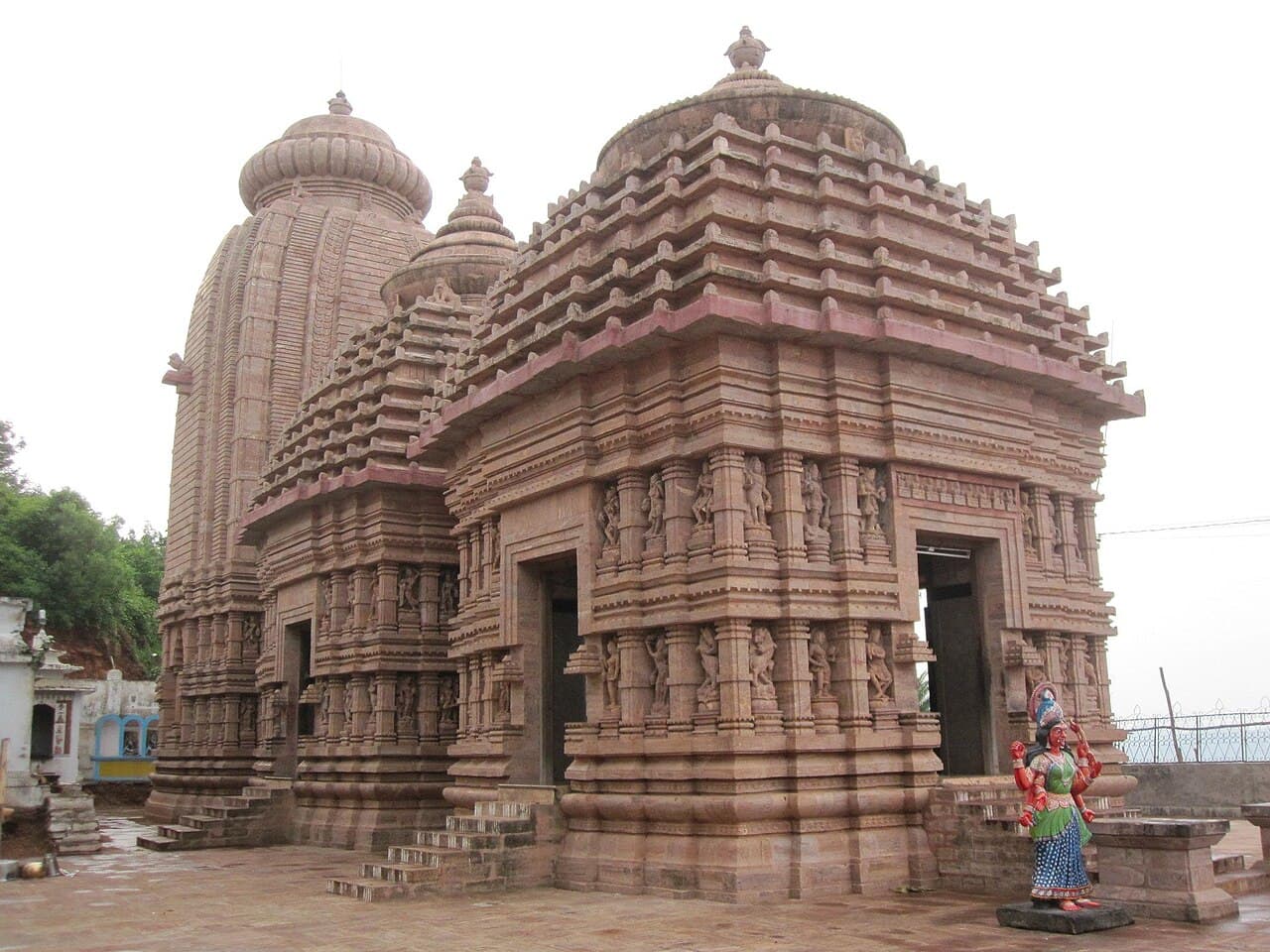
Tara Tarini
Ganjam, Odisha
The twin goddesses Tara and Tarini on the Kumari hill by the Rushikulya — one of the four Adi Shakti Peethas of tradition.

Jogulamba, Alampur
Alampur, Jogulamba Gadwal, Telangana
One of the eighteen Maha Shakti Peethas — the fierce Yogini Jogulamba at Alampur, by the Tungabhadra near its meeting with the Krishna.
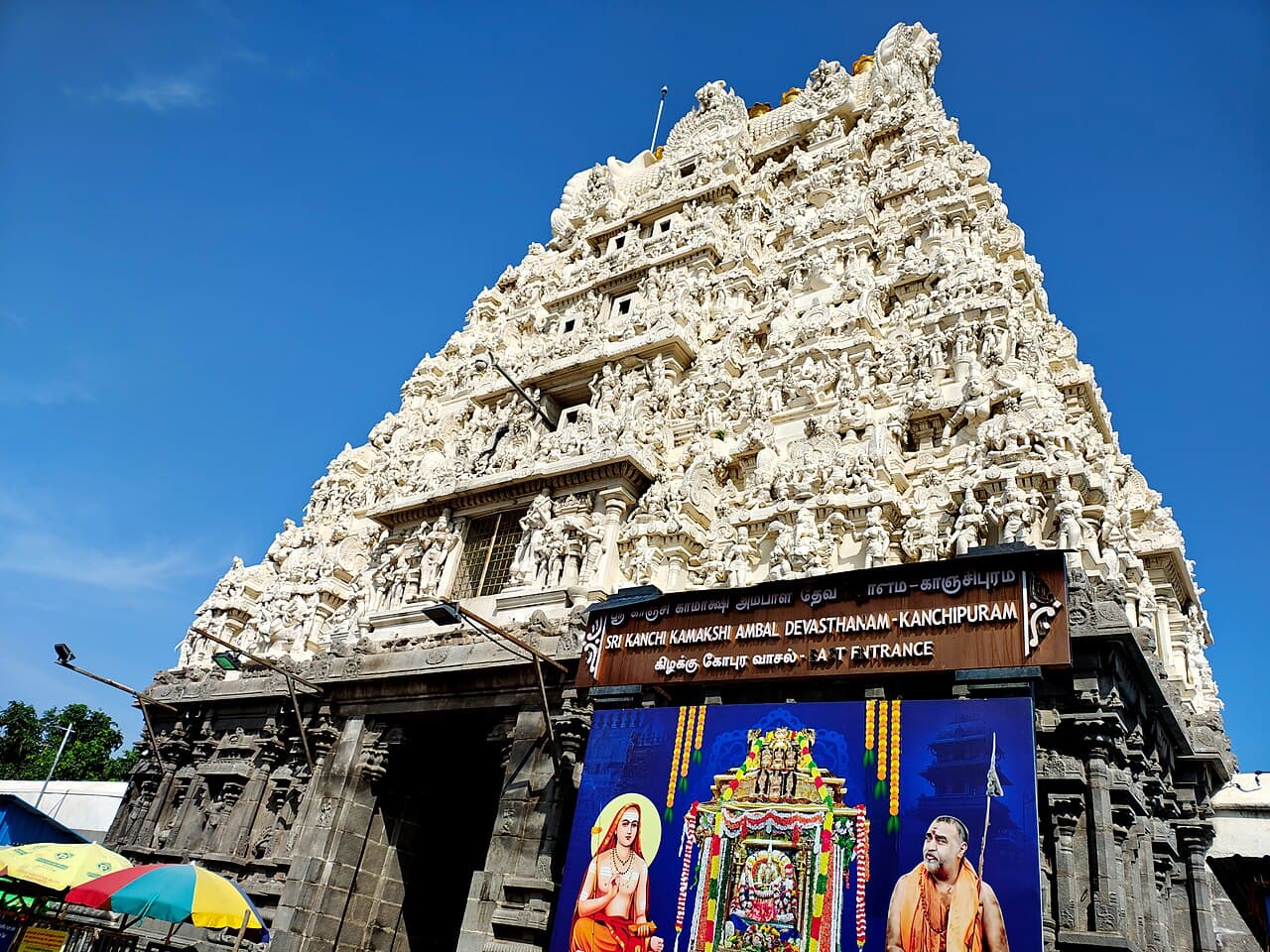
Kamakshi Amman, Kanchipuram
Kanchipuram, Tamil Nadu
The one Devi temple in a city of a thousand temples — where all the Shakti of Kanchipuram is held to gather, Kamakshi seated in lotus before the Sri Chakra.

Saptashringi, Vani
Vani, Nashik, Maharashtra
The eighteen-armed Mother in the living rock of a seven-peaked Sahyadri gad above Vani — Saptashringi Nivasini, held among the sade-tin Shakti Peethas of Maharashtra.
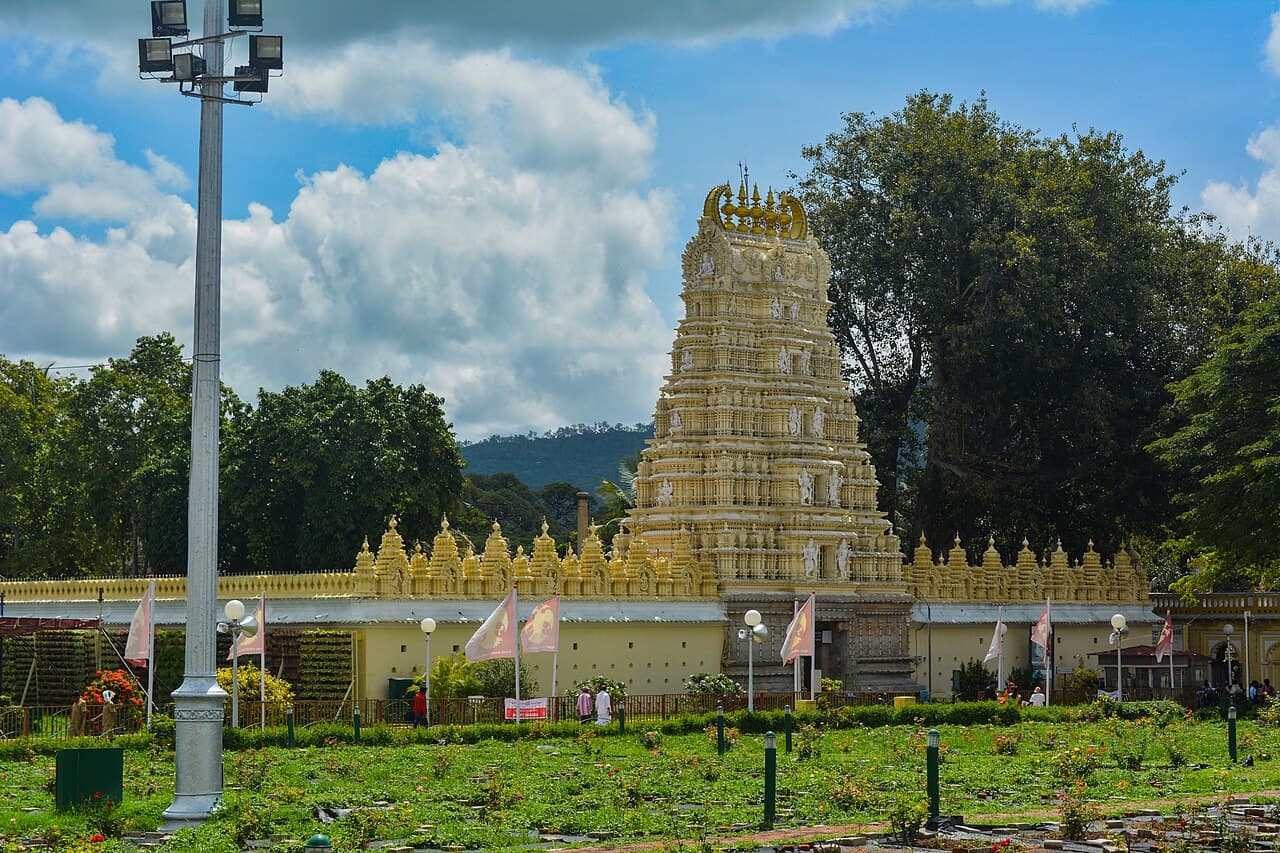
Sri Chamundeshwari, Mysuru
Chamundi Hill, Mysuru, Karnataka
Mahishasuramardini on the hill that gave Mysuru its name — kuladevi of the Wodeyars, presiding Mother of the city below, and the Devi whose Dasara Karnataka keeps as its Nada Habba.
Frequently Asked Questions
What is a Shakti Peetha?+
A Shakti Peetha is a seat of the Mother — ground where a part of the body of Sati is held to have come to earth after Daksha's yajna, so that the place is charged with her presence for ever. Each Peetha worships the Devi under her own name and keeps her Bhairava, a form of Shiva, at the gate; the two are named together in the Peetha lists.
How many Shakti Peethas are there?+
The reckonings differ, and always have. The Ashtadasha Shakti Peetha Stotram ascribed to Adi Shankaracharya names eighteen Maha Peethas; the Pithanirnaya, also called the Mahapithanirupana, describes fifty-one — the count most often given today — and parts of Bengal reckon fifty-two. The Brahmanda Purana names sixty-four, the chausath; the Devi Bhagavata Purana carries a list of one hundred and eight; the Kalika Purana keeps a short list of seven, and the tantras their own, eighteen in the Kularnava and forty-two in the Kubjika. Regions count for themselves too — four Adi Peethas in the east, the sade-tin of Maharashtra.
What is the legend behind the Shakti Peethas?+
Daksha the Prajapati held a sacrifice and invited every power but his daughter Sati and her husband Mahadev. Sati went unbidden, and finding Shiva slighted she gave up her body in the fire of her own yoga. Shiva bore her upon his shoulder through the worlds in his grief until Vishnu's Sudarshana chakra parted her form; wherever a part of the Mother came down, that ground became a Peetha where she resides with her Bhairava.
Which temples on MereMandir are Shakti Peethas — and where are the other Devi temples?+
This page holds the shrines whose entries carry a canonical Peetha standing: Kamakhya, Kalighat, Vindhyavasini, Jwala Ji, Mahalakshmi of Kolhapur, Naina Devi, Tara Tarini, Jogulamba of Alampur, Kamakshi of Kanchipuram and Saptashringi of Vani. The great Devi homes that make no such claim — Vaishno Devi, Annapurna of Kashi, Dakshineswar, Meenakshi of Madurai, Chamunda of Kangra, Surkanda Devi and Mahamaya of Ratanpur — are gathered under Devi, the wider tradition page, so that the Peetha canon is kept exact and neither company is diminished.
When is the best time to visit a Shakti Peetha?+
Navaratri, kept twice a year in Chaitra and in Sharad, is the most auspicious and the most alive time at every Peetha — special alankaras, continuous hawan and night-long jagran — and also the most crowded, so lodging is best arranged well ahead. October to March is the kindest season across the plains, and the hill shrines are at their best outside the deep monsoon.