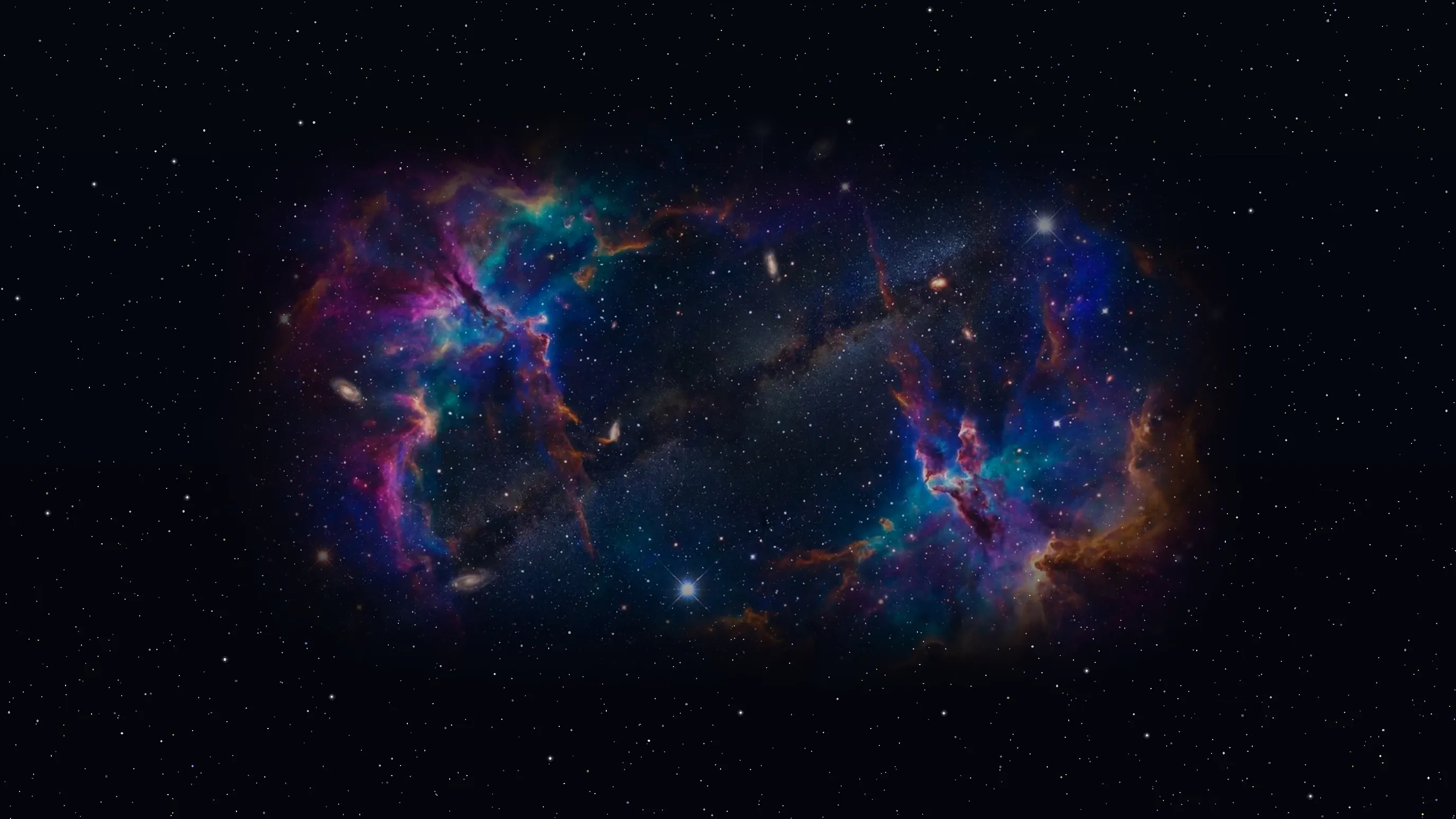
Char Dham
The four divine abodes whose darshan completes a Hindu's earthly pilgrimage.
4 TemplesThe Char Dham — 'the four abodes' — are among the most sacred pilgrimage sites of Hinduism, defined in tradition by Adi Shankaracharya in the 8th century as the cardinal points of a single all-India yatra: Badrinath in the north, Dwarka in the west, Puri in the east and Rameshwaram in the south.
Together they weave the subcontinent into one sacred circle, spanning the worship of Vishnu in his many forms — Badrinarayan in the Himalaya, Krishna at Dwarka, Jagannath at Puri — and Shiva at Rameshwaram, where Lord Rama himself worshipped. To complete the Char Dham is held to bring liberation, the fulfilment of a lifetime of devotion.
The grand national Char Dham is distinct from the Chota (smaller) Char Dham of Uttarakhand — Yamunotri, Gangotri, Kedarnath and Badrinath — a Himalayan circuit that shares Badrinath with the larger four.
The Pilgrimage Circuit
The four are traditionally circled clockwise across the subcontinent: Badrinath in the north, Puri in the east, Rameshwaram in the south and Dwarka in the west.
Char Dham Temples
See all on the map →A hand-researched beginning, not a full count — more great temples of this tradition are added as our research completes.

Ramanathaswamy (Rameshwaram)
Rameswaram, Tamil Nadu
Where Rama worshipped Shiva before crossing to Lanka — a Jyotirlinga and Char Dham with India's longest temple corridor.
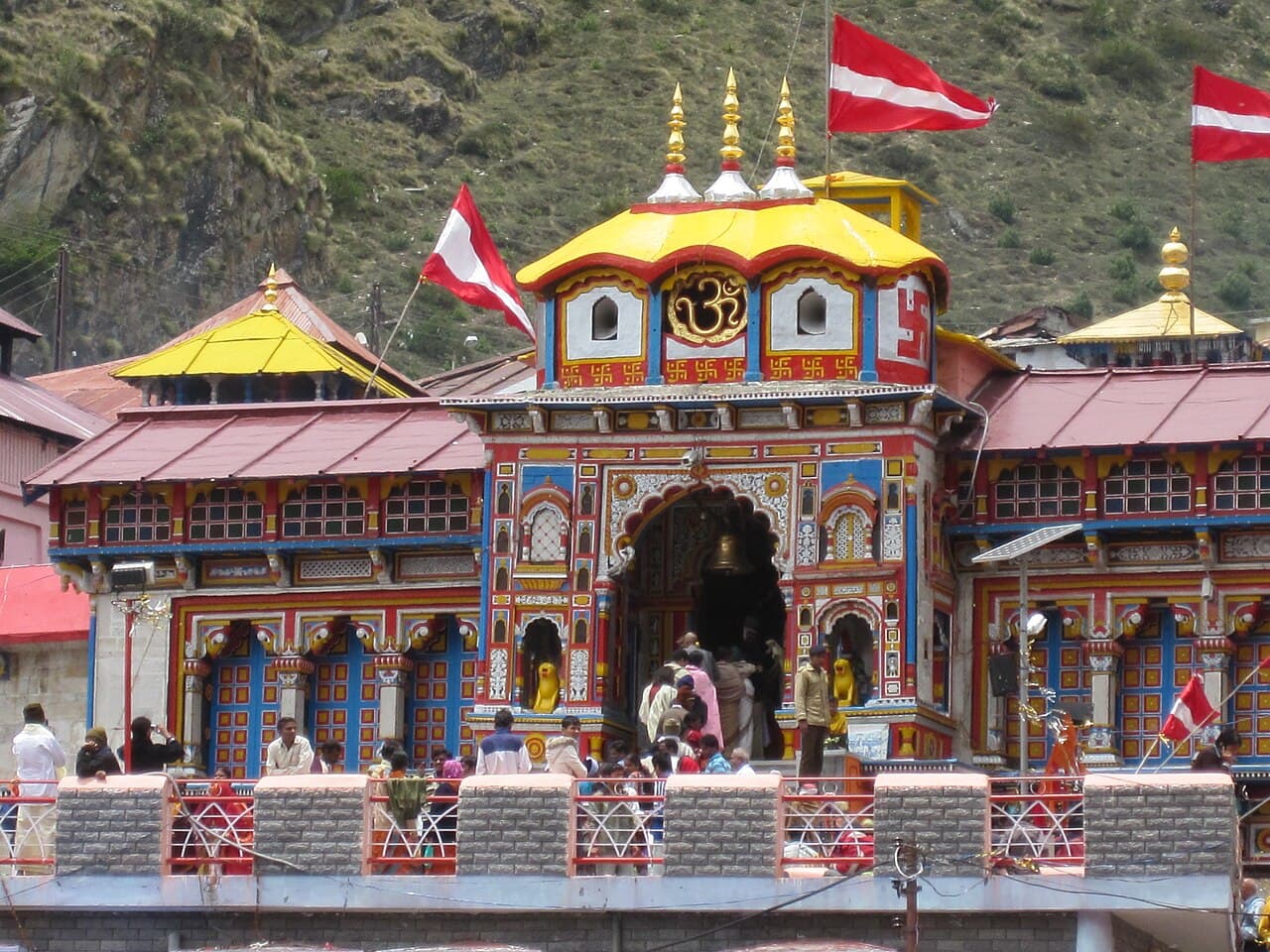
Badrinath
Chamoli, Uttarakhand
Vishnu as Badrinarayan in the high Himalaya — the northern seat of the Char Dham, on the Alaknanda between the Nar and Narayan peaks.
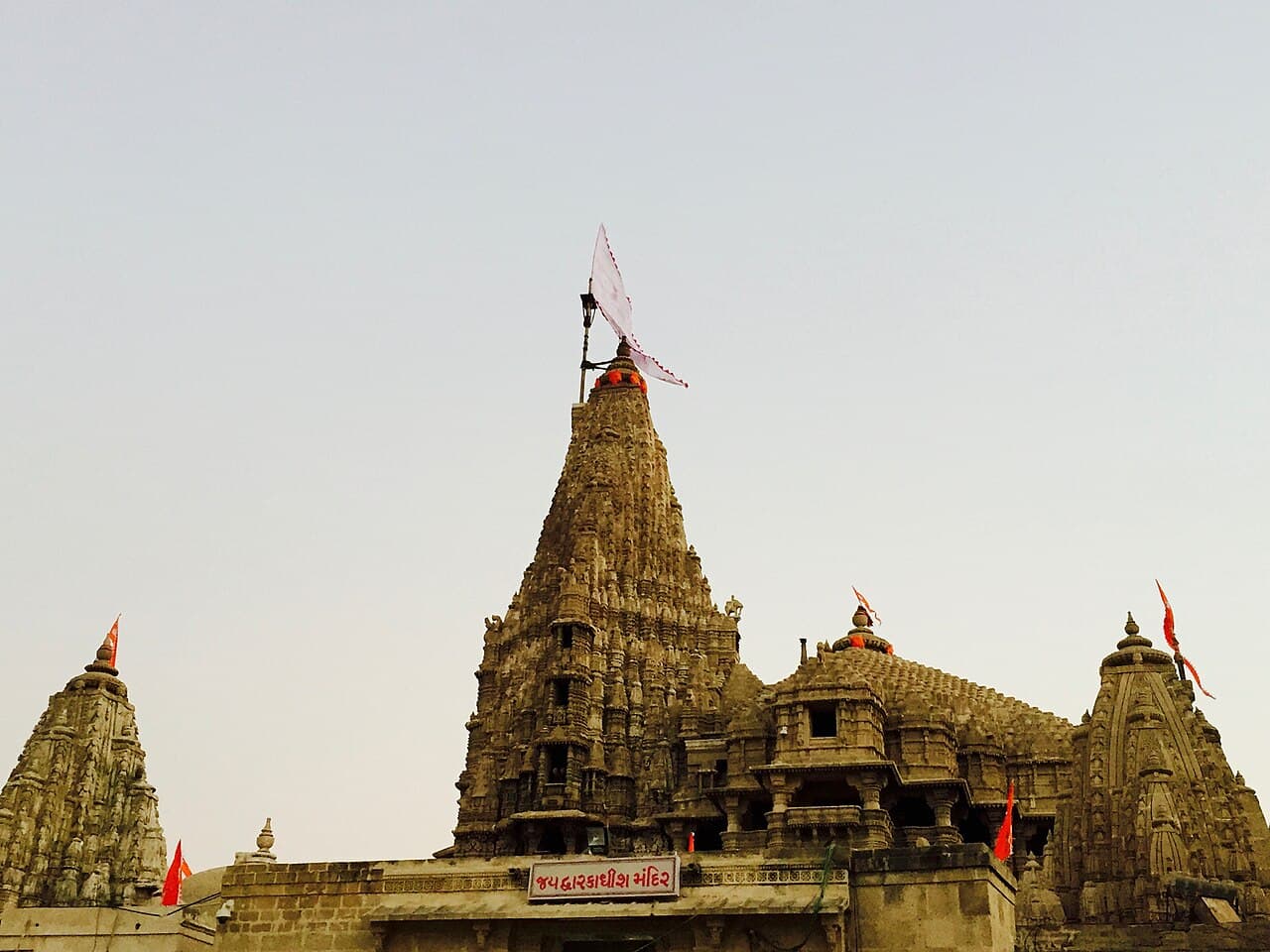
Dwarkadhish
Dwarka, Gujarat
Krishna's fabled sea-kingdom of Dwarka — the western seat of the Char Dham, rising in five storeys above the Gomti.
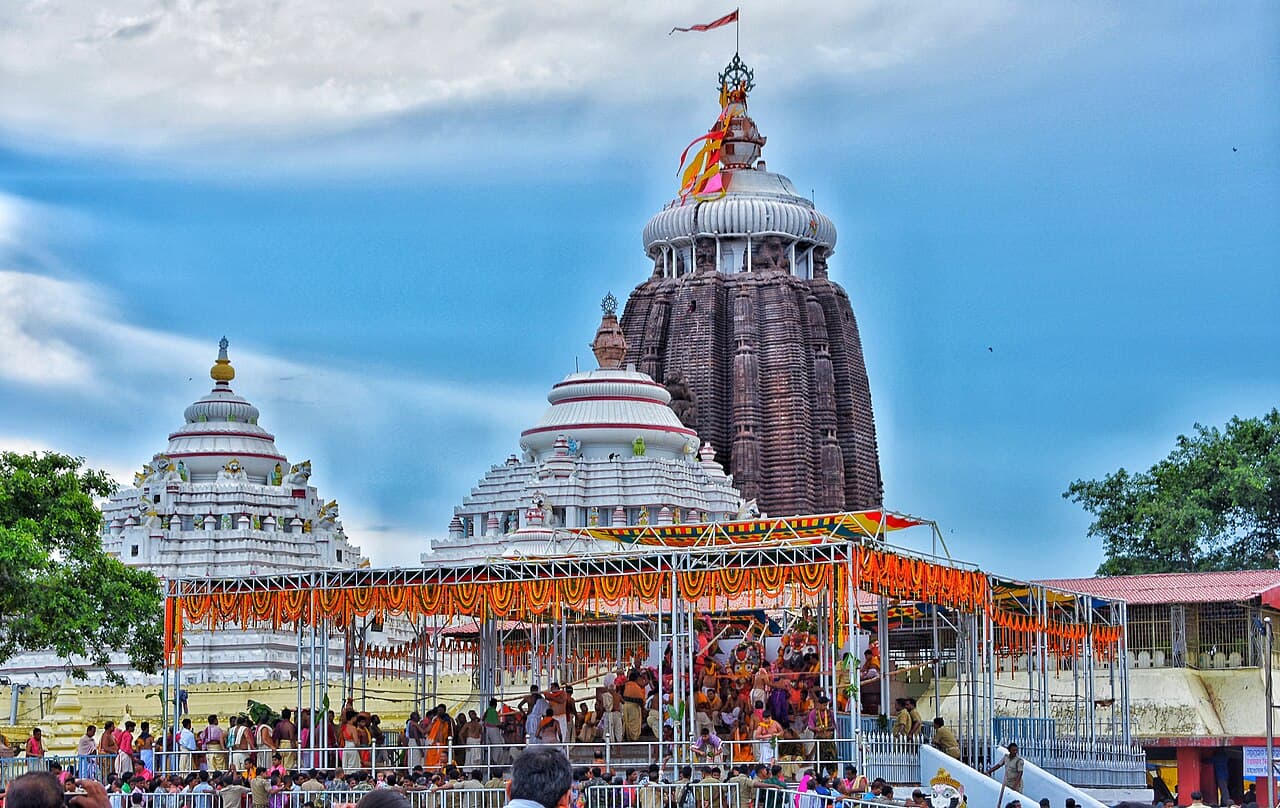
Jagannath Puri
Puri, Odisha
Lord Jagannath of Puri — the eastern seat of the Char Dham, famed for the world's grandest Rath Yatra.
Frequently Asked Questions
What are the Char Dham?+
The Char Dham are four sacred abodes — Badrinath, Dwarka, Puri and Rameshwaram — established by Adi Shankaracharya as the cardinal points of an all-India pilgrimage.
What is the difference between the Char Dham and the Chota Char Dham?+
The national Char Dham spans the four corners of India, while the Chota Char Dham is a Himalayan circuit in Uttarakhand — Yamunotri, Gangotri, Kedarnath and Badrinath.
Which deities are worshipped at the Char Dham?+
Three honour Vishnu — Badrinarayan at Badrinath, Krishna at Dwarka and Jagannath at Puri — while Rameshwaram honours Shiva.
Why are the Char Dham important?+
Completing the Char Dham yatra is believed to wash away sins and grant moksha, and is regarded as the culmination of a devout Hindu's pilgrimage.