
Ashtavinayaka
The eight self-manifested shrines of Lord Ganesha among the hills of Maharashtra.
8 TemplesThe Ashtavinayaka — 'the eight Ganeshas' — are eight ancient and revered shrines of Lord Ganesha, all set within the Deccan landscape of Maharashtra around Pune. Each enshrines a swayambhu (self-manifested) idol with its own distinct form, legend and name.
Together they form a much-loved pilgrimage circuit. Devotees traditionally begin and end at Mayureshwar in Morgaon, visiting all eight in a set order — each murti differing in the turn of its trunk, its posture and the story of how Ganesha appeared there to vanquish a demon or bless a devotee.
The eight are Mayureshwar (Morgaon), Siddhivinayak (Siddhatek), Ballaleshwar (Pali), Varadvinayak (Mahad), Chintamani (Theur), Girijatmaj (Lenyadri), Vighnahar (Ozar) and Mahaganapati (Ranjangaon) — a garland of shrines binding the Ganesha devotion of Maharashtra.
The Pilgrimage Circuit
The traditional yatra begins and ends at Mayureshwar (Morgaon), visiting in order: Mayureshwar, Siddhivinayak, Ballaleshwar, Varadvinayak, Chintamani, Girijatmaj, Vighnahar and Mahaganapati.
Ashtavinayaka Temples
See all on the map →A hand-researched beginning, not a full count — more great temples of this tradition are added as our research completes.
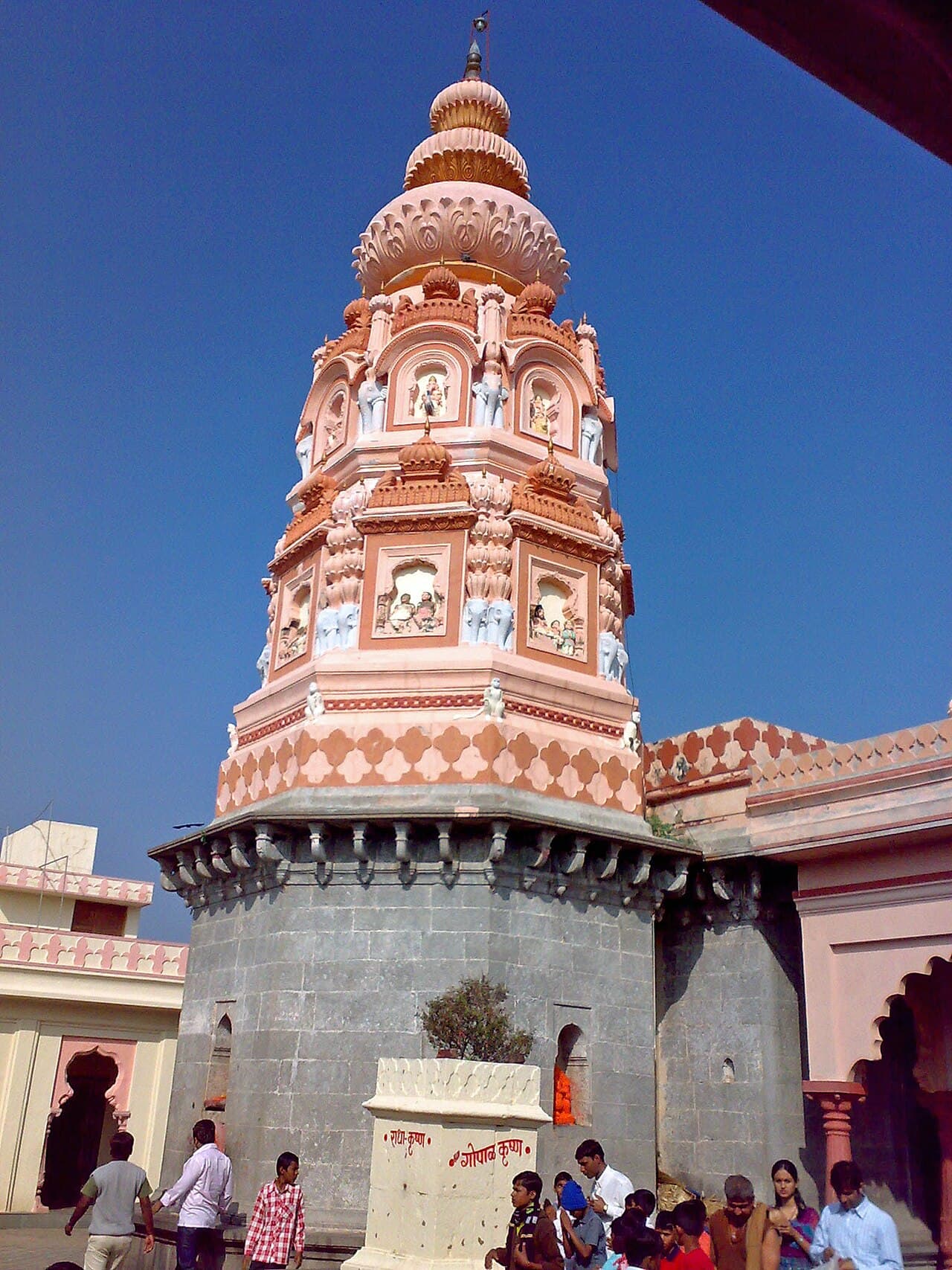
Mayureshwar, Morgaon
Morgaon, Pune, Maharashtra
The first and last bow of the Ashtavinayak yatra — where Ganesha, riding his peacock, slew the demon Sindhu at Morgaon on the Karha.
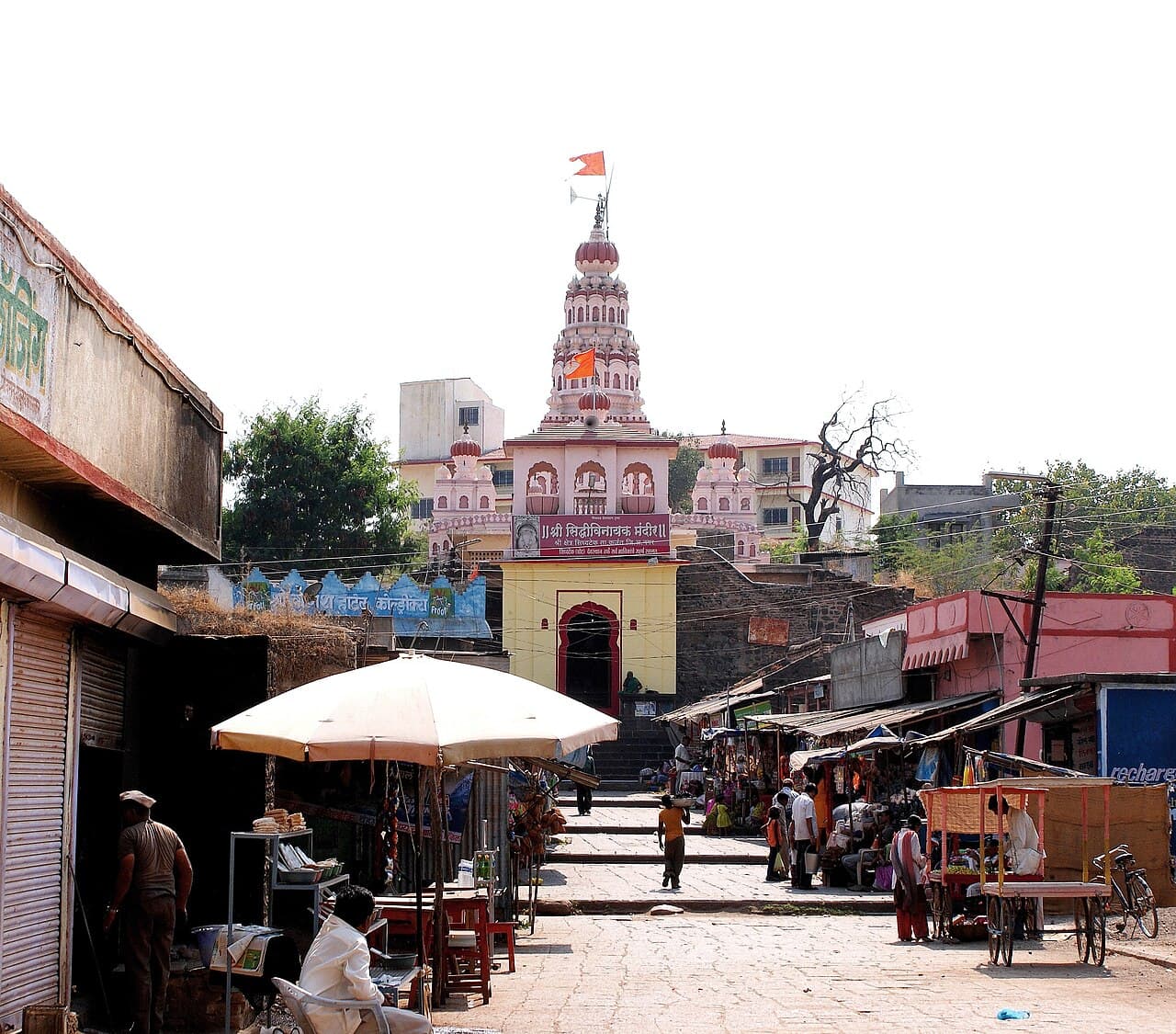
Siddhivinayak, Siddhatek
Siddhatek, Ahilyanagar, Maharashtra
The only right-trunked Ganesha of the eight — Siddhivinayak on a hill above the Bhima, the giver of siddhi, attainment.
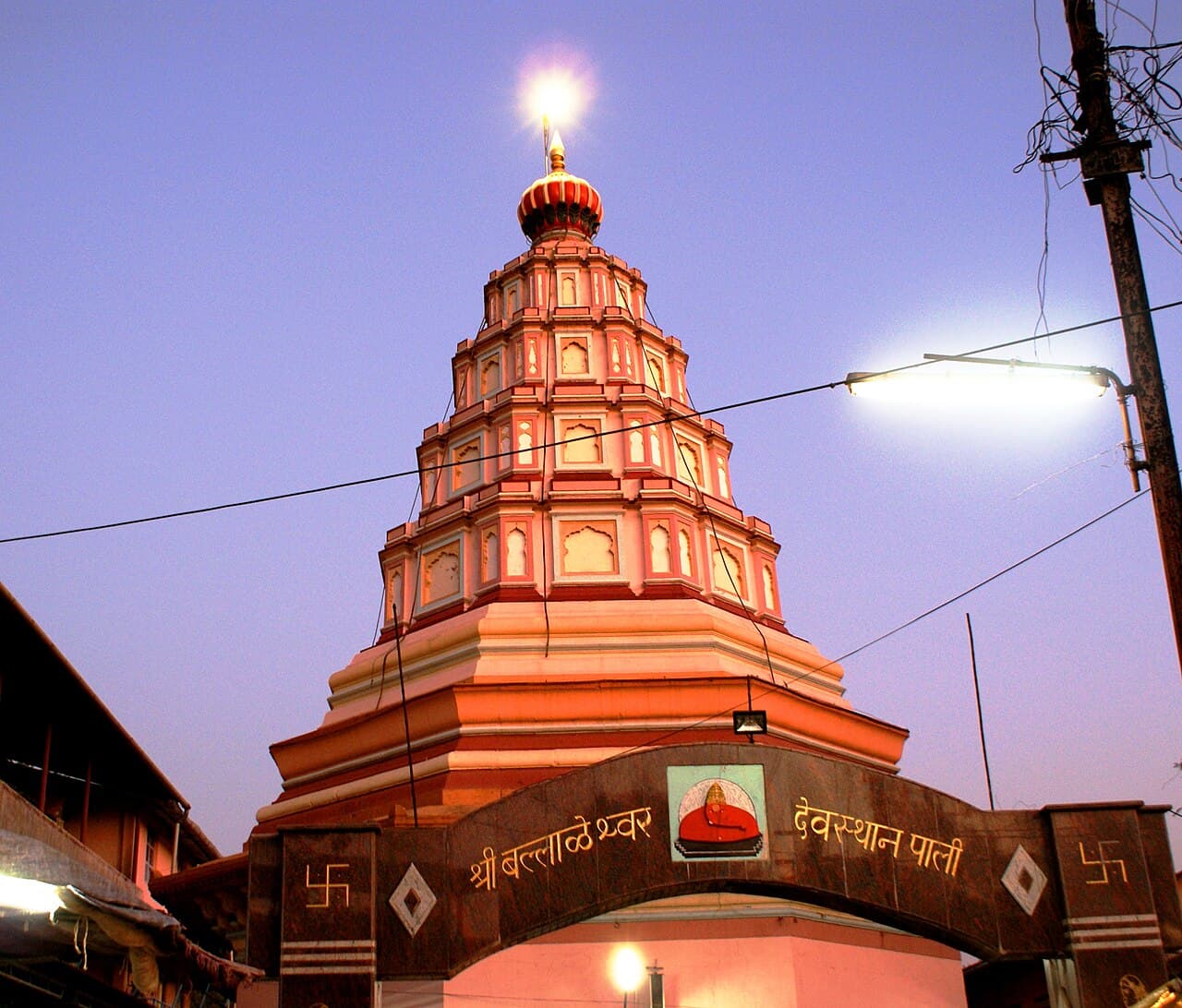
Ballaleshwar, Pali
Pali, Raigad, Maharashtra
The only Ashtavinayak named for a devotee — the child Ballal — set between Sarasgad fort and the Amba, its prasad the besan laddoo.
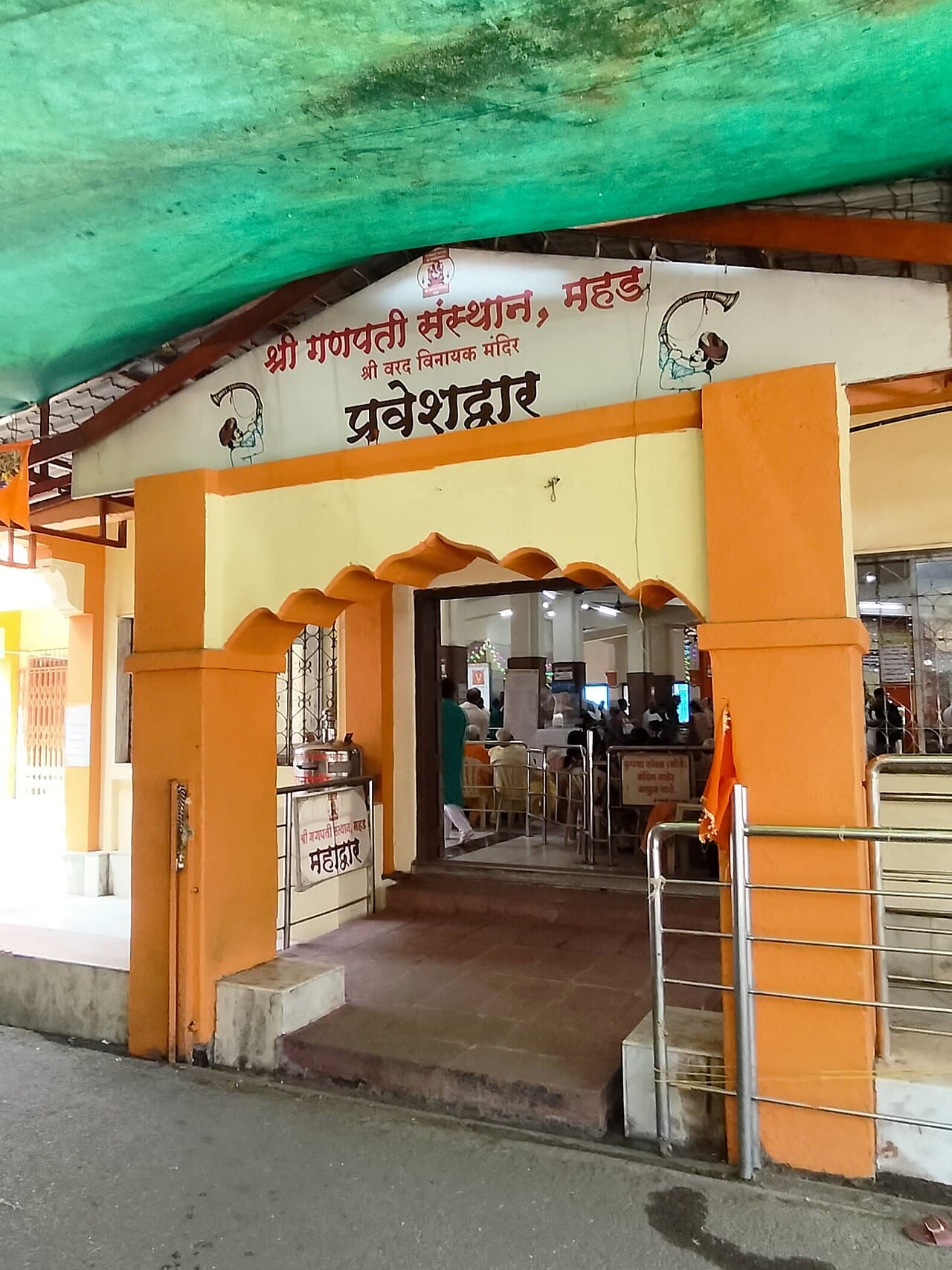
Varadvinayak, Mahad
Mahad, Raigad, Maharashtra
The boon-giver of the eight — Varadvinayak of Mahad village, where a Nandadeep lamp is said to have burned since 1892.
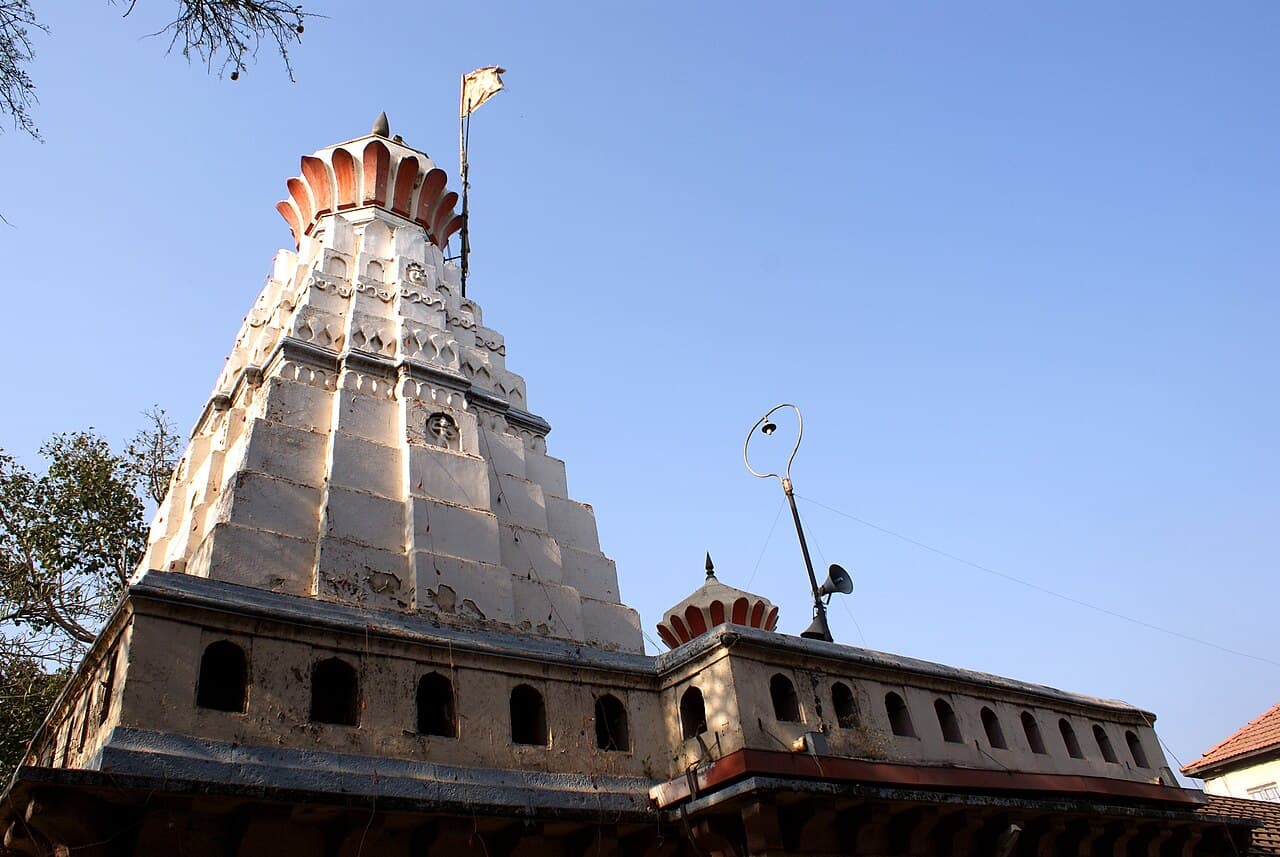
Chintamani, Theur
Theur, Pune, Maharashtra
The Ganesha who stills the restless mind — the fifth Ashtavinayak, on the river-meet at Theur and a cherished shrine of the Peshwas.
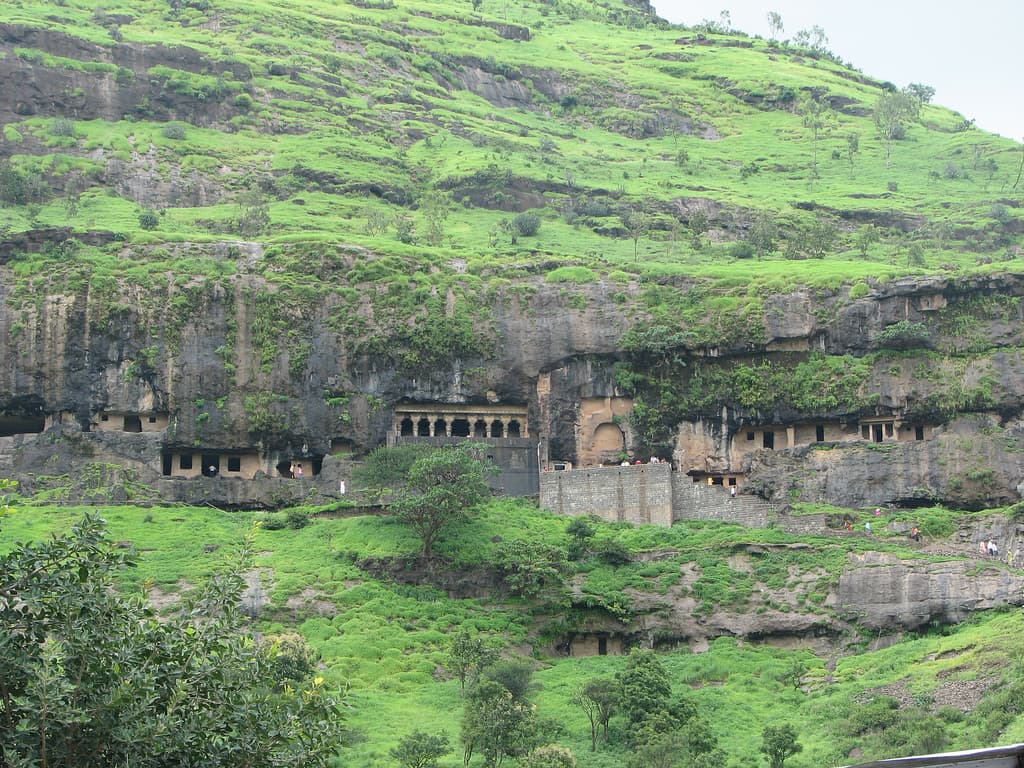
Girijatmaj, Lenyadri
Lenyadri, Pune, Maharashtra
The only hill-and-cave Ganesha of the eight — Girija's son, enshrined in an ancient rock-cut Buddhist vihara above the Kukadi.
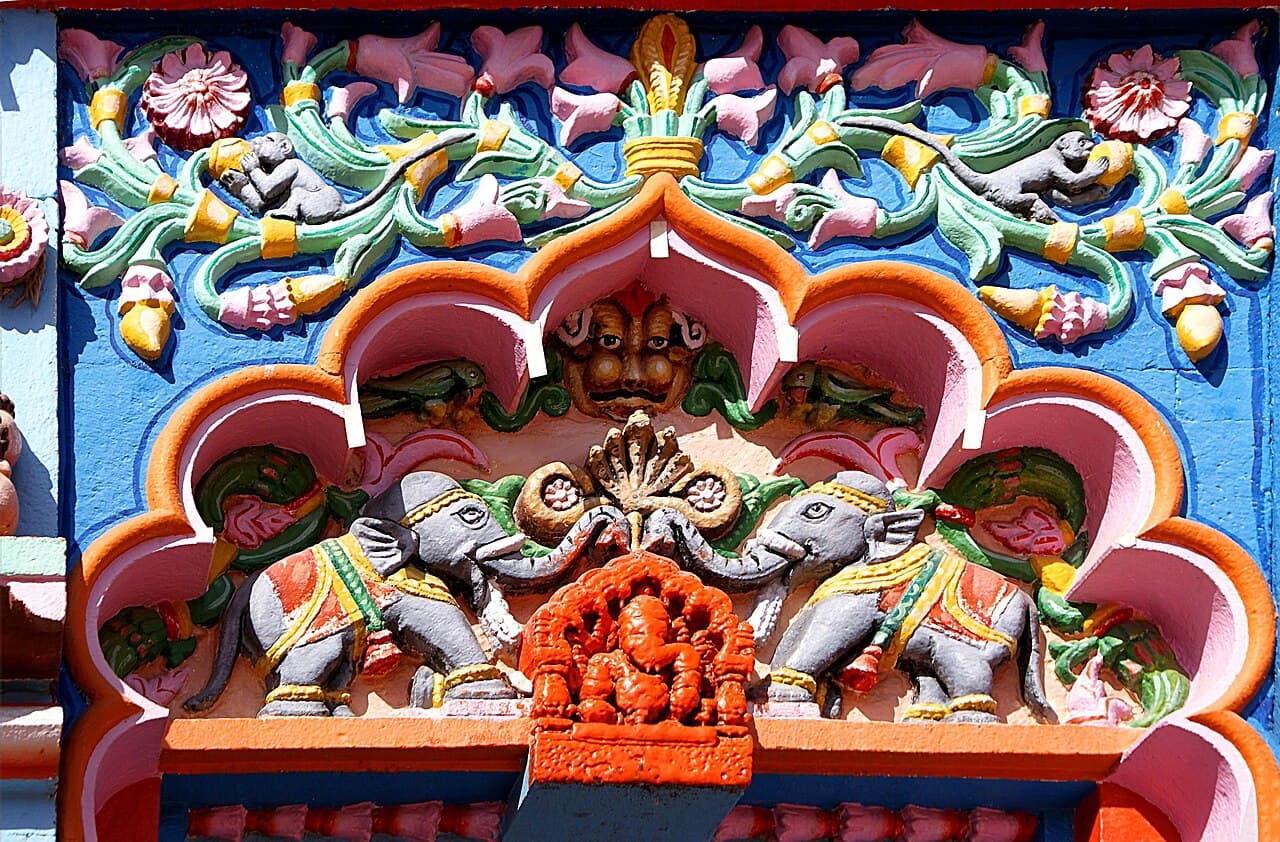
Vighnahar, Ozar
Ozar, Pune, Maharashtra
The remover of obstacles on the Kukadi — the golden-domed Ozar shrine where Ganesha subdued the demon Vighnasura.
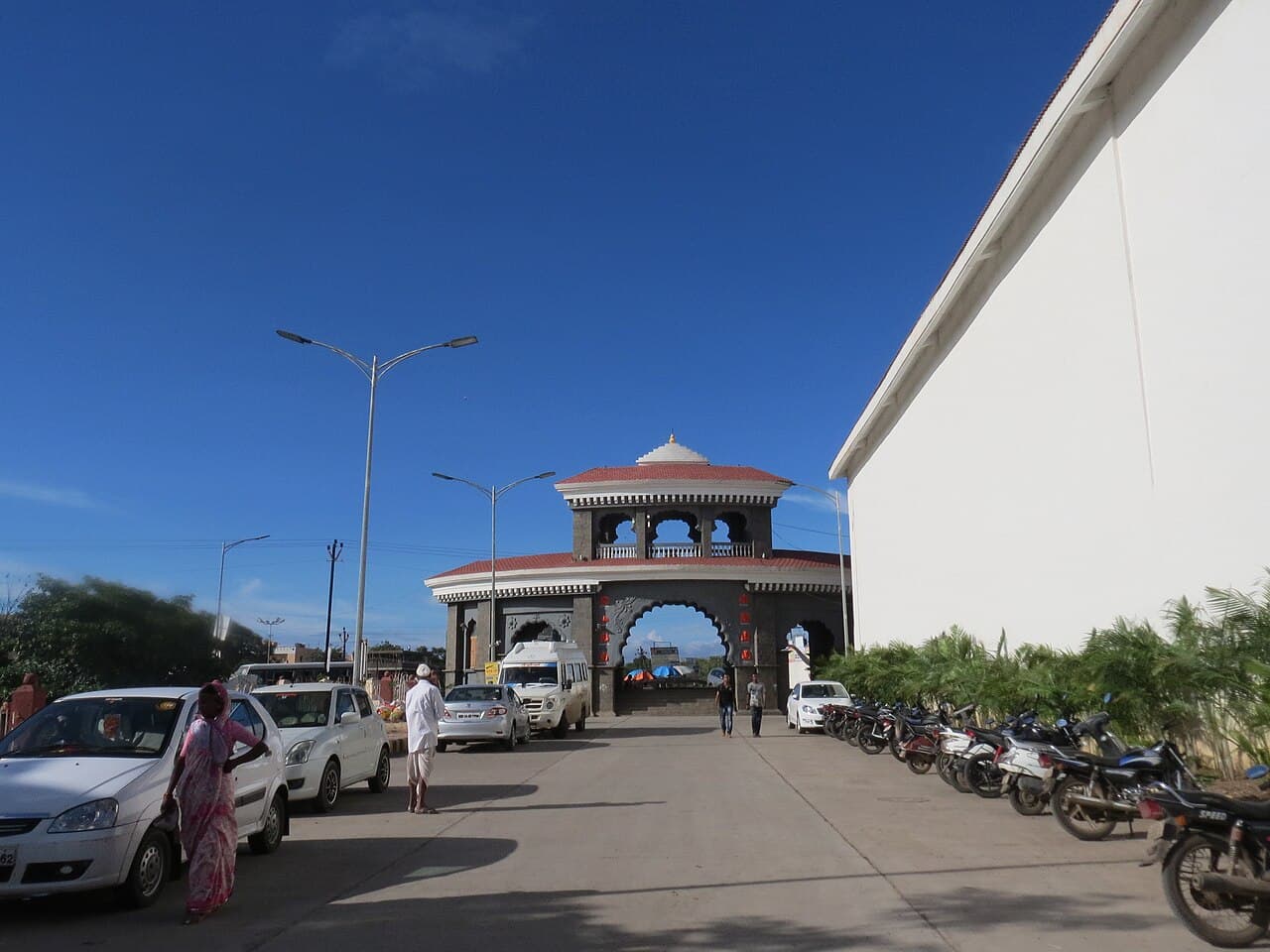
Mahaganapati, Ranjangaon
Ranjangaon, Pune, Maharashtra
The mightiest of the eight — the Ranjangaon shrine where Shiva himself invoked Ganesha before facing the demon Tripurasura.
Frequently Asked Questions
What is the Ashtavinayaka?+
The Ashtavinayaka are eight sacred, self-manifested shrines of Lord Ganesha in Maharashtra, each with a distinct idol and legend, visited together as a single pilgrimage.
Where are the Ashtavinayaka temples?+
All eight lie in Maharashtra, clustered around the Pune and Raigad districts in the Deccan.
In what order are the Ashtavinayaka visited?+
The yatra traditionally starts and finishes at Mayureshwar in Morgaon, covering all eight shrines in a set sequence.
What is special about each idol?+
Each Ganesha differs in the turn of the trunk, posture and legend; Siddhivinayak at Siddhatek, for instance, is the only one with a right-turned trunk.