
The Shakti Peethas are the seats of the Divine Mother — the places where, the Puranas tell, parts of Sati's body fell to earth as a grieving Shiva carried her from Daksha's yagna, until Vishnu's chakra released him from his sorrow. Where each part fell, the Devi took eternal residence. There is no one list, and that is the tradition rather than a defect in it: fifty-one seats are most widely counted, some traditions say fifty-two and tantric lists run to a hundred and eight, while the Ashtadasha stotram names eighteen great ones, Maharashtra keeps its own sade-tin — three and a half — and Odisha honours four Adi Peethas of the east. MereMandir currently covers eleven of the most revered, each named here by its own reckoning. Unlike the Ashtavinayaka this is no single road circuit: these shrines span nine states, from the Shivalik foothills to the Brahmaputra and down to the Tamil south — so this guide orders them as a darshan journey taken in regional legs, not as one continuous drive.
The legs fall naturally on the map. Begin in Himachal, where Naina Devi rises above the Govind Sagar and Jwala Ji's eternal flames burn in the Kangra valley — both among the fifty-one, and easily joined in a single hill journey. The Ganga belt follows: Vindhyavasini at Vindhyachal, where the Vindhya hills meet the river and pilgrims walk the Trikona Parikrama, is revered as a Siddha Peetha as often as a Shakti Peetha, and pairs beautifully with a Kashi trip barely sixty-five kilometres away. Eastward lie three great seats — Kalighat in the heart of Kolkata, Tara Tarini on the Rushikulya in Odisha, honoured there as one of the four Adi Shakti Peethas of the east, and Kamakhya on Nilachal hill above the Brahmaputra at Guwahati, widely revered as the foremost of all peethas.
The Deccan and the south hold three seats of the Ashtadasha stotram, and they make one long southward leg. Jogulamba at Alampur stands where the Tungabhadra meets the Krishna, among the Navabrahma temples, worshipped in her fierce Yogini form; Chamundeshwari, whom the stotram names as Chamundi of Krauncha Pattana, keeps her hill above Mysuru as Mahishasuramardini, kuladevi of the Wodeyars and presiding deity of the city; and Kamakshi is the only Devi temple in Kanchipuram, because tradition holds that all the Shakti of that city is gathered in her alone — the stotram names her in its opening breath, and the Devasthanam reckons Kanchi among the fifty-one as the Nabhi Peetham. The journey then closes in the west with Maharashtra's own: Mahalakshmi — Ambabai — of Kolhapur, and Saptashringi on her gad above Vani, the two of them among the state's sade-tin, and both carried in pan-India lists of the fifty-one besides. Most pilgrims complete the eleven over four or five regional trips.
October to March is the kindest season across the plains, the Deccan and both coasts, and the Himachal shrines are at their best outside the deep monsoon. The most charged time of all is Navaratri — both Chaitra (spring) and Sharad (autumn) — when every Shakti Peetha sees its greatest darshan of the year: queues from before dawn, special alankaras, and night-long jagrans. Bengal keeps the last five nights as Durga Puja, and Mysuru gives the tenth to the Jamboo Savari that closes Dasara at Chamundeshwari's own hill. It is the most auspicious window, and the most crowded; book lodging well ahead. One planning note for Kamakhya: the Ambubachi Mela each June draws lakhs of devotees, and the temple remains closed for three days during it — check the Devalaya's dates before travelling far. Four of the eleven are climbs — 999 steps at Tara Tarini, 1,008 at Chamundeshwari, about five hundred at Saptashringi and the long stepped path at Naina Devi — each with a ropeway or funicular alternative that queues heavily at festivals. As always, confirm timings on each temple's official site where one exists, and let the Mother's darshan be unhurried.
The route, in darshan order
- 1
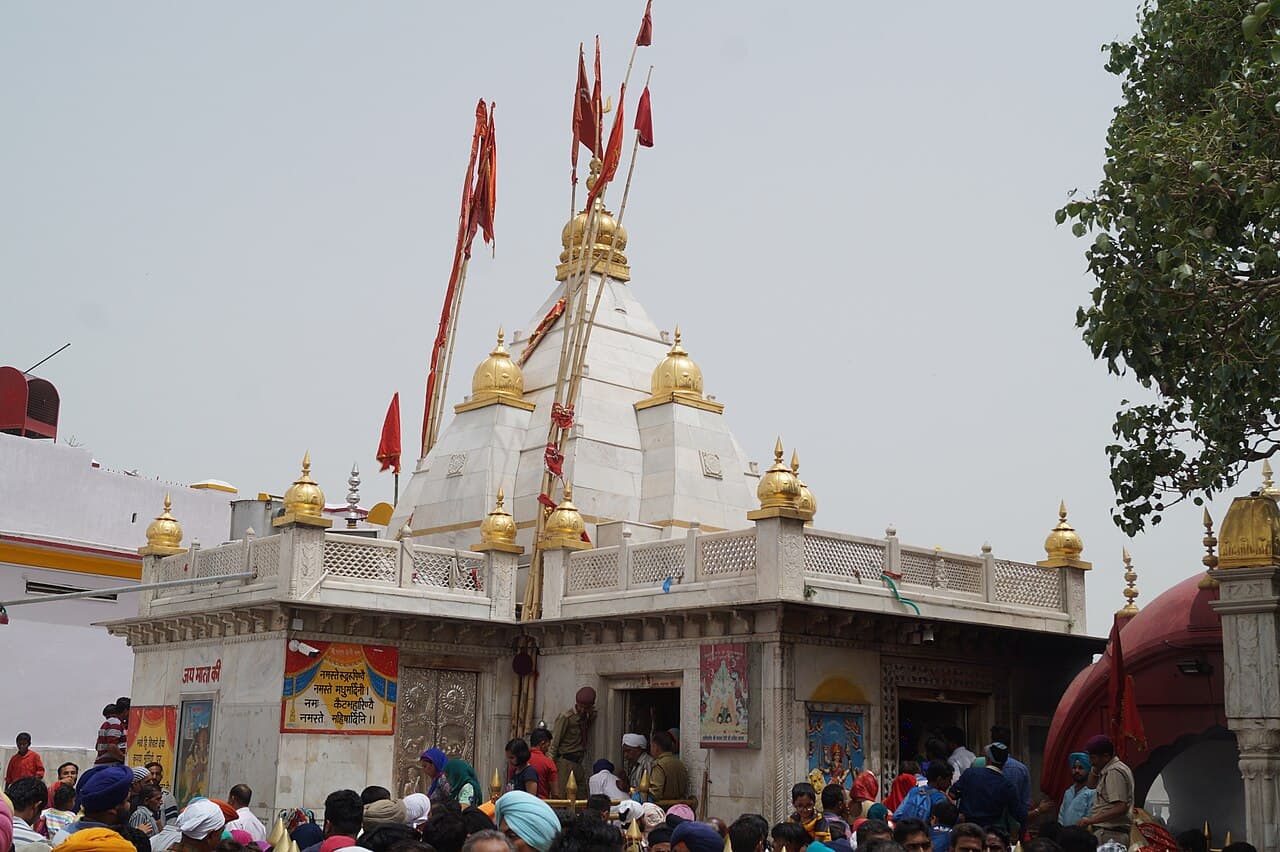
Naina Devi
Bilaspur, Himachal Pradesh
The hill-shrine where Sati's eyes are said to have fallen — Naina Devi, high in the Shivaliks above the Gobind Sagar.
- 2~66 km aerial distance

Jwala Ji
Kangra, Himachal Pradesh
The goddess as living flame — a temple with no idol, where eternal fires burn from the rock in the Kangra hills.
- 3~959 km aerial distance
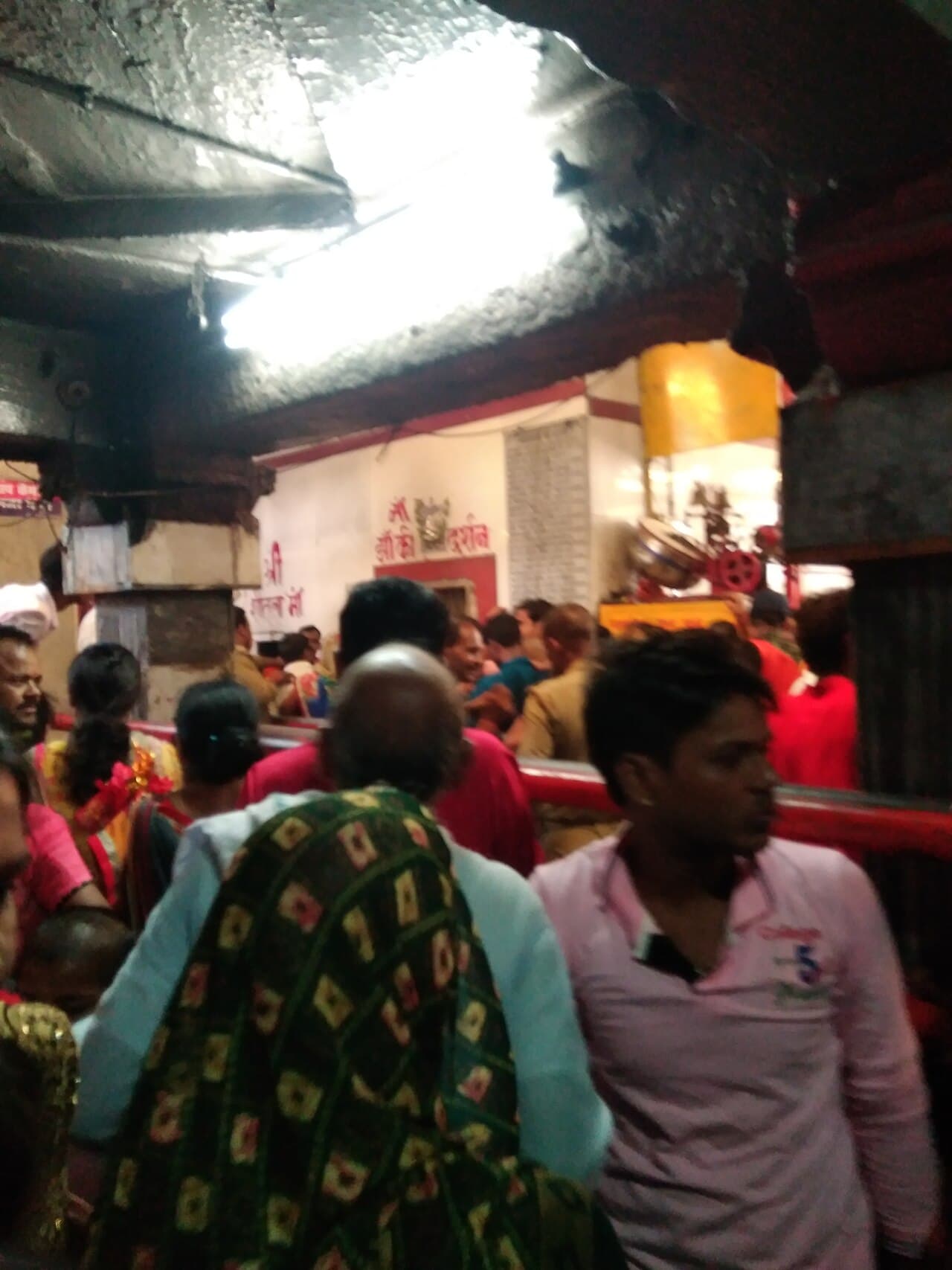
Vindhyavasini
Vindhyachal, Mirzapur, Uttar Pradesh
The ever-present Devi of the Vindhyas, on the Ganga at Vindhyachal — a great Shakti and Siddha Peetha thronged through Navaratri.
- 4~663 km aerial distance
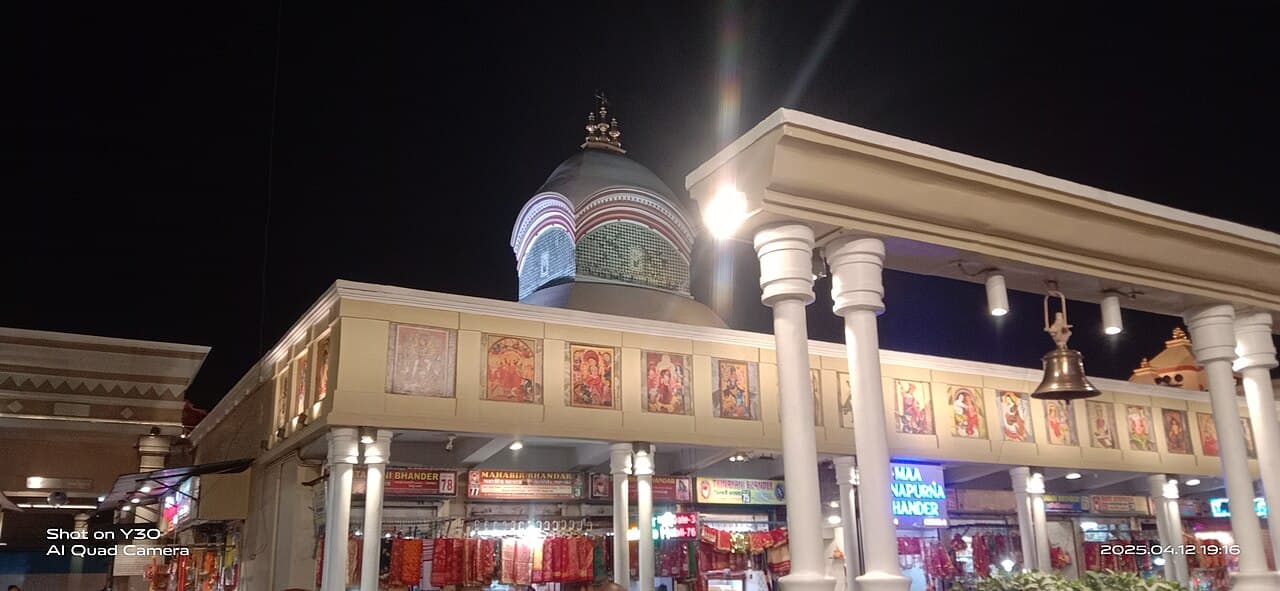
Kalighat
Kolkata, West Bengal
Kali's toe-fall on the Adi Ganga that gave Kolkata its name — the city's most revered Shakti Peetha, worshipped as Dakshina Kali.
- 5~491 km aerial distance
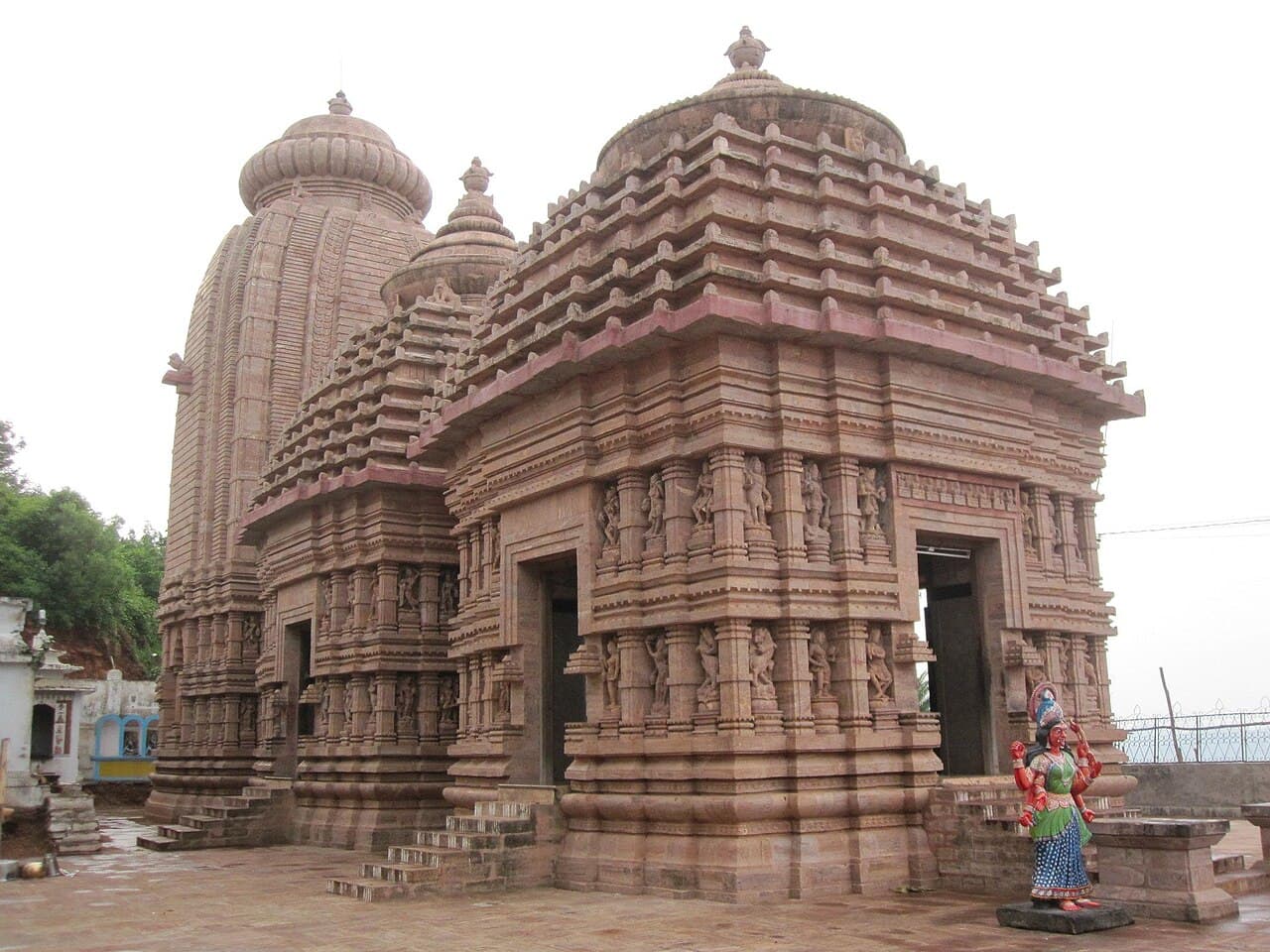
Tara Tarini
Ganjam, Odisha
The twin goddesses Tara and Tarini on the Kumari hill by the Rushikulya — one of the four Adi Shakti Peethas of tradition.
- 6~1018 km aerial distance
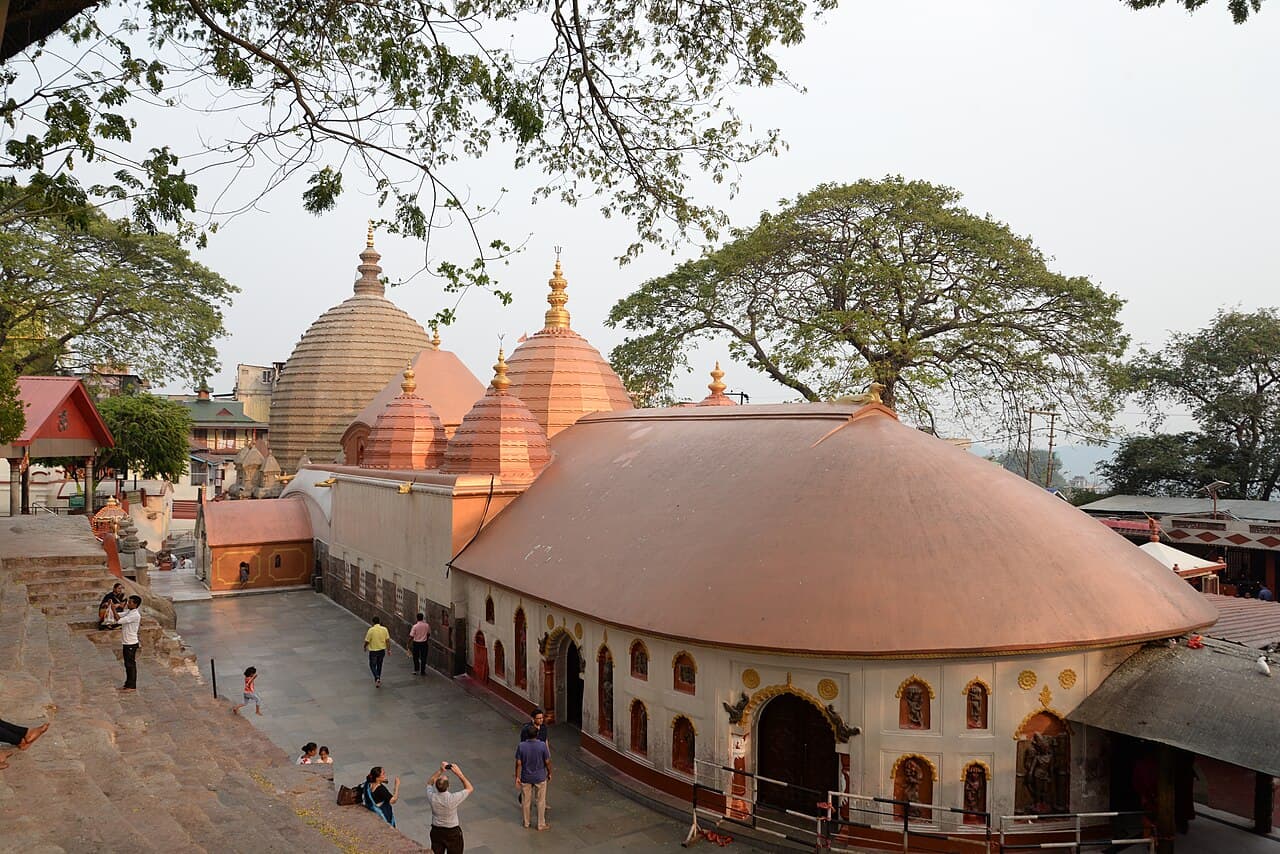
Kamakhya
Guwahati, Assam
The great Tantric seat on Nilachal Hill above the Brahmaputra — where the Goddess is worshipped as the yoni and is believed to menstruate each year.
- 7~1812 km aerial distance

Jogulamba, Alampur
Alampur, Jogulamba Gadwal, Telangana
One of the eighteen Maha Shakti Peethas — the fierce Yogini Jogulamba at Alampur, by the Tungabhadra near its meeting with the Krishna.
- 8~431 km aerial distance
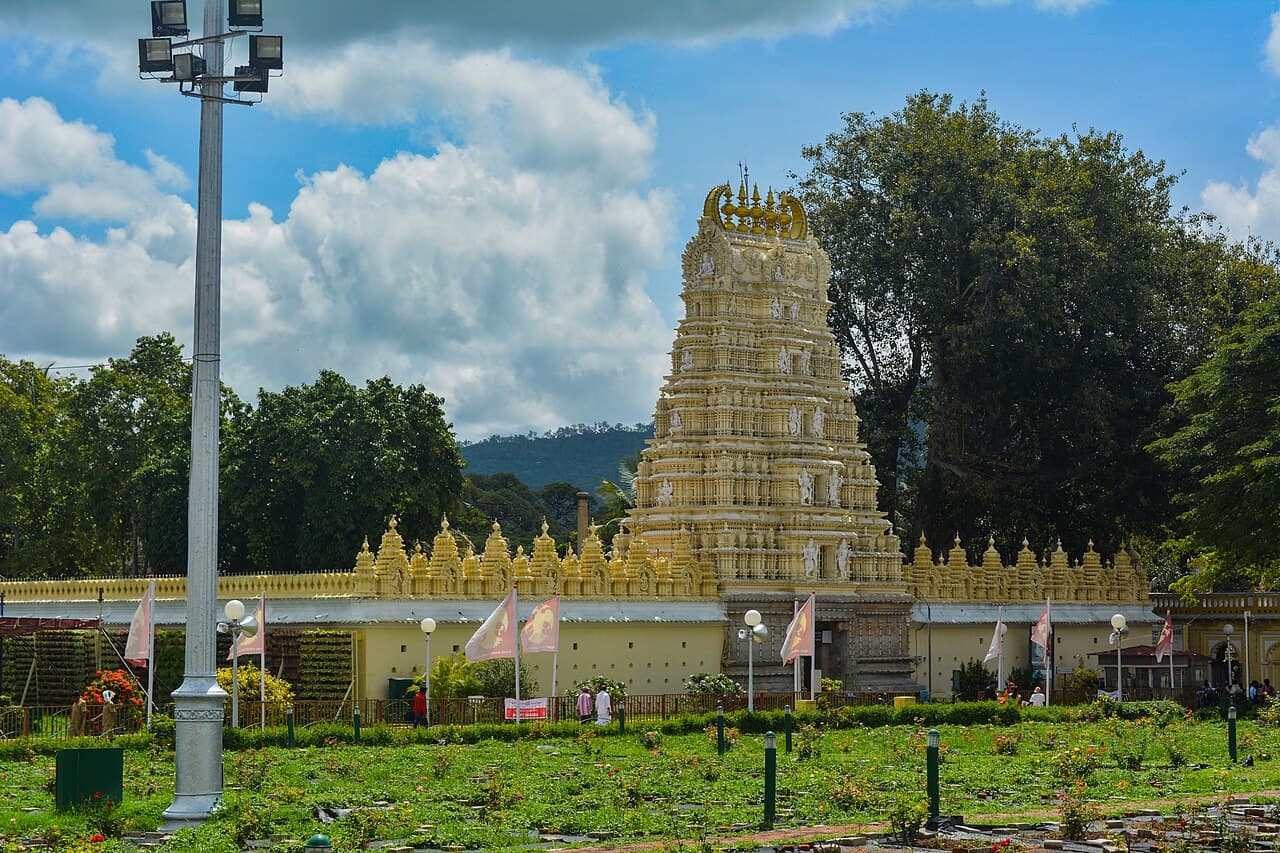
Sri Chamundeshwari, Mysuru
Chamundi Hill, Mysuru, Karnataka
Mahishasuramardini on the hill that gave Mysuru its name — kuladevi of the Wodeyars, presiding Mother of the city below, and the Devi whose Dasara Karnataka keeps as its Nada Habba.
- 9~335 km aerial distance
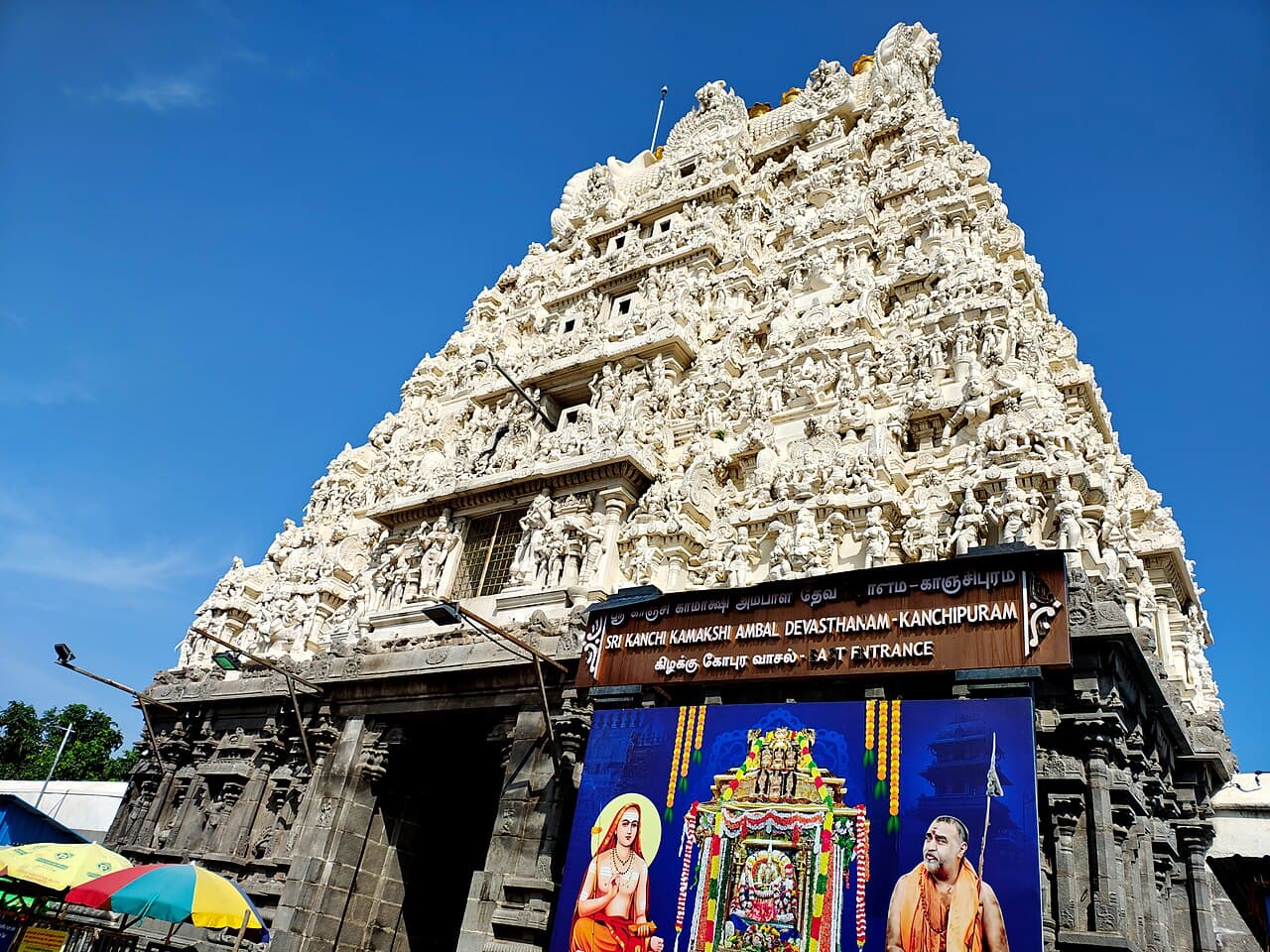
Kamakshi Amman, Kanchipuram
Kanchipuram, Tamil Nadu
The one Devi temple in a city of a thousand temples — where all the Shakti of Kanchipuram is held to gather, Kamakshi seated in lotus before the Sri Chakra.
- 10~728 km aerial distance
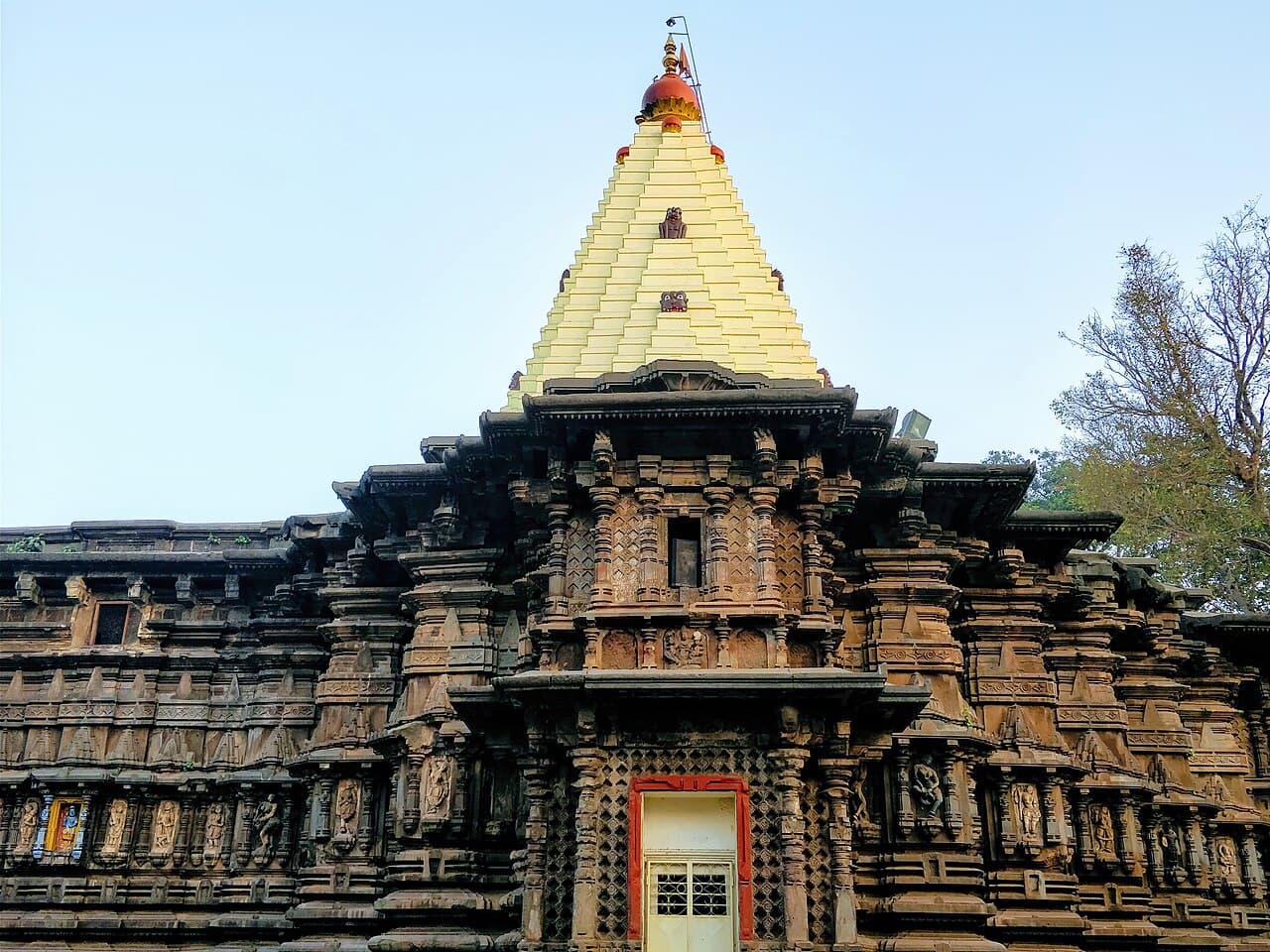
Mahalakshmi, Kolhapur
Kolhapur, Maharashtra
Ambabai of Kolhapur — the living Devi of Karvir, whom the setting sun itself comes to worship at the Kiranotsav.
- 11~412 km aerial distance

Saptashringi, Vani
Vani, Nashik, Maharashtra
The eighteen-armed Mother in the living rock of a seven-peaked Sahyadri gad above Vani — Saptashringi Nivasini, held among the sade-tin Shakti Peethas of Maharashtra.
Frequently Asked Questions
How many Shakti Peethas are there?
There is no single count. The most widely followed tradition names fifty-one Shakti Peethas, marking where parts of Sati's body fell; some traditions count fifty-two and tantric lists extend to one hundred and eight, while the Ashtadasha stotram names eighteen great seats, Maharashtra keeps its own sade-tin (three and a half), and Odisha honours four Adi Peethas of the east. MereMandir currently covers eleven of the most revered — from Kamakhya and Kalighat to Jwala Ji, Kamakshi of Kanchi and Saptashringi of Vani — each named by its own reckoning, with more being added as the platform grows.
Can all the Shakti Peethas be visited in one trip?
Not practically — even our eleven span nine states, from Himachal to Assam to Tamil Nadu, so there is no single road circuit the way there is for the Ashtavinayaka. Pilgrims typically take regional legs: the Himachal pair in one hill trip, Vindhyavasini with a Kashi visit, the eastern three across Bengal–Odisha–Assam, the Deccan and southern three from Alampur through Mysuru to Kanchipuram, and Maharashtra's two together. Our planner builds exactly those five trips from Delhi, Mumbai, Hyderabad or Kolkata, and also sequences all eleven as one continuous parikrama for those who want it.
When is the best time for Shakti Peetha darshan?
October to March offers the most comfortable weather across the plains, and clear roads for the Himachal shrines. Navaratri — both Chaitra in spring and Sharad in autumn — is by far the most auspicious and the most intense period, with special alankaras and night-long worship, but expect the year's biggest crowds and book accommodation early.
Which is the most revered Shakti Peetha?
Kamakhya at Guwahati, on Nilachal hill above the Brahmaputra, is widely regarded as the foremost of the Shakti Peethas. That said, each region holds its own seat supreme — Kalighat in Bengal, Vindhyavasini on the Ganga, Jwala Ji's eternal flames in Himachal — and tradition treats darshan at any peetha as darshan of the same Mother.
What is the story behind the Shakti Peethas?
When Sati gave up her body at her father Daksha's yagna, a grief-stricken Shiva carried her across the cosmos in the Tandava of sorrow. To free him, Vishnu's Sudarshana chakra divided the body, and wherever a part fell, the spot became a Shakti Peetha — a seat where the Devi resides forever, each with its own presiding form of the Mother and her Bhairava.