
Chhath is the great vrat of the Sun, and it is unlike every other festival of the Hindu year in one plain respect: the deity worshipped is visible overhead. Bhagwan Surya is offered arghya directly — no murti stands between the devotee and the god, no temple encloses the rite, and no priest is required to mediate it. The vrati walks into the river, stands in the water with folded hands, and lifts the offering to the Sun herself. Beside Surya is worshipped Chhathi Maiya, whom folk tradition reveres as his own sister and whom the learned identify with Usha, the dawn; she is the giver and guardian of children, and it is chiefly for the well-being of children and the household that the vrat is kept. The name is the tithi: Shashthi, the sixth of Kartik's bright fortnight, worn down in Bhojpuri and Maithili to Chhath.
The vrat runs four days, and in 2026 they are Friday 13 to Monday 16 November. It opens on Nahay Khay, when the vrati bathes in the Ganga, carries river water home and the family eats a single satvik meal of kaddu-bhaat. The second day is Kharna: a fast from sunrise to sunset, then kheer of jaggery and new rice offered and eaten as prasad — and the instant that meal ends, the nirjala vrat begins, some thirty-six hours without food or a drop of water. The third day, Shashthi itself, is the main day: thekua baked in ghee and jaggery, fruit, sugarcane and coconut are heaped into the winnowing soop and the bamboo daura, carried on the head to the ghat, and at evening the family stands in the water to offer the Sandhya Arghya as the Sun goes down. The night belongs to the Kosi, lamps lit under a canopy of sugarcane, and to the Chhath geet, whose tunes are among the oldest melodies still sung in Bharat. Before dawn on the fourth day everyone returns to the ghat, faces east, and offers the Usha Arghya to the rising Sun; the vrati then breaks the fast with ginger and water, and the prasad goes round the whole neighbourhood.
Two things in that sequence are worth pausing over. The first is the order of the arghyas: the setting Sun is honoured before the rising one. It is the reverse of ordinary human habit, and Chhath makes a teaching of it — the Lord is to be adored in decline as in ascent, and the household that thanks him at sunset has understood something the household that only greets him at sunrise has not. The second is how little the rite needs. There is no murti to buy, no priest to engage, no sanctum to enter; the ghat is open, the water is common, and the offerings are what the fields have just yielded — new rice, new jaggery, sugarcane, radish, the green ginger. Nothing about it can be bought better by one family than another, which is why Chhath is remembered as the most egalitarian of the great vrats, and why its discipline is guarded so fiercely: the fast, the purity of the kitchen, the barefoot walk to the ghat, the prostrations some vratis make the whole way down.
Its homeland is Bihar and it has carried the state's name across the world. The ghats fill along the Ganga at Patna, and along the Kosi, Gandak, Bagmati, Son and Kamla Balan; Jharkhand, eastern Uttar Pradesh and the Mithila region of Nepal keep it as their own, and wherever Bihari families have settled — Delhi, Mumbai, Kolkata, Mauritius, Trinidad, Fiji — a stretch of water is found and a ghat is made. The Sun temples of the region become its centres: above all Deo in Aurangabad district, whose west-facing shrine and Brahma Kund draw immense crowds twice a year, and with it Ulaar in Patna district and Ongari in Nalanda. In Varanasi the same arghya is offered from the Ganga ghats below Kashi Vishwanath, and Bihar's own great shrines — Mahavir Mandir beside Patna Junction, Mundeshwari on its Kaimur hill — keep the days with it. If you travel for Chhath, go for the ghat rather than the sanctum: the festival happens at the water's edge, at sunset and at sunrise, and it asks only that you stand quietly with everyone else and let the Sun be greeted.
The four days of Chhath 2026
Chhath is reckoned by the Kartik shukla tithis and runs Chaturthi to Saptami — in 2026, Friday 13 to Monday 16 November. The two arghyas, the heart of the vrat, are offered not at a muhurat printed in a table but at the sun's own hour: the first as it sets on Sunday the 15th, the second as it rises on Monday the 16th. Those two moments move with longitude — Patna's sunset comes roughly a quarter of an hour before Delhi's — so take the day from here and the minute from your own city's panchang.
Between them lies the fast that gives Chhath its reputation: from the moment the Kharna kheer is eaten on Saturday evening until the arghya to the rising Sun on Monday morning, the vrati takes neither food nor water — about thirty-six hours, unbroken.
Day 1 — Nahay Khay, Friday 13 November
Kartik Shukla Chaturthi. The vrati bathes in the Ganga or the nearest river, carries river water home, and the household eats one satvik meal cooked without onion or garlic — kaddu-bhaat, gourd with rice and chana dal. From this meal onward the kitchen is kept ritually pure.
Day 2 — Kharna, Saturday 14 November
Kartik Shukla Panchami. The vrati fasts from sunrise to sunset without water, then offers kheer of jaggery and new rice with roti and fruit, and eats it as prasad after the puja. The moment that meal ends, the thirty-six-hour nirjala vrat begins.
Day 3 — Sandhya Arghya, Sunday 15 November
Kartik Shukla Shashthi, the main day. Thekua and fruit are packed into the soop and the daura, carried on the head to the ghat, and the family stands waist-deep in the water to offer arghya of milk and water to the setting Sun. At night the Kosi is lit — earthen lamps under a canopy of sugarcane — and the Chhath geet are sung until dawn.
Day 4 — Usha Arghya & Parana, Monday 16 November
Kartik Shukla Saptami. The family returns to the ghat before first light and stands in the water facing east; as the Sun rises, the second arghya is offered. The vrati then takes ginger and water for the parana, the fast is broken, and prasad goes out to the whole neighbourhood.
Where to take darshan
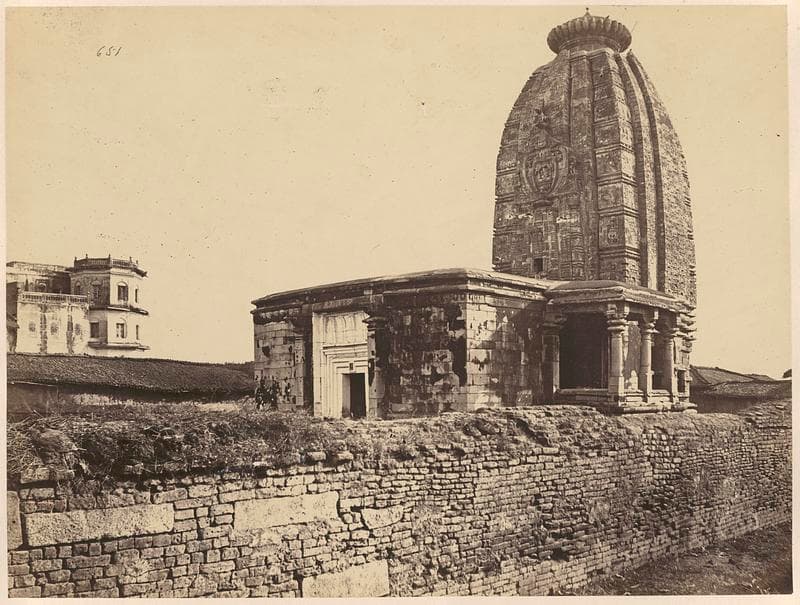
Deo Surya Mandir
Deo, Aurangabad, Bihar
The Sun temple that turns to the setting sun — Surya's seat at Deo in Bihar's Aurangabad district, where a hundred feet of shikhara stands over a west-facing door and Chhath fills the kunds twice a year.

Mahavir Mandir, Patna
Patna, Bihar
Hanuman as Sankat Mochan in the square outside Patna Junction — twin murtis in one sanctum, a naivedyam laddoo whose earnings pay for hospitals, and a Ram Navami queue that runs for kilometres into the city.

Mundeshwari Devi
Ramgarh, Kaimur, Bihar
The octagonal shrine on the Kaimur hills where worship has never stopped — Devi Mundeshwari in her niche, the four-faced Shiva linga at the centre, and the goat that is offered and walks away alive.
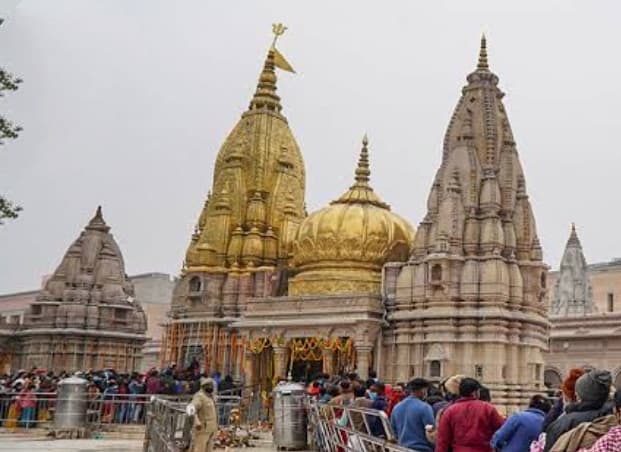
Kashi Vishwanath
Varanasi, Uttar Pradesh
The golden-spired Lord of Kashi on the Ganga at Varanasi — among the most revered of all Shiva shrines.
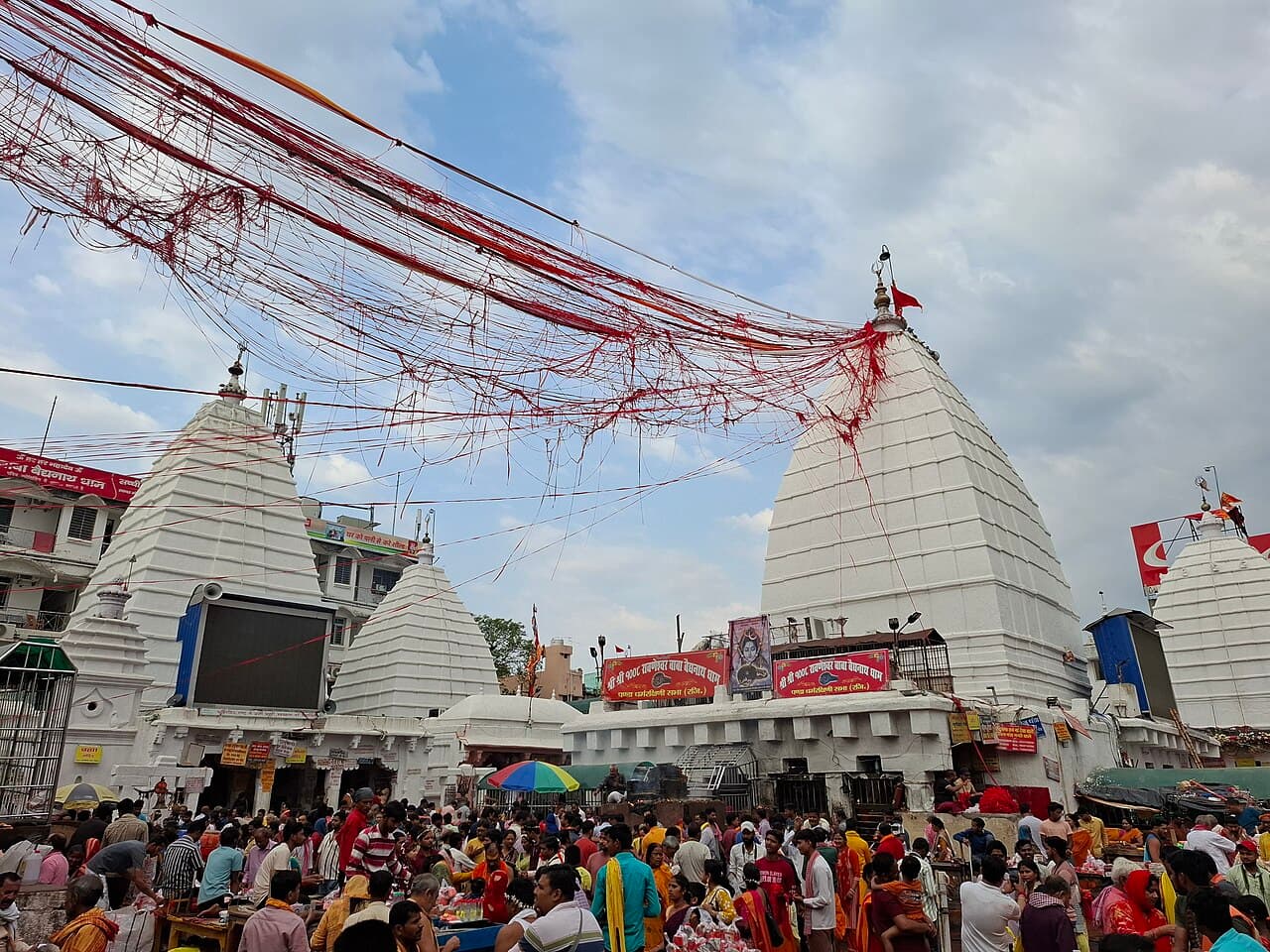
Vaidyanath (Baidyanath)
Deoghar, Jharkhand
Baba Baidyanath Dham at Deoghar — the 'divine physician', thronged by Kanwariyas through the month of Shravan.

Suryanarayana Swamy, Arasavalli
Arasavalli, Srikakulam, Andhra Pradesh
Surya as Suryanarayana Swamy at Arasavalli — the Pratyaksha Daivam, the visible god, cut with his consorts from one block of black granite, where twice a year the early light comes through five gates to rest on his feet.
Frequently Asked Questions
When is Chhath Puja in 2026?+
Chhath Puja 2026 runs over four days, Friday 13 to Monday 16 November — Kartik Shukla Chaturthi to Saptami. Nahay Khay falls on Friday, 13 November; Kharna on Saturday, 14 November; the main day with the Sandhya Arghya on Sunday, 15 November; and the Usha Arghya with parana on Monday, 16 November. Drik Panchang and Panchang AstroSage agree on all four days. The arghyas are offered at the local sunset and sunrise, which vary by city, so check a panchang for your own place.
What are the four days of Chhath Puja?+
Nahay Khay, when the vrati bathes in the river, carries its water home and the family eats one satvik meal of kaddu-bhaat; Kharna, a sunrise-to-sunset fast broken with kheer of jaggery and new rice; Sandhya Arghya on Shashthi, when thekua, fruit and sugarcane are carried to the ghat in the soop and daura and arghya is offered to the setting Sun; and Usha Arghya at dawn the next morning, when the same offering is made to the rising Sun and the fast is broken.
How long is the Chhath fast?+
About thirty-six hours, and nirjala — without even water. It begins the moment the Kharna prasad is eaten on the evening of Saturday, 14 November 2026 and ends only after the Usha Arghya is offered to the rising Sun on the morning of Monday, 16 November, when the vrati takes ginger and water for the parana. Through those hours the vrati also keeps the kitchen ritually pure and, by custom in many families, walks barefoot to the ghat.
Why is arghya offered to the setting Sun first?+
Because Chhath honours Bhagwan Surya in decline exactly as in ascent. The Sandhya Arghya on the evening of Shashthi is offered as he sets, and only the next morning, at the Usha Arghya, is he greeted as he rises. Devotees understand it as the festival's central teaching — gratitude is owed at the close of the day and not only at its opening — and the two offerings together, sunset and sunrise, frame the long nirjala vrat between them.
Why does Chhath need no temple, murti or priest?+
Because the deity is visible. Bhagwan Surya is offered arghya directly from the water, so the rite needs no image to stand in for him and no sanctum to house him; the vrati performs it herself, with no priest mediating. Chhathi Maiya, revered in folk tradition as Surya's sister and identified with Usha, the dawn, is worshipped beside him for the well-being of children. The offerings are simply what the fields have just given — new rice, jaggery, sugarcane, radish, ginger — which is why Chhath is remembered as the most egalitarian of the great vrats.
Where is Chhath celebrated, and which temples are best for darshan?+
Bihar above all, with the ghats filling along the Ganga at Patna and along the Kosi, Gandak, Bagmati, Son and Kamla Balan; Jharkhand, eastern Uttar Pradesh and Nepal's Mithila region keep it too, and Bihari families observe it wherever they have settled. The Sun temples are the great centres — Deo Surya Mandir in Aurangabad district first among them, with Ulaar in Patna district and Ongari in Nalanda. Varanasi offers the same arghya from the Ganga ghats below Kashi Vishwanath, and Arasavalli in Andhra Pradesh is the other great Surya seat of Bharat. Go for the ghat rather than the sanctum: the festival happens at the water's edge.