
Of all the months of the Hindu year, Shravan belongs to Shiva. The reason reaches back to the churning of the ocean — the Samudra Manthan — when devas and asuras turned Mount Mandara to draw amrit from the deep. Long before the nectar rose, the waters gave up halahala, a poison so virulent that it began to consume creation itself. No one could hold it. Shiva gathered it up and drank, and Parvati pressed his throat so that it would go no further; the poison stayed there and turned it blue, and from that moment the Lord has been Neelkanth, the blue-throated one. To cool the burning, the devas poured pot after pot of Ganga water over him — and every jalabhishek offered in Shravan repeats that act of service. Tradition adds a second reason: it was in this month that Parvati completed the tapasya by which she won Shiva as her husband. Monday is Shiva's own day, so the four Somwars of Shravan form the spine of the month.
The practice through those four weeks is simple and relentless. On each Sawan Somwar — in 2026, by the North Indian reckoning, 3, 10, 17 and 24 August — devotees fast through the day, break the vrat after the evening puja, and stand in queue for jalabhishek: Ganga jal poured over the Shivling, then milk, curd, honey and ghee for the rudrabhishek, then Ganga jal again, while the Rudri is chanted. Bel patra, the three-lobed leaf Shiva accepts above every flower, is laid on the linga; dhatura, akshat and white blossoms follow. On Tuesdays women keep the Mangala Gauri vrat for Parvati — unmarried girls for a good marriage, married women for their households. Whole towns take on the sound of the month: “Har Har Mahadev” inside the temples and “Bol Bam” on the roads outside, where the kanwariyas walk. Shravan carries some of the year's warmest domestic festivals too — Hariyali Teej, when women swing under monsoon-green trees; Nag Panchami, when serpents are honoured with milk; and Raksha Bandhan on Shravan Purnima, which closes the month.
One question confuses pilgrims more than any other: when exactly is Sawan? The answer depends on the calendar a family keeps. North India follows the Purnimanta reckoning, in which a lunar month ends on the full moon — there Shravan 2026 runs from Thursday, 30 July to Thursday, 27 August. Maharashtra, Gujarat, Karnataka, Telangana, Andhra Pradesh and Tamil Nadu follow the Amanta reckoning, in which the month ends on the new moon, and their Shravan 2026 runs from 13 August to 10 September. It is the same lunar month bearing the same name, offset by a fortnight — so the Mondays differ as well: the Amanta Somwars in 2026 fall on 17, 24 and 31 August and 7 September. Neither reckoning is more correct than the other; follow the panchang of your own region and your family's tradition.
For temples, Shravan is the year's high tide — and above all for the twelve Jyotirlingas. Kashi Vishwanath takes an unbroken river of devotees down the lanes of Varanasi. Baidyanath Dham at Deoghar stands at the centre of the month-long Shravani Mela, which draws some five million pilgrims and is described as the world's longest religious fair. At Mahakaleshwar in Ujjain the pre-dawn Bhasma Aarti queue stretches far past its usual length, and through the month the Lord is carried out in silver-palanquin sawari processions to give the city itself darshan. Somnath on the Arabian Sea, Trimbakeshwar at the source of the Godavari, Omkareshwar on its island in the Narmada — each keeps a month of continuous abhishek, with melas growing up around them. Many families turn the whole month into a pilgrimage, taking whichever Jyotirlinga is nearest on each Somwar. If you plan to travel, expect long queues, aim for early darshan, and check each temple's own arrangements for Shravan before you set out.
Kanwar Yatra — where it ends & why
Through Shravan a second river moves alongside the Ganga — on foot. Kanwariyas in saffron reach a riverbank, fill two sealed pots with Ganga jal, sling them from a decorated bamboo pole called the kanwar, and carry it away on their shoulders. Most fill at Har ki Pauri in Haridwar; the most exacting climb to Gaumukh and Gangotri for water from the glacier itself. The vow is strict — for the whole journey the kanwar must never touch the ground, so at every halt it is hung from a tree or a stand while companions keep watch beside it. They walk in groups, very often barefoot, through the night as readily as the day, and the road answers itself with a single call: “Bol Bam”.
Where does it end? For most kanwariyas, at home — the Shiva temple of their own town, or the one they vowed to, where the jal they carried is finally poured over the linga. A few termini have become famous in their own right: Pura Mahadeva in Baghpat, Augharnath in Meerut, Kashi Vishwanath in Varanasi, and Neelkanth Mahadev in the hills above Rishikesh. In the east the yatra takes on a scale of its own as the Shravani Mela, which runs from Sultanganj in Bihar — where the Ganga turns north past the Ajgaibinath temple — to Baba Baidyanath Dham at Deoghar, about 105 km walked barefoot. Whatever the destination, the timing converges: the great jalabhishek falls on Sawan Shivratri, Tuesday 11 August in 2026. And the meaning never changes — cool water carried a long, hard way to the Lord who once drank the world's poison so that the world might live. Tradition remembers Ravana as the first kanwariya, who bore Ganga jal to Baidyanath.
Where the jal is filled
Most kanwariyas fill their pots at Har ki Pauri in Haridwar; the most devout go up to Gaumukh and Gangotri. Once filled, the kanwar must not touch the ground again — it hangs from a tree or a stand whenever the pilgrim rests.
Where it ends — usually at home
The yatra ends wherever the pilgrim vowed it would, most often the Shiva temple of their own town. The best-known termini are Pura Mahadeva (Baghpat), Augharnath (Meerut), Kashi Vishwanath (Varanasi) and Neelkanth Mahadev above Rishikesh.
Sultanganj to Deoghar — the Shravani Mela
In the east, pilgrims fill north-flowing (Uttarvahini) Ganga jal at Sultanganj in Bihar and walk roughly 105 km barefoot to Baba Baidyanath Dham in Deoghar to pour it on the Jyotirlinga. The month-long mela draws about five million pilgrims.
When it ends, and why
The climax jalabhishek falls on Sawan Shivratri — Tuesday, 11 August 2026. The offering re-enacts the devas cooling Shiva after he drank the halahala, and tradition remembers Ravana as the first kanwariya, who carried Ganga jal to Baidyanath.
Where to take darshan
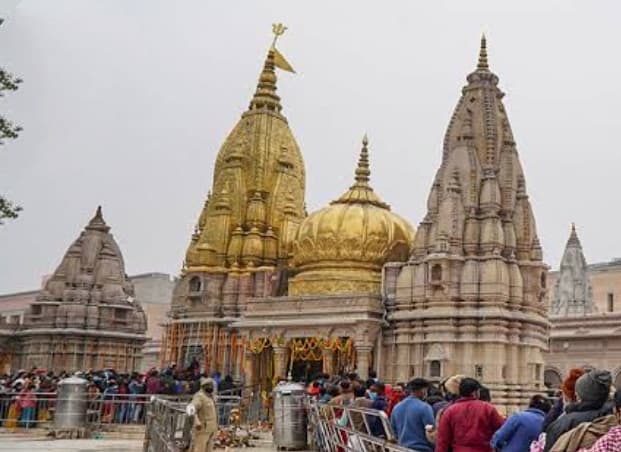
Kashi Vishwanath
Varanasi, Uttar Pradesh
The golden-spired Lord of Kashi on the Ganga at Varanasi — among the most revered of all Shiva shrines.
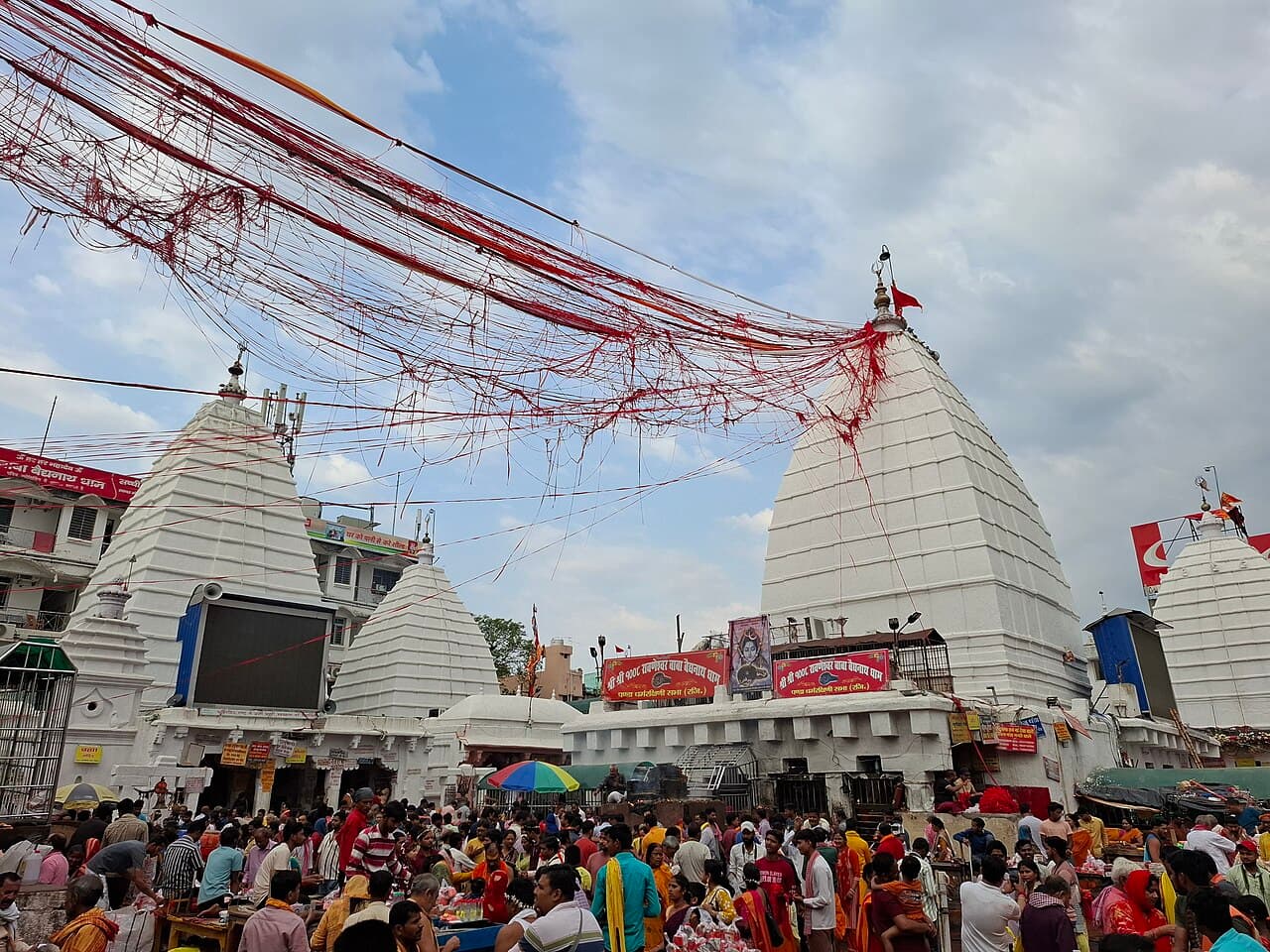
Vaidyanath (Baidyanath)
Deoghar, Jharkhand
Baba Baidyanath Dham at Deoghar — the 'divine physician', thronged by Kanwariyas through the month of Shravan.
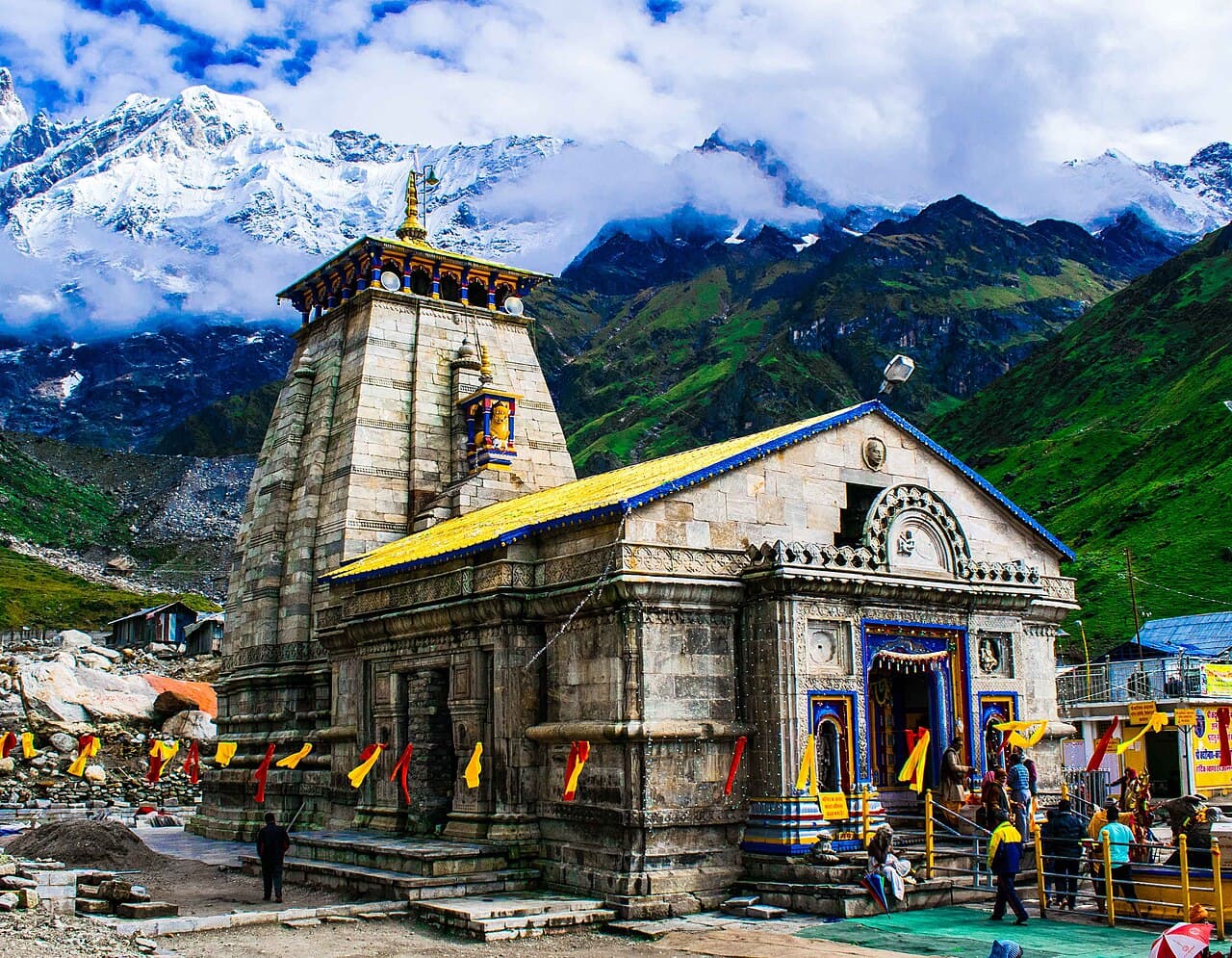
Kedarnath
Kedarnath, Uttarakhand
One of Shiva's most revered abodes — the highest of the twelve Jyotirlingas, at 3,583 m in the Garhwal Himalaya, open only half the year.
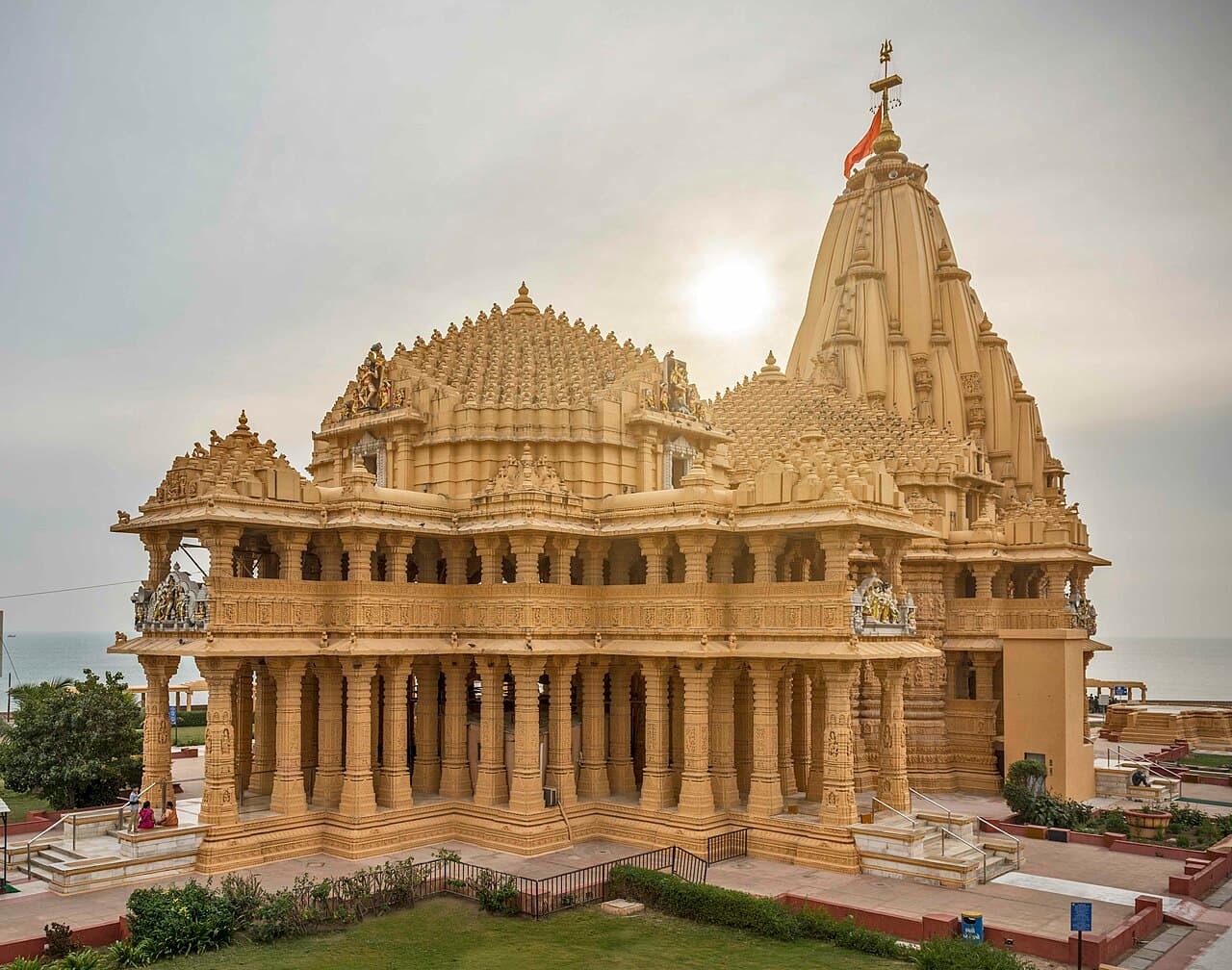
Somnath
Prabhas Patan, Veraval, Gujarat
The first of the twelve Jyotirlingas, rising on the Arabian Sea shore — destroyed and rebuilt through the ages as a symbol of faith's endurance.
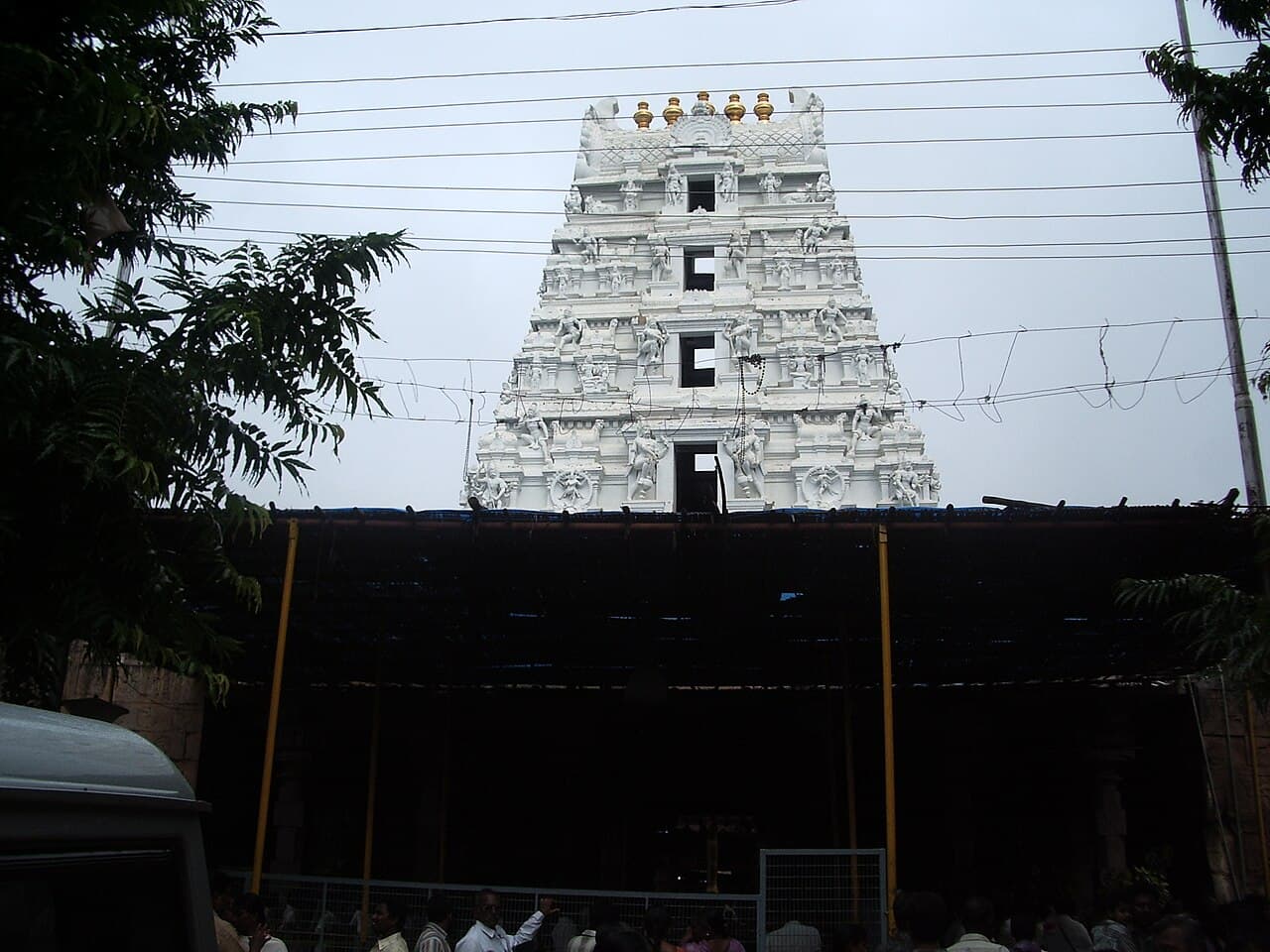
Mallikarjuna
Srisailam, Andhra Pradesh
The 'Kailash of the South' on the Nallamala hills — a rare site that is at once a Jyotirlinga and a Shakti Peetha.
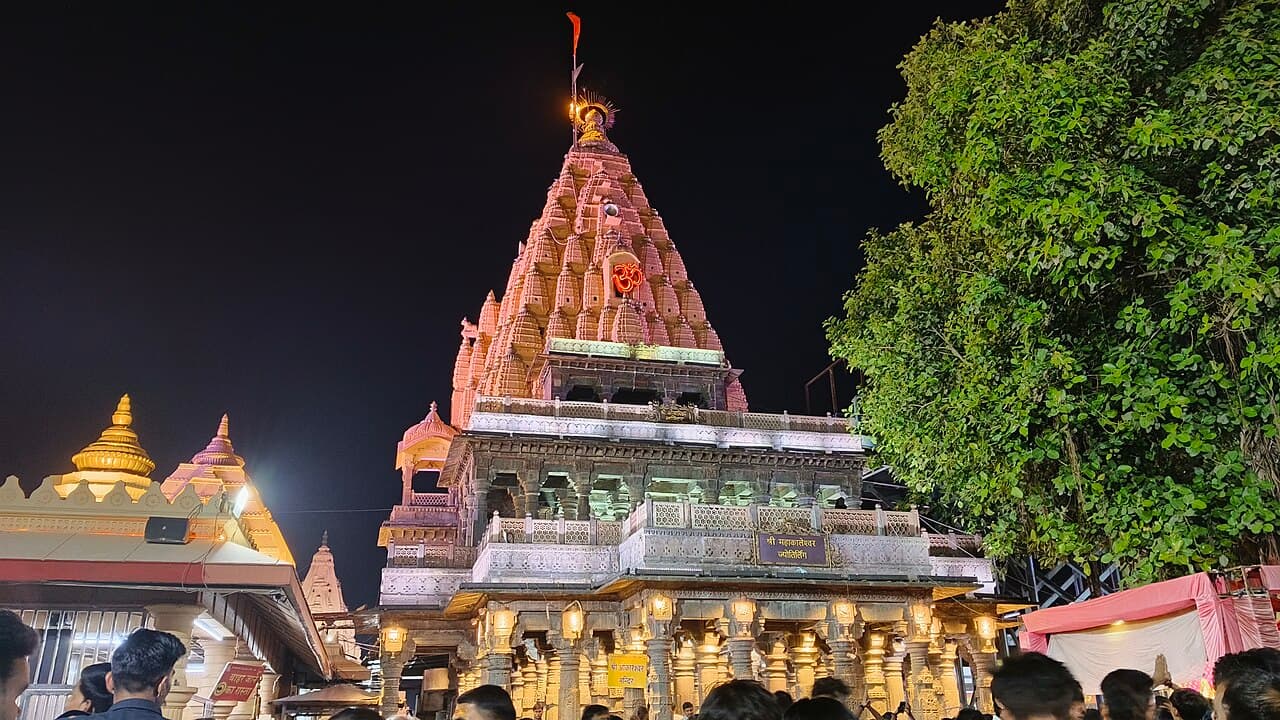
Mahakaleshwar
Ujjain, Madhya Pradesh
Ujjain's south-facing, self-manifested Lord of Time — the only Jyotirlinga woken each dawn with the famous Bhasma Aarti.
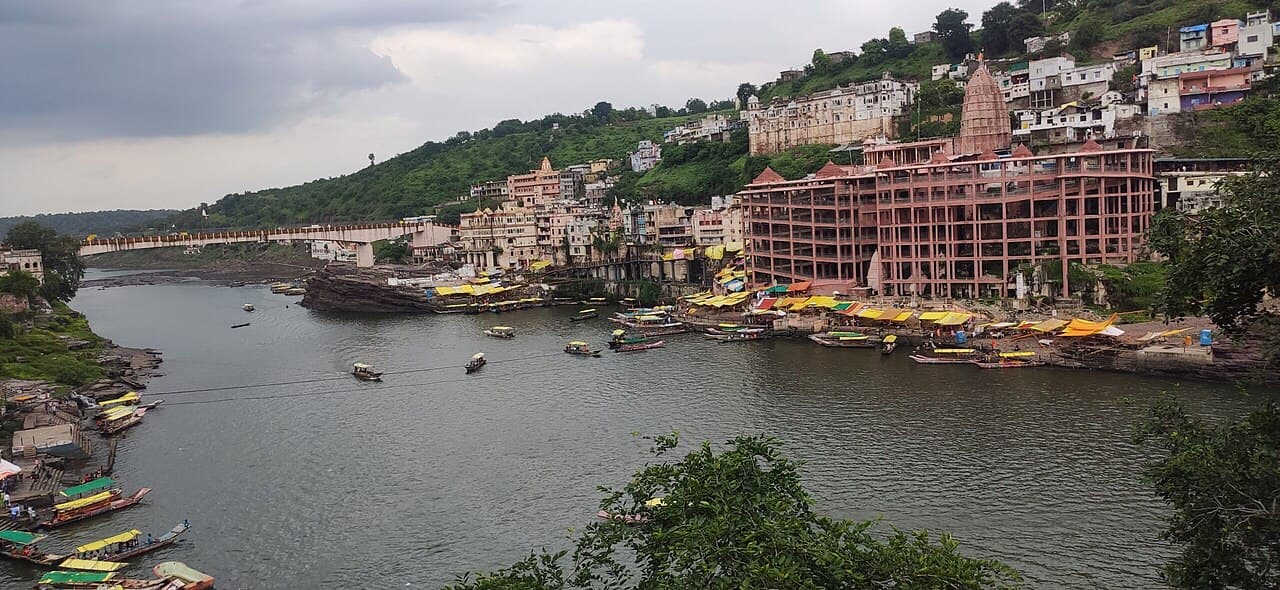
Omkareshwar
Khandwa, Madhya Pradesh
An island in the Narmada shaped like the sacred syllable ॐ, holding the Omkar Jyotirlinga.
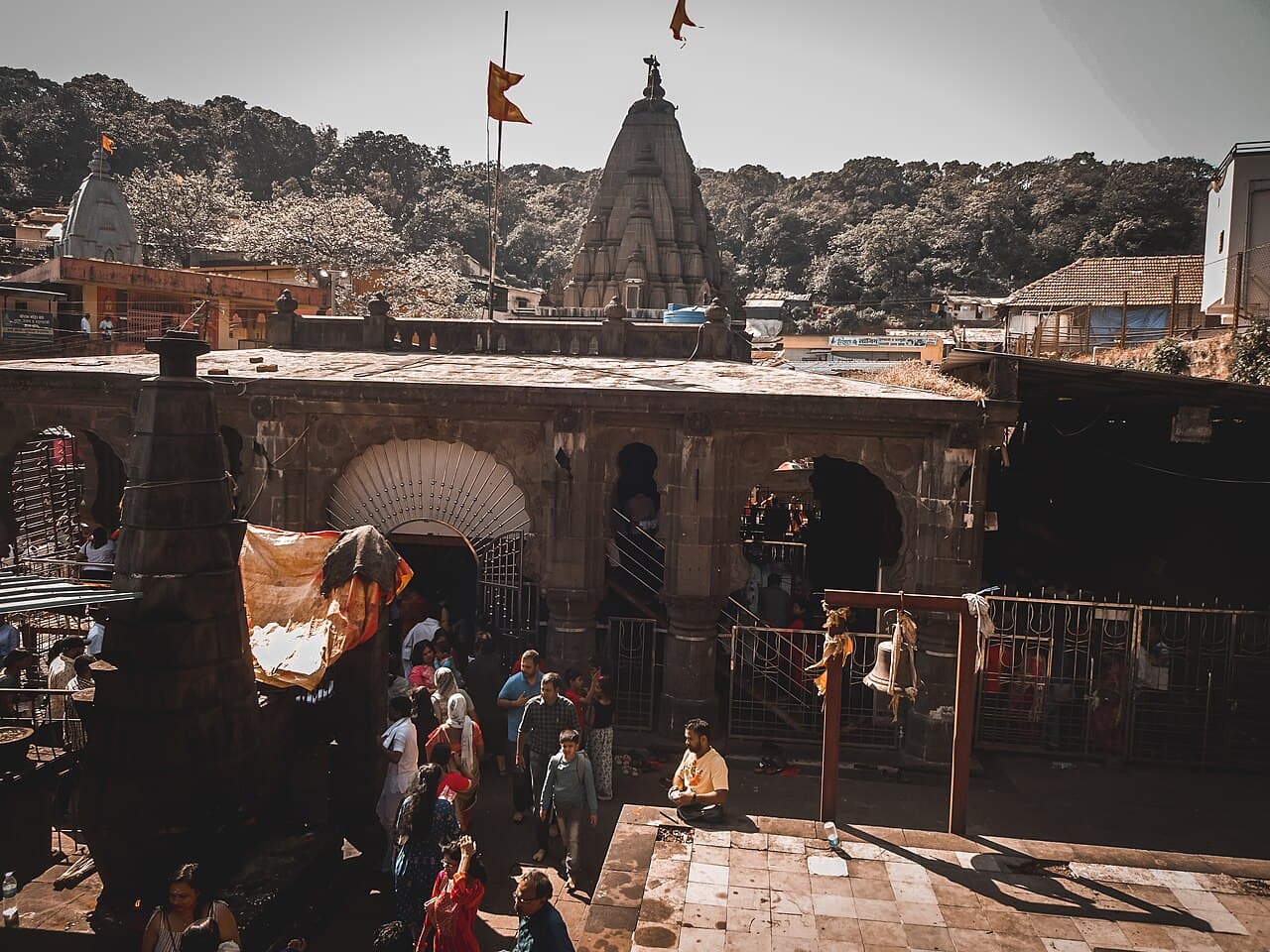
Bhimashankar
Pune district, Maharashtra
A forest Jyotirlinga in the Sahyadris — source of the Bhima river and home of the rare Indian giant squirrel.
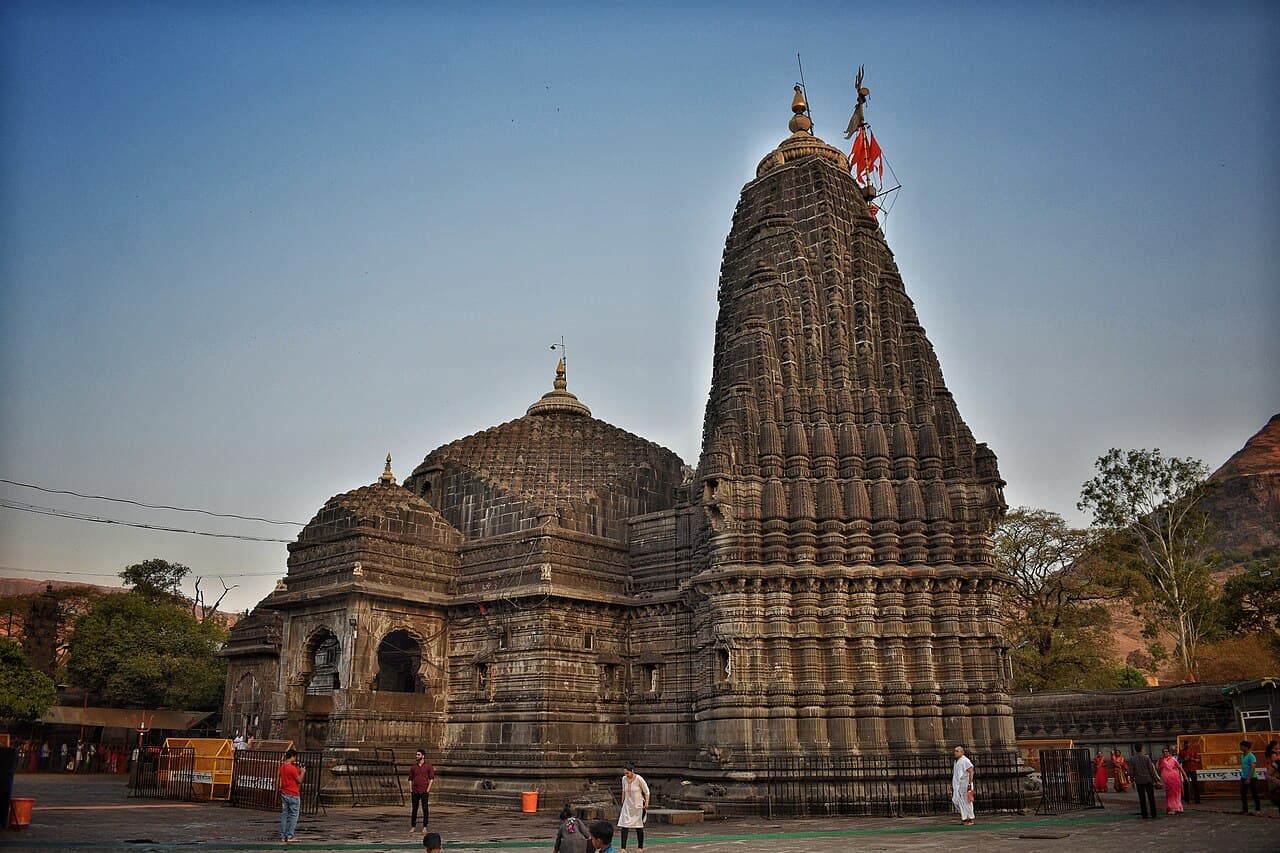
Trimbakeshwar
Nashik, Maharashtra
The three-faced lingam at the source of the Godavari, beneath the Brahmagiri hill near Nashik.
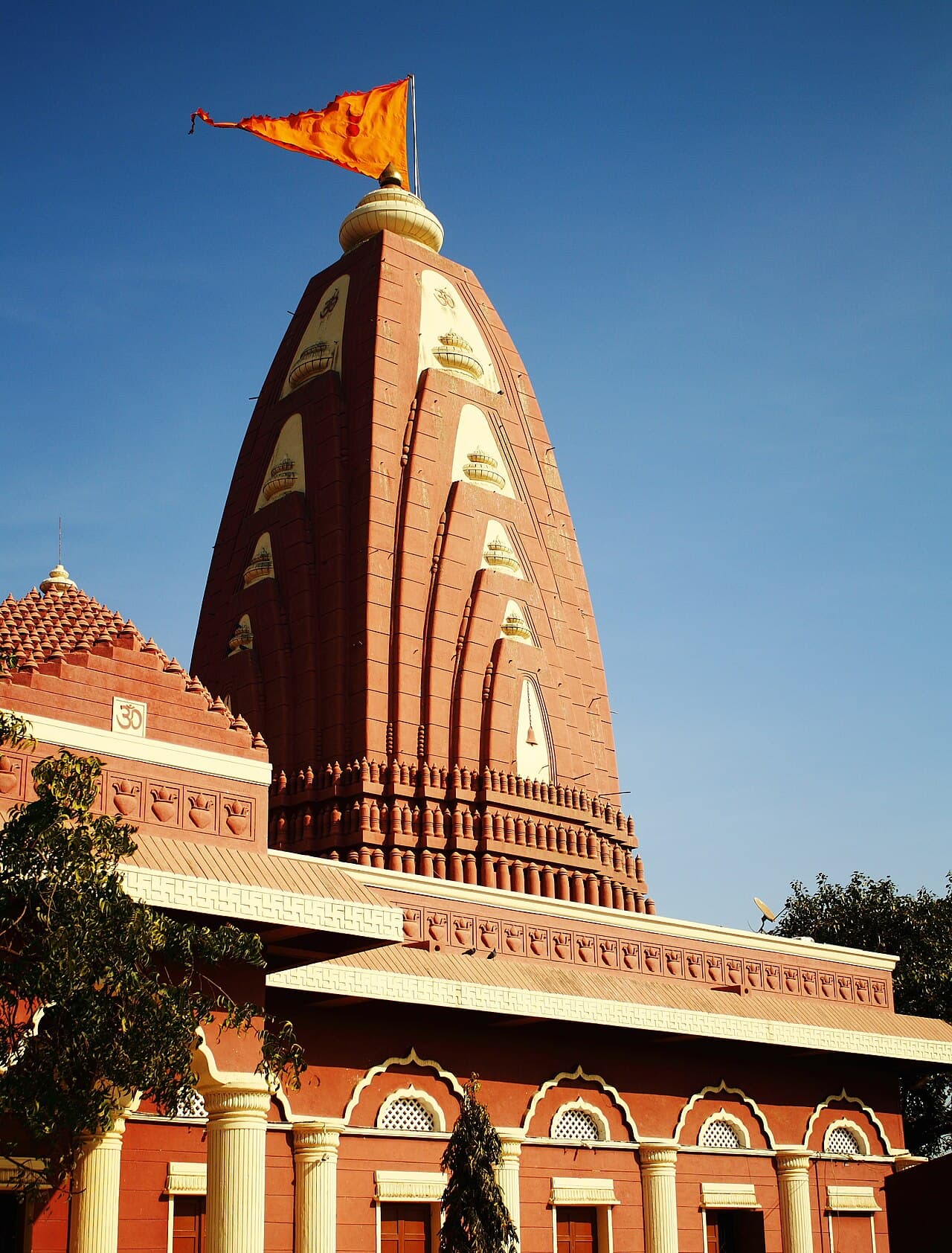
Nageshwar
Dwarka, Gujarat
The serpent-lord of Daruka-vana near Dwarka, guardian against all poison, marked by a towering Shiva statue.

Ramanathaswamy (Rameshwaram)
Rameswaram, Tamil Nadu
Where Rama worshipped Shiva before crossing to Lanka — a Jyotirlinga and Char Dham with India's longest temple corridor.
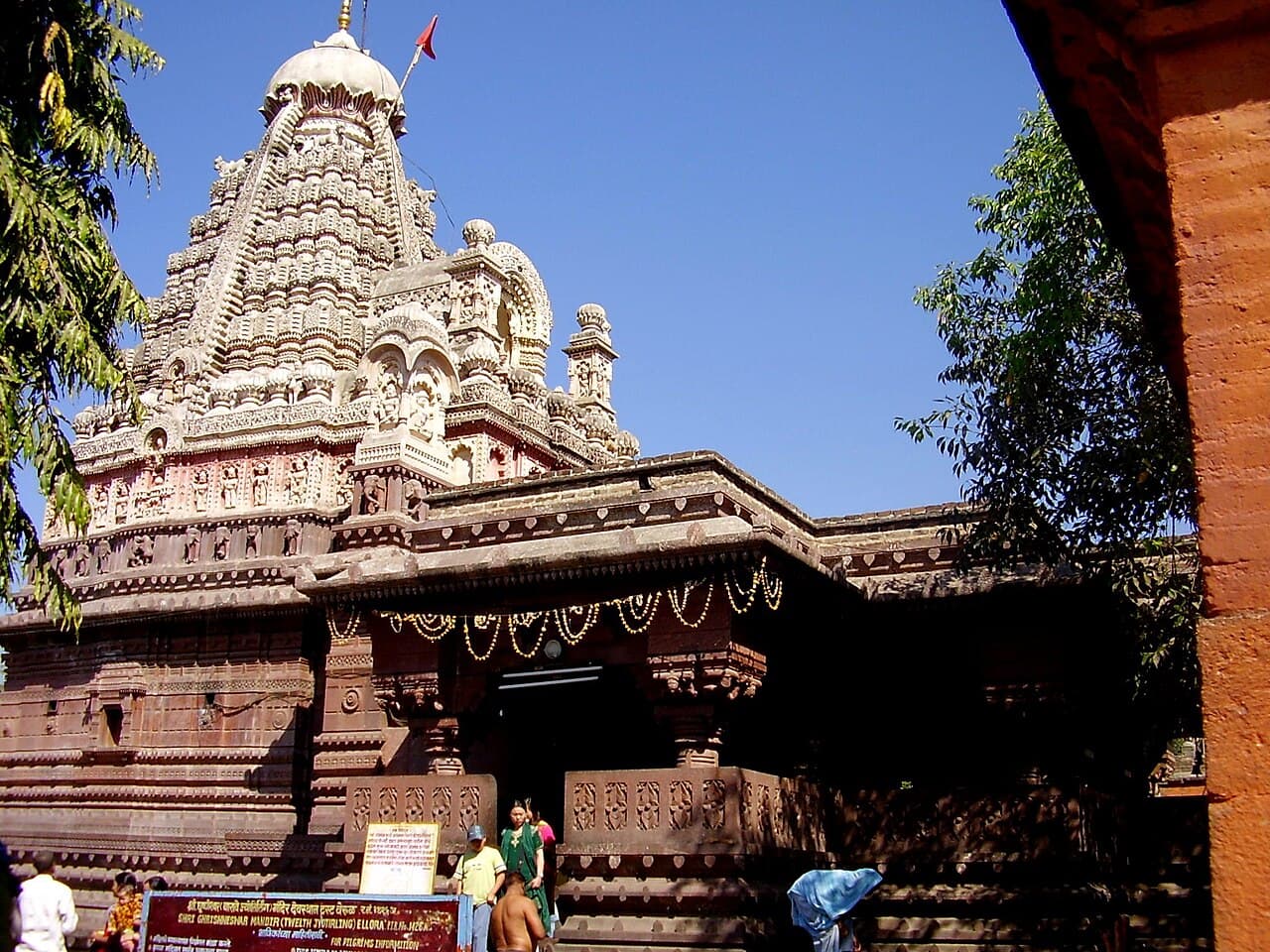
Grishneshwar
Ellora, Aurangabad, Maharashtra
The twelfth and final Jyotirlinga, beside the Ellora caves — a red-stone temple revived by Ahilyabai Holkar.
Frequently Asked Questions
When does Sawan start and end in 2026?+
In North India, which follows the Purnimanta calendar, Shravan 2026 begins on Thursday, 30 July and ends on Thursday, 27 August. In Maharashtra, Gujarat, Karnataka, Telangana, Andhra Pradesh and Tamil Nadu, which follow the Amanta calendar, the month runs from 13 August to 10 September 2026. It is the same lunar month — the two reckonings differ only in whether a month closes on the full moon or the new moon, which offsets them by about a fortnight.
What are the Sawan Somwar vrat dates in 2026?+
By the North Indian (Purnimanta) calendar there are four Sawan Somwars in 2026: Monday 3 August, Monday 10 August, Monday 17 August and Monday 24 August. States that follow the Amanta calendar keep their Somwars a fortnight later — 17, 24 and 31 August and 7 September 2026. Fasting rules and parana timings differ by family and region, so check a panchang for your own city.
Why is Sawan sacred to Lord Shiva?+
During the Samudra Manthan the ocean gave up the halahala poison long before it gave up amrit, and Shiva drank it to save creation; Parvati held his throat so that it went no further, turning it blue and giving him the name Neelkanth. The devas poured Ganga water over him to cool the burning — the act every jalabhishek repeats. Shravan is also the month in which Parvati is said to have completed the tapasya that won Shiva as her husband, and Monday, Shiva's own day, gives the month its four Somwars.
Where does the Kanwar Yatra end?+
For most kanwariyas it ends at the Shiva temple of their own town, or the temple they vowed to, where the Ganga jal they carried is offered on the linga. Famous termini include Pura Mahadeva in Baghpat, Augharnath in Meerut, Kashi Vishwanath in Varanasi and Neelkanth Mahadev near Rishikesh; in the east, pilgrims walk about 105 km barefoot from Sultanganj to Baba Baidyanath Dham in Deoghar. The climax jalabhishek falls on Sawan Shivratri — Tuesday, 11 August 2026.
What is the Shravani Mela at Deoghar?+
The Shravani Mela is the month-long fair along the Sultanganj–Deoghar kanwar route in Bihar and Jharkhand. Pilgrims fill Ganga jal at Sultanganj, where the river turns north past the Ajgaibinath temple, and walk barefoot to offer it at Baba Baidyanath Dham. It draws around five million pilgrims and is described as the world's longest religious fair. Baidyanath is revered both as a Jyotirlinga and as a Shakti sthal, which makes the darshan doubly rare.