Temples in Uttarakhand
3 Temples*
A hand-researched beginning, not a full count — more great temples of this state are added as our research completes.
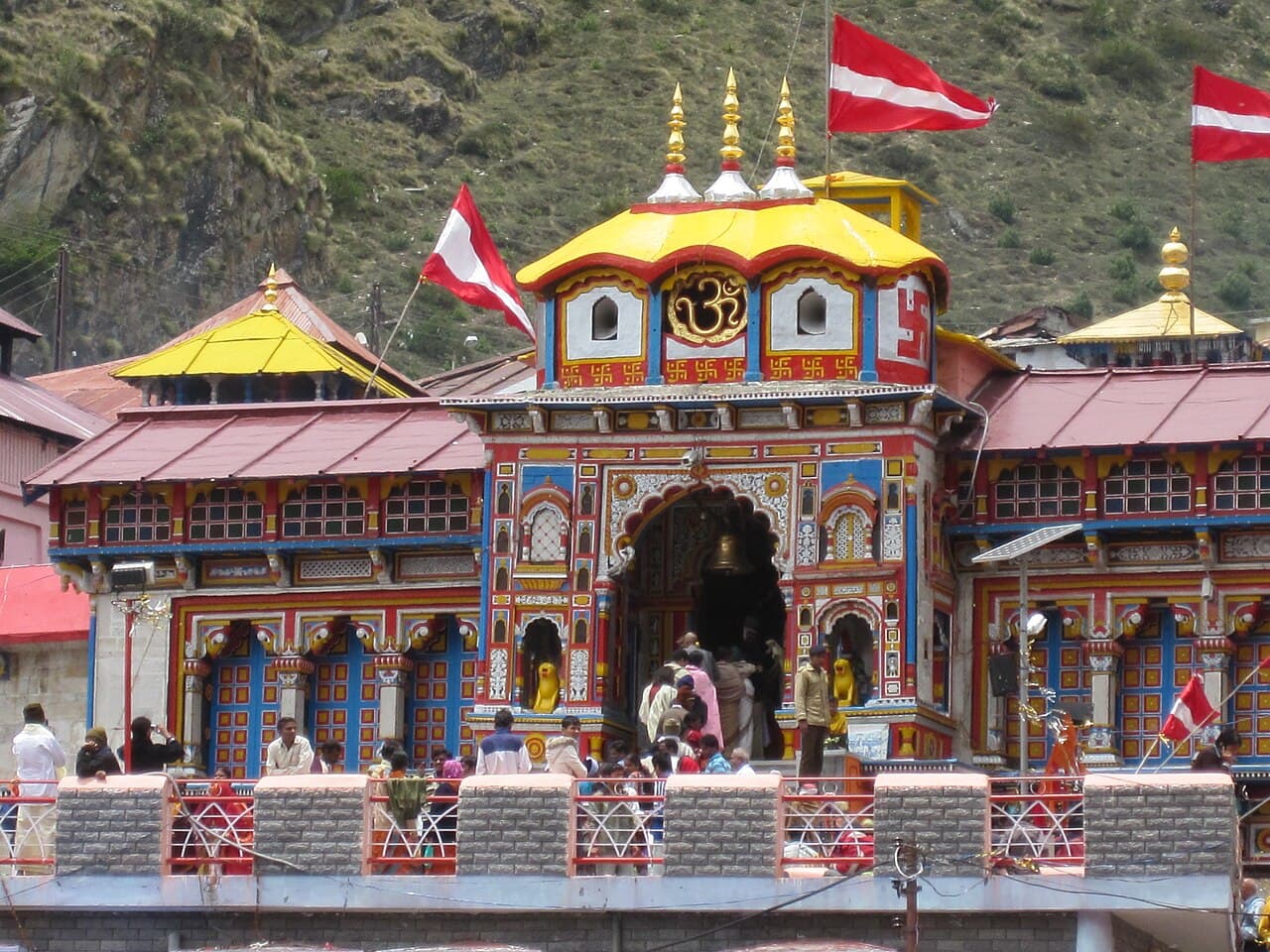
Uttarakhand is called Devbhoomi, the land of the gods, and the name is no flourish: the Ganga and the Yamuna are born of its glaciers, and the Garhwal Himalaya holds shrines that the whole of Bharat travels to reach. Near the head of the Mandakini valley, at about 3,583 metres, stands Kedarnath — the highest of the twelve Jyotirlingas, worshipped not as a carved lingam but as a rough conical rock, the hump of the bull in whose form Shiva withdrew from the Pandavas; its mortarless grey stone has stood through a thousand winters and through the flood that swept away the town around it. Up the Alaknanda, between the peaks named for the sage-twins Nar and Narayan, is Badrinath, where Vishnu sits in meditation as Badrinarayan — the northern seat of the Char Dham that Adi Shankaracharya wove into a single all-India pilgrimage, and one of the 108 Divya Desams besides, with the hot springs of the Tapt Kund steaming below the temple stair.
The Devi keeps these heights too. Above Kaddukhal near Dhanaulti, on a Tehri Garhwal summit of about 2,750 metres, Surkanda Devi looks out over range upon range to the snows; local tradition holds that Sati's head — sir, from which the name is drawn — fell at this place, and the short steep climb to her, now eased by a ropeway, ends at one of the great viewpoints of the Himalaya. The journeys here are bound to the season. Kedarnath and Badrinath open around Akshaya Tritiya in spring and close in Kartik near Bhai Dooj, when the deities are carried down to Ukhimath and Joshimath for the winter, and a little over two hundred kilometres of mountain road joins the two, so they are nearly always taken together. Surkanda Devi sits far lower and much nearer the plains, open the year round, and is easily gathered in at the beginning of a Garhwal journey or at its end.
Jyotirlinga
New to this tradition? Read the overview →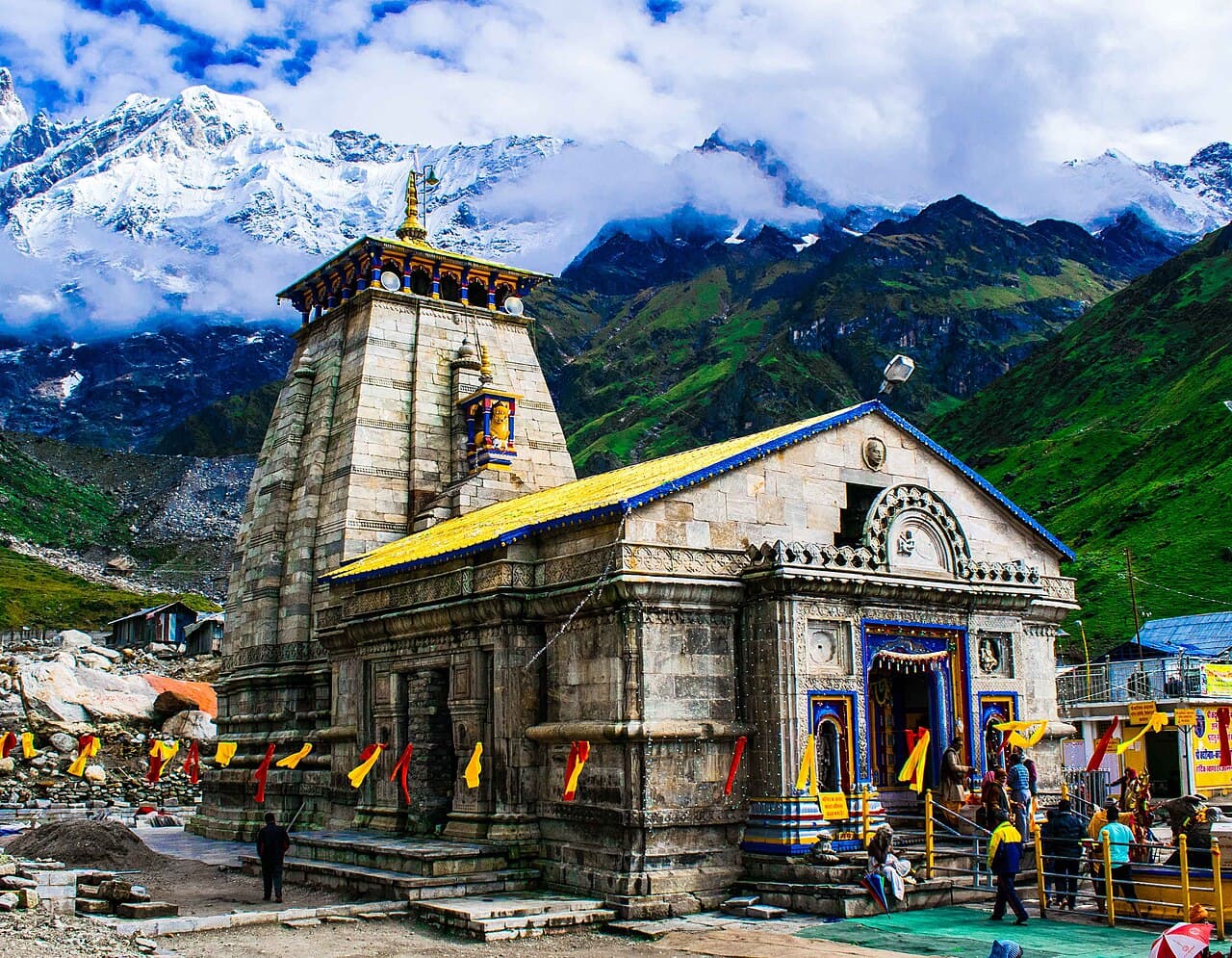

Frequently Asked Questions
How many major temples are listed in Uttarakhand on MereMandir?+
Three — Kedarnath near the head of the Mandakini, Badrinath up the Alaknanda, and Surkanda Devi on her summit above Kaddukhal in Tehri Garhwal. Between them they cover three of the traditions on MereMandir: the highest of the twelve Jyotirlingas, the northern seat of the Char Dham — which is also one of the 108 Divya Desams — and a Devi shrine of the Garhwal hills.
Which Jyotirlinga is in Uttarakhand?+
One — Kedarnath, at about 3,583 metres the highest of the twelve and, for many, the hardest won. Shiva is worshipped there as a rough conical rock rather than a carved lingam, in a mortarless stone temple that tradition traces to the Pandavas and whose revival is credited to Adi Shankaracharya. Kedarnath is also the chief of the Panch Kedar and one of the four seats of Uttarakhand's Chota Char Dham.
Can Kedarnath and Badrinath be visited on the same trip?+
They nearly always are — both are Chota Char Dham shrines, joined by a little over two hundred kilometres of mountain road through Rudraprayag, Karnaprayag and Joshimath. From Rishikesh it is about 220 kilometres to Gaurikund, where the sixteen-kilometre climb to Kedarnath begins, and about 300 to Badrinath; five or six days is the usual reckoning for the pair. Surkanda Devi, about seventy kilometres from Dehradun and open all year, is easily added at the start of the journey or at its end.
What is the best season to visit temples in Uttarakhand?+
May and June, and again September and October. Kedarnath and Badrinath keep a season of roughly six months — they open around Akshaya Tritiya in spring and close in Kartik near Bhai Dooj, after which the deities are worshipped at Ukhimath and Joshimath through the winter — and the monsoon weeks of July and August bring landslides to the Garhwal roads. Surkanda Devi is open the year round; her great gathering is the Ganga Dussehra mela, though snow can close the last climb in deep winter.