Diwali is the victory of light over darkness — the homecoming of Shri Ram after fourteen years of vanavas, the rakshasa Ravan defeated. It is the festival of lamps, of light and of joy, the dawn of a righteous era, celebrated across the whole of Bharat bhukhand with a joy no other night of the year knows. On the new-moon night of Kartik the Lord returned to Ayodhya with Mata Sita and Lakshman, and the city — unwilling to receive its Lord in the dark — set rows of earthen lamps along every street, wall and ghat of the Sarayu. Deepavali is that word exactly: a row of lights. To the same night belong two more rememberings. At the churning of the ocean, Goddess Lakshmi rose from the waters on Kartik Amavasya, and it is on this night that she is believed to walk from house to house, entering those that are clean, lit and awake. And in the south the day before belongs to Shri Krishna, who freed the sixteen thousand captives of Narakasura — Naraka Chaturdashi is kept there as Deepavali proper, with an oil bath before dawn. Three stories, one meaning: the darkest night of the year is met with light that people themselves have to kindle.
The festival is a sequence, not a single day, and in 2026 it runs from Friday, 6 November to Wednesday, 11 November. Dhanteras opens it on the 6th, the day of Dhanvantari, when metal is brought into the house and the Yama Deepam is set facing south. Kali Chaudas — Chhoti Diwali — follows on Saturday the 7th, with the Narak Chaturdashi abhyang snan at first light on Sunday. Sunday, 8 November is Diwali itself, the Kartik Amavasya, when Lakshmi and Ganesha are worshipped together in the Pradosh Kaal after sunset. Govardhan Puja comes on Tuesday, 10 November — not Monday, because the Amavasya tithi runs until past noon on the 9th — and Bhai Dooj closes the sequence on Wednesday, 11 November. Maharashtra adds Govatsa Dwadashi on Thursday the 5th. The day-by-day muhurats are set out in the panel above.
In practice the weeks before are as much of the festival as the days themselves. Houses are emptied, scrubbed and whitewashed, because Goddess Lakshmi is said to enter only the house that is ready to receive her. Rangoli is drawn at the threshold and small footprints traced inward from the door. Diyas are set on parapets and window sills and floated on water; new clothes are worn, sweets exchanged, and the family gathers for the puja at dusk with the chowki laid, the kalash filled, the account books consecrated in the chopda pujan of traders, and the aarti sung to Lakshmi and Ganesha together — prosperity beside wisdom, since one without the other has never been the blessing anyone wanted. On Govardhan Puja the Annakut is raised, a mountain of cooked food offered before Giriraj, and Gujarat greets its new year, Bestu Varas, on the same morning. Two days later, on Bhai Dooj, sisters apply the tilak and brothers come to eat at their sisters' houses, as Yamuna ji once received Yama.
For darshan, Ayodhya is where the festival began and where it is still kept most spectacularly. Deepotsav on the eve of Diwali lines Ram ki Paidi and the ghats of the Sarayu with lamps beyond counting — the 2025 Deepotsav lit 26,17,215 of them across fifty-six ghats for a Guinness World Record, with a second record the same evening for 2,128 Vedacharyas performing the maha-aarti on the bank — and the city welcomes Shri Ram home exactly as it once did. In Kashi the rarest darshan of the year opens now: the golden Annapurna, kept upstairs and shown only across the days from Dhanteras to Annakut, when the queue runs down the gali and the goddess's khazana of coins is handed back to devotees with lava to keep in the kitchen. In Braj the Annakut belongs to Giriraj himself — Banke Bihari in Vrindavan and Dwarkadhish in Mathura hold their own, and the Govardhan parikrama fills. Kolhapur's Mahalakshmi and Tirumala's Venkateswara, Lakshmi's own homes, keep the night with lamps and abhishek. Wherever you go, expect crowds at their annual peak and confirm timings before you travel.
The five days of Diwali 2026, day by day
Diwali is not one day but a sequence, and in 2026 the sequence runs from Friday, 6 November to Wednesday, 11 November. The lunar tithis do not divide evenly into solar days, which is why the festival's length shifts a little each year — this year Amavasya holds until past noon on 9 November, so Govardhan Puja moves to the 10th and Bhai Dooj to the 11th, and the ninth carries no observance of its own. All timings below are Drik Panchang's for New Delhi; muhurats move with your city, so check a panchang for your own place before you sit for puja.
Maharashtra begins a day earlier still, with Govatsa Dwadashi — Vasu Baras — on Thursday, 5 November, when the cow and her calf are honoured before the lamps are lit.
Day 1 — Dhanteras, Friday 6 November
Dhantrayodashi, the day of Dhanvantari, who rose from the churning of the ocean bearing the pot of amrit. Puja muhurat 6:02 PM to 7:57 PM within a Pradosh Kaal of 5:33 PM to 8:09 PM. Metal is brought home, the threshold is drawn with rangoli, and the Yama Deepam — a lamp set facing south at dusk — is lit the same evening.
Day 2 — Kali Chaudas, Saturday 7 November
Chhoti Diwali. Chaturdashi holds through the night of the 7th, so Kali Chaudas — the night worship of Mahakali — is kept then; the Narak Chaturdashi Abhyang Snan, the pre-dawn oil bath that recalls Shri Krishna's slaying of Narakasura, follows at first light on Sunday the 8th, from 5:41 AM to 6:38 AM.
Day 3 — Lakshmi Puja (Diwali), Sunday 8 November
The Kartik Amavasya, the darkest night of the year, answered with lamps in every window. Lakshmi Puja muhurat 5:54 PM to 7:50 PM — the Vrishabha lagna inside the Pradosh Kaal of 5:31 PM to 8:09 PM, a fixed sign so that the Mother, once seated, stays. Ganesha is worshipped beside her, and the new ledgers are opened.
Day 4 — Govardhan Puja, Tuesday 10 November
Annakut, the mountain of food. Muhurat 6:40 AM to 8:50 AM. A hill of cow dung and flowers is raised in the courtyard for Giriraj Govardhan, the hill Shri Krishna lifted on one finger to shelter Braj from the rain. Gujarat keeps the same day as Bestu Varas, its new year. It falls on the 10th, not the 9th — see the FAQ below.
Day 5 — Bhai Dooj, Wednesday 11 November
Yama Dwitiya, when Yamuna ji received her brother Yama at her home and he granted that whoever is honoured by a sister on this day need not fear him. Sisters apply the tilak and the aparahna window for it in 2026 runs roughly 1:10 PM to 3:20 PM at New Delhi.
The day before — Vasu Baras, Thursday 5 November
Maharashtra opens its Diwali a day early with Govatsa Dwadashi, when the cow and her calf are bathed, garlanded and fed before any lamp is lit — gratitude to the giver of milk placed ahead of the festival of wealth.
Where to take darshan

Shri Ram Janmabhoomi (Ram Lalla)
Ayodhya, Uttar Pradesh
The grand new temple over Rama's birthplace on the Sarayu — consecrated in January 2024, where the Lord is worshipped as the child Ram Lalla.

Hanuman Garhi, Ayodhya
Ayodhya, Uttar Pradesh
The fort-temple on its mound in the heart of Ayodhya, where Pavanputra Hanuman keeps watch over Ramkot — seventy-six steps up, and by long custom the first darshan of the city, taken before Ram Lalla's.

Annapurna Devi Mandir, Kashi
Varanasi, Uttar Pradesh
The goddess who feeds Kashi — Annapurna with her ladle and her bowl of rice, a few steps from Vishwanath in the old lanes, where Shiva himself once came holding a beggar's bowl.
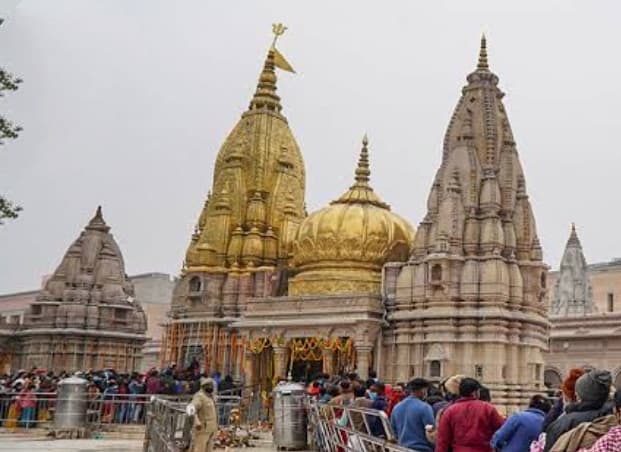
Kashi Vishwanath
Varanasi, Uttar Pradesh
The golden-spired Lord of Kashi on the Ganga at Varanasi — among the most revered of all Shiva shrines.
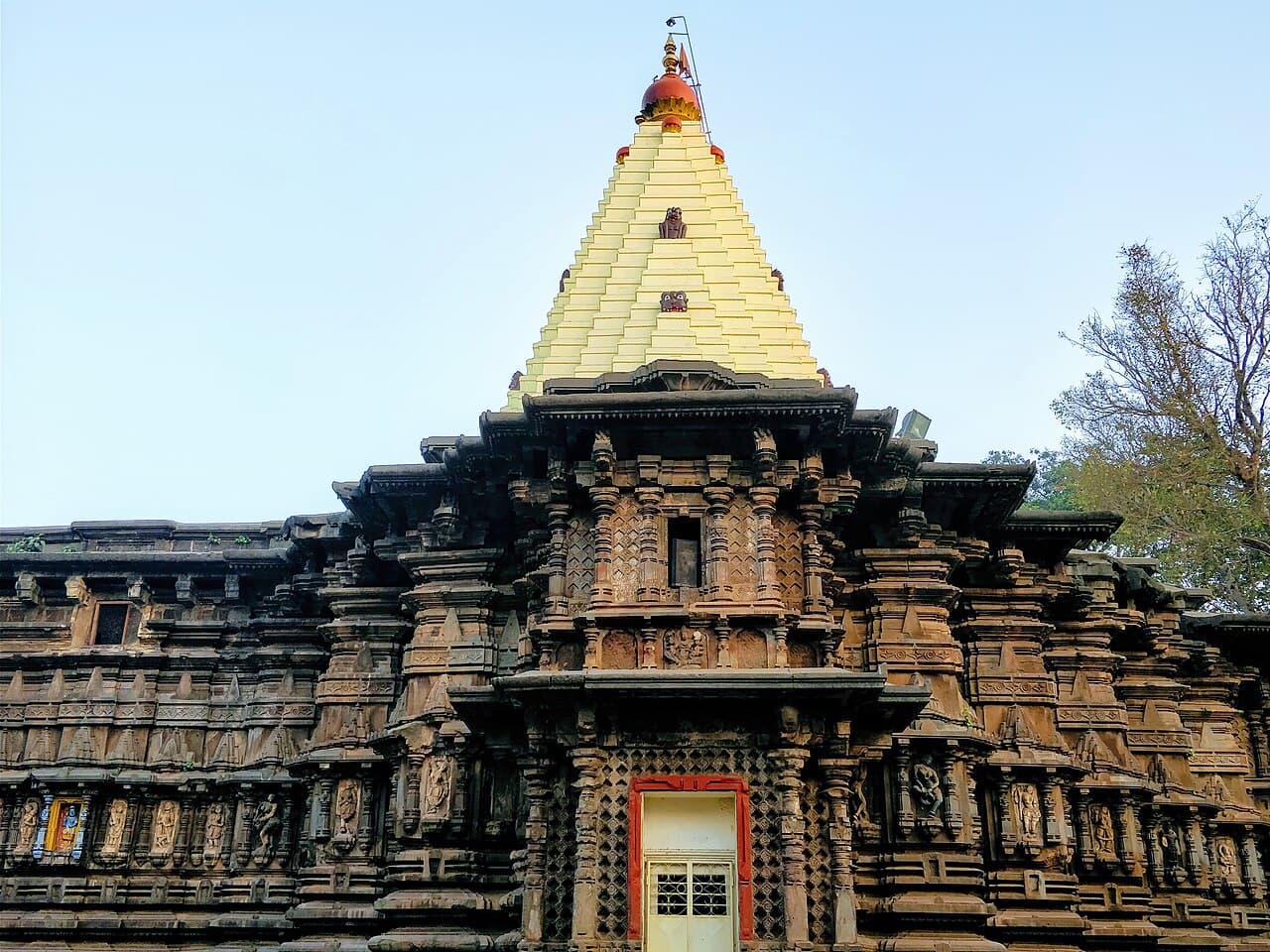
Mahalakshmi, Kolhapur
Kolhapur, Maharashtra
Ambabai of Kolhapur — the living Devi of Karvir, whom the setting sun itself comes to worship at the Kiranotsav.
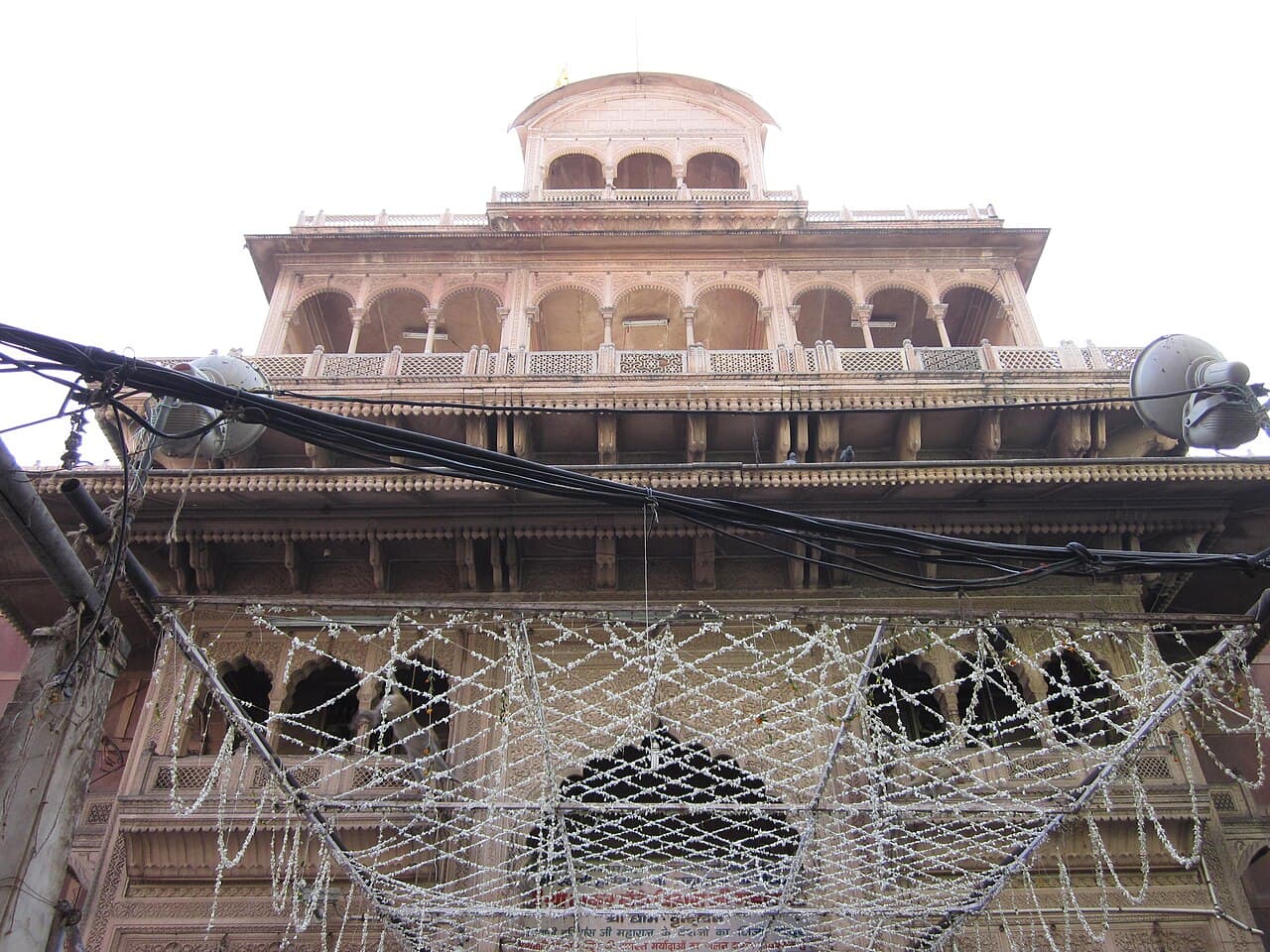
Shri Banke Bihari Mandir, Vrindavan
Vrindavan, Mathura, Uttar Pradesh
Krishna as Banke Bihari, revealed to Swami Haridas in the grove of Nidhivan — where the curtain closes every few minutes, no bell is ever rung, and the Mangala aarti comes once a year.
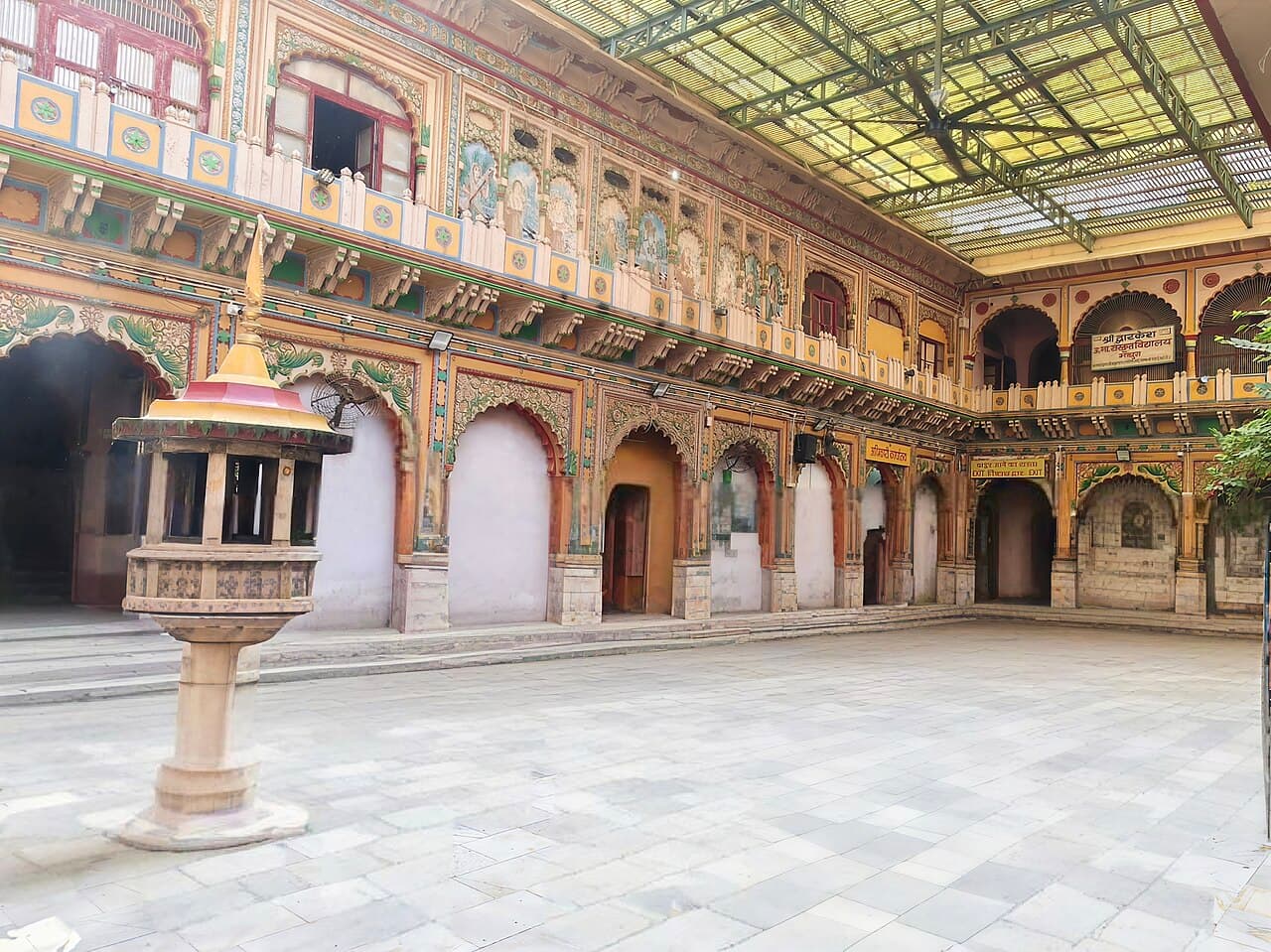
Shri Dwarkadhish, Mathura
Mathura, Uttar Pradesh
Krishna kept as a king in a merchant's mansion — the Pushtimarg haveli above Mathura's Vishram Ghat, where the doors open eight times a day and not once between.

Venkateswara Swamy, Tirumala
Tirumala, Tirupati, Andhra Pradesh
Vishnu as Venkateswara on the seventh of the Seshachalam hills — the Kali Yuga Vaikuntha, and the most visited shrine on earth.
Frequently Asked Questions
When is Diwali in 2026?+
Diwali — Lakshmi Puja — falls on Sunday, 8 November 2026, the Kartik Amavasya. For New Delhi, Drik Panchang gives the Lakshmi Puja muhurat as 5:54 PM to 7:50 PM, inside a Pradosh Kaal of 5:31 PM to 8:09 PM. The five-day festivity runs from Dhanteras on Friday, 6 November to Bhai Dooj on Wednesday, 11 November. Muhurat timings shift with your city, so check a panchang for your own place.
What are the five days of Diwali 2026?+
Dhanteras on Friday, 6 November (puja 6:02–7:57 PM, with the Yama Deepam the same evening); Kali Chaudas on Saturday, 7 November, with the Narak Chaturdashi abhyang snan before dawn on Sunday, 8 November (5:41–6:38 AM); Lakshmi Puja, Diwali itself, on Sunday, 8 November (5:54–7:50 PM); Govardhan Puja and Annakut on Tuesday, 10 November (6:40–8:50 AM); and Bhai Dooj on Wednesday, 11 November. Maharashtra begins a day earlier with Govatsa Dwadashi (Vasu Baras) on Thursday, 5 November. Timings are Drik Panchang's for New Delhi.
Why is Govardhan Puja on 10 November and not 9 November in 2026?+
Because Govardhan Puja needs the Pratipada tithi during its morning window, and in 2026 the Amavasya tithi runs until 12:31 PM on Monday, 9 November — Pratipada begins only then and lasts until 2:00 PM on Tuesday, 10 November. So the puja falls on the 10th, and Bhai Dooj on Wednesday the 11th. Some calendars still print 9 and 10 November; Drik Panchang and Panchang AstroSage both give 10 and 11 November, which is the reckoning followed here. Follow your own family's panchang if it differs.
Why is Diwali celebrated?+
Chiefly because Shri Ram returned to Ayodhya with Mata Sita and Lakshman on the Kartik new-moon night, after fourteen years of exile and the war in Lanka, and the city lit rows of lamps to receive him — deepavali means exactly that, a row of lights. The same night is remembered as the one on which Goddess Lakshmi rose from the churning of the ocean, and she is believed to visit homes that are clean, lit and awake. In the south, the day before is kept for Shri Krishna's freeing of the captives of Narakasura.
Why must Lakshmi Puja be done after sunset?+
The puja is done in the Pradosh Kaal, the span that begins at sunset, and within it the preferred window is the one in which a sthir (fixed) lagna prevails — usually Vrishabha, which is why the 2026 muhurat at New Delhi is 5:54 PM to 7:50 PM. A fixed sign is chosen so that the Mother, once welcomed and seated, remains in the house rather than passing on. The lamps, the cleaning and the rangoli are all part of the same invitation.
Where is Diwali celebrated most grandly, and which temples are best for darshan?+
Ayodhya, above all: Deepotsav on the eve of Diwali fills Ram ki Paidi and the Sarayu ghats with lamps — 26,17,215 across fifty-six ghats in 2025, a Guinness World Record — and the Ram Janmabhoomi temple and Hanuman Garhi are the darshan. In Kashi the golden Annapurna's darbar opens only from Dhanteras to Annakut, beside Kashi Vishwanath. Braj keeps the Annakut for Giriraj Govardhan, with Banke Bihari at Vrindavan and Dwarkadhish at Mathura; Mahalakshmi at Kolhapur and Venkateswara at Tirumala are Lakshmi's own homes. Crowds peak — confirm timings before travelling.