
Temples in Bihar
3 Temples*
A hand-researched beginning, not a full count — more great temples of this state are added as our research completes.
Bihar is the Ganga's own land, and its capital stands on the river's south bank. Patna's great shrine is not on a hill or deep in forest but in the open square outside Patna Junction, where the trains set a traveller down at the temple door: Mahavir Mandir, Hanuman's darbar, which the city calls the Manokamna Mandir — none who comes here, it is held, goes back empty-handed. Two murtis of Hanuman stand together in a single garbhagriha, named by the trust from the Gita's promise: Paritranaya sadhunam, for the protection of the good, and Vinashaya cha dushkritam, for the undoing of what evil-doers do. A judgment of the Patna High Court recorded in 1948 that the shrine had existed since time immemorial and declared it public; the trust and Bihar Tourism trace its founding to Swami Balanand of the Ramanandi sampradaya about 1730, and the marble temple standing today was raised in the 1980s. What makes it Bihar's own, though, is the seva. The naivedyam laddoo — gram flour cooked in ghee with cashew, raisin, cardamom and Pampore saffron — together with the donation boxes keeps the Mahavir hospitals, where the poor are treated at a token fee or none, and feeds the Daridranarayan Bhoj twice each day; at Ayodhya the same trust's Ram Rasoi has fed Ram Lalla's pilgrims free since the Vivah Panchami of 2019, on Govind Bhog rice grown in Kaimur below Mundeshwari's own hill. Ram Navami is the greatest day, when the line leaves the station square and runs for kilometres into the city; Hanuman Jayanti here falls on Kartik Krishna Chaturdashi, as the Ramanandi tradition reckons it.
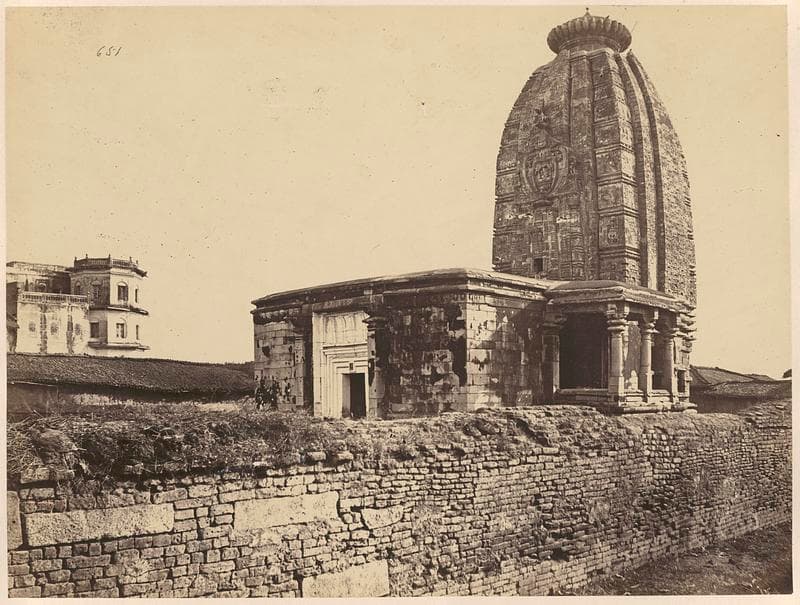
Bihar is also Chhath's own bhoomi, and the state's tourism department names the thing that sets it apart from every other festival: this is the only occasion on which the setting sun is worshipped along with the rising sun. It runs four days — a dip in the holy river and Ganga water carried home; then Kharna, the day-long fast broken in the late evening with kheer and fruit; then the Sanjhiya Arghya, when the banks fill and the offering is made to the setting sun to the folk songs of Bihar, with the Kosi at night, its canopy of sugarcane sticks holding earthen lamps and baskets of prasad; and at last, before sunrise on the fourth day, the arghya to the rising sun. Its temple is Deo, about ten kilometres south-east of Aurangabad town, where the Lord Sun is worshipped at sunrise and at sunset alike and lakhs come for the Chhath mela to bathe in the Surya Kund and give arghya. The district gives the temple to the fifteenth century and to Bhairavendra Singh, a Chandravanshi king of Umga; it rises about a hundred feet, its tower crowned like an umbrella, and the custom of worshipping the Sun there and bathing in its Brahma Kund is carried back to the era of King Ayel. Westward, on a rocky hilltop of the Kaimur range some six hundred feet above the plain, stands the oldest stone of all. Mundeshwari has been protected by the Archaeological Survey since 1915 and is carried on its Patna Circle register as an octagonal sanctum entered by four ornate doorways, the chaturmukha Shiva linga holding its centre and the Devi keeping her eastern niche — Shaiva and Shakta worship in one small room, neither displacing the other. Bihar calls it the oldest functional temple of the world, for worship here is held never to have stopped, and its bali is bloodless: the goat is touched to the Devi, laid at her feet, and led away alive. Patna is the gateway — Jay Prakash Narayan International Airport lies about seven kilometres west of the city, and Mahavir Mandir is a few hundred metres from Patna Junction. Deo is about a hundred and sixty kilometres south-west by road on NH-139, the old NH-98, through Arwal and Daudnagar, with Anugrah Narayan Road the nearest railhead some twenty kilometres off. Mundeshwari lies some two hundred kilometres west of Patna by NH-30 through Arrah — about fifteen kilometres from Bhabua and thirty by road from Bhabua Road station at Mohania — and Varanasi's airport, a little over a hundred kilometres away, is nearer to it than Patna's.


Frequently Asked Questions
How many major temples are listed in Bihar on MereMandir?+
Three — Mahavir Mandir in the square outside Patna Junction, Deo Surya Mandir in Aurangabad district, and Mundeshwari on her hilltop in Kaimur. Between them they cover three of the traditions on MereMandir: Hanuman's darbar, where the Rambhakta is worshipped as Mahavir and Sankat Mochan and the shrine's earnings keep hospitals and a daily bhoj; a Devata seat, where Surya — the visible god — is worshipped at sunrise and at sunset alike and Chhath gathers lakhs; and a Devi shrine on the Kaimur hills whose worship is held never to have stopped, protected by the Archaeological Survey since 1915.
Why is Chhath so closely tied to Bihar, and where is it kept?+
Because it is Bihar's own, and because it is unlike every other festival: Bihar Tourism states that this is the only occasion on which the setting sun is worshipped along with the rising sun. Kept over four days from the sixth of the bright fortnight of Kartik — Surya Shashti — it begins with a dip in the holy river, passes through Kharna, the day-long fast broken at night with kheer and fruit, then the Sanjhiya Arghya to the setting sun and the Kosi with its sugarcane canopy and earthen lamps, and closes with arghya to the rising sun before dawn. In Bihar it is kept wherever there is water — the Ganga ghats at Patna above all — and its temple is Deo in Aurangabad district, where the Chhath mela draws lakhs to the Surya Kund.
Can Bihar's temples be covered in one trip?+
Yes, with Patna as the base, and it is best planned as two runs out from the city. Mahavir Mandir needs no journey at all: it stands a few hundred metres from Patna Junction, and Jay Prakash Narayan International Airport is about seven kilometres west. Deo lies about a hundred and sixty kilometres south-west by NH-139, the old NH-98, through Arwal and Daudnagar, roughly ten kilometres beyond Aurangabad town, with Anugrah Narayan Road the nearest railhead some twenty kilometres from the temple. Mundeshwari lies some two hundred kilometres west by NH-30 through Arrah — about fifteen kilometres from Bhabua, thirty by road from Bhabua Road station at Mohania — and pilgrims coming from Kashi often take it on the way, Varanasi's airport being little over a hundred kilometres off. Three or four unhurried days cover all three.
What is the best season to visit temples in Bihar?+
September to April, as Bihar Tourism gives it for both Deo and Mundeshwari, with October to March the kindest of those months. The great days follow the tithis: Chhath at Deo on Kartik Shukla Shashthi (October–November), when the Surya Kund and the ghats fill; Ram Navami at Patna's Mahavir Mandir, its greatest gathering, with Hanuman Jayanti kept there on Kartik Krishna Chaturdashi in the Ramanandi reckoning and Tuesdays and Saturdays filling the station square every week; and at Mundeshwari the Navratras of Chaitra and Sharad, when a fair gathers below the hill, with Maha Shivaratri for the chaturmukha linga and Ram Navami and Vasant Panchami drawing their own crowds. Summers on the Gangetic plain are hot, so early-morning darshan is best then.